 EN
EN
 AR
AR
 BG
BG
 HR
HR
 CS
CS
 DA
DA
 NL
NL
 FI
FI
 FR
FR
 DE
DE
 EL
EL
 IT
IT
 JA
JA
 KO
KO
 NO
NO
 PL
PL
 PT
PT
 RO
RO
 RU
RU
 ES
ES
 SV
SV
 TL
TL
 IW
IW
 ID
ID
 LV
LV
 LT
LT
 SR
SR
 SK
SK
 SL
SL
 VI
VI
 HU
HU
 TH
TH
 TR
TR
 FA
FA
 GA
GA
 CY
CY



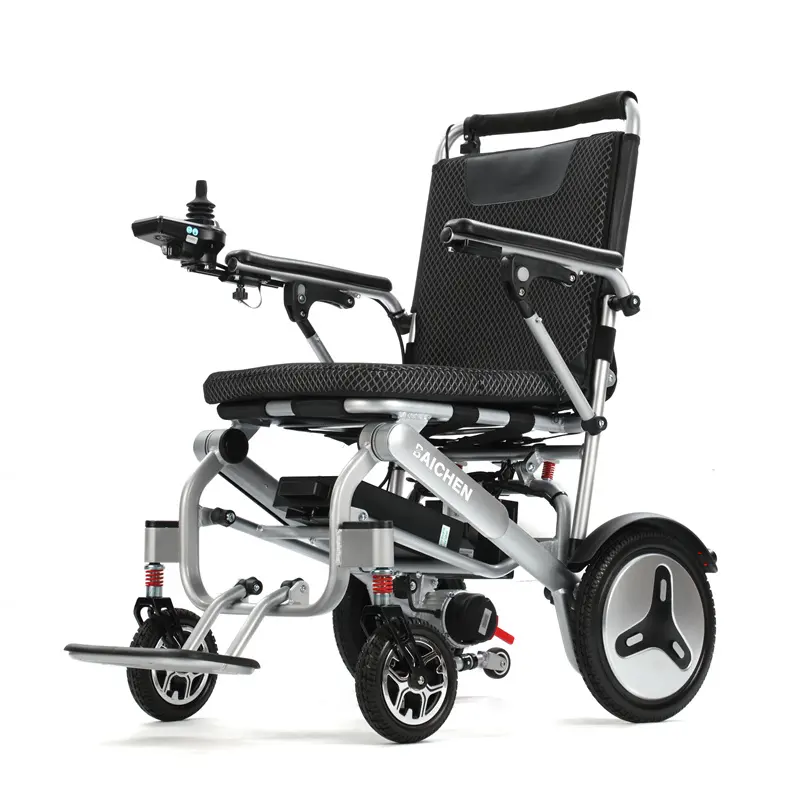
Az elektromos kerekesszékek felhasználói számára minden kilogramm számít. Egy nehéz szék nem könnyen szállítható, tárolható és kezelhető. Ugyanakkor a súlycsökkentést úgy kell elérni, hogy közben ne szenvedjen kárt a biztonság vagy az erősség – egy deformált vagy repedt váz semmire sem jó. Az alumíniumból készült elektromos kerekesszék megoldja ezt a dilemmát. A Ningbo Baichen Medical Devices Co., Ltd. több ezer alumíniumból készült elektromos kerekesszéket gyártott nagytechnológiás mérnöki megoldásokkal. Az alábbiakban négy módszert sorolunk fel, amelyekkel az alumínium csökkenti a súlyt, miközben megtartja az erősségét.
Nagy szilárdságú alumíniumötvözetek (nem tiszta alumínium)
A legelterjedtebb tévhit az alumíniummal kapcsolatban az, hogy gyenge anyag. Gyakorlatilag az űrkutatási minőségű alumíniumötvözetek rendkívül erősek a súlyukhoz képest. Az alumínium puha anyag, de magnéziummal, szilíciummal vagy cinkkel ötvözve olyan anyagokat alkot, amelyek a szilárdság tekintetében versenyképesek a fémmel.
Az általunk gyártott alumíniumból készült elektromos tolószékek hőkezelt ötvözetből készülnek, amelynek folyáshatára körülbelül 240–260 MPa – azaz kb. a lágyacél folyáshatárának 60–70 %-a, ugyanakkor sűrűsége csak az acél harmada. Ez azt jelenti, hogy egy alumínium keret ugyanolyan merevségűvé tehető, mint egy acélkeret, ha a falvastagságot kissé megnöveljük vagy a csőátmérőt növeljük, miközben a tömeg jelentősen csökken. A tervezés során végeselemes analízist (FEA) alkalmazunk a csövek alakjának optimalizálására, így a anyagot csak ott tudjuk felhasználni, ahol a feszültség a legnagyobb.
Optimalizált csőgeometria és merevítő lemezek
Nemcsak az anyag határozza meg a tolószék keretének szilárdságát, hanem az alak is. Egy jól megtervezett alumínium keret nagyobb átmérőjű csöveket tartalmaz, mint egy hasonló acélkeret, hogy növelje a másodrendű nyomatékot (hajlítással szembeni ellenállást).
Az alumíniumból készült elektromos székereket nagyobb méretű ovális és téglalap alakú csövekkel terveztük, amelyek a terhelést szélesebb területre osztják el. A csövek keresztmetszeténél (ideértve a támla keretét és az üléssín pontját is) űrtartalmi alumínium erősítő lemezeket (erősítő konzolokat) helyezünk el, amelyek eltávolítják a feszültségcsúcsokat. A nagyobb átmérő és vékonyabb falak kombinációja stratégiai megerősítéssel együtt olyan vázat eredményez, amely merev 120–150 kg-os felhasználói terhelés mellett is, anélkül, hogy a súlytöbbletet a fémből származó váz okozná. A számítógépes modellezés biztosítja, hogy ne adjunk hozzá anyagot oda, ahol nem szükséges.
Robotos hegesztés és hőkezelés
Bármely alumínium-hegesztés hőhatott zónája (HAZ) a leggyengébb része, és az ötvözet szilárdsága itt akár 30–40%-kal is csökkenhet. A rossz minőségű hegesztés egy jó tervezést veszélyessé tehet.
Gyárunk robotjai robotos hegesztést alkalmaznak, amely során a hőbevitel és a haladási sebesség pontosan szabályozott, így csökkentve a hőhatásos zónát (HAZ). A hegesztési folyamatot követően minden váz T6 hőkezelésen megy keresztül (oldatban hőkezelés és mesterséges öregítés), hogy az ötvözet egész szerkezetében megfelelő szilárdságot biztosítson. Ez a hegesztést követő hőkezelés rendkívül fontos: a legtöbb gyártó, amely alacsonyabb minőségű vázakat készít, nem alkalmazza ezt a módszert, és néhány hónap múlva a vázak hegesztési varratainál repedések kezdődnek. Összesen 60 darab vázfeldolgozó rendszerrel rendelkezünk, beleértve speciális hőkezelő kemencéinkat is, amelyek lehetővé teszik, hogy minden alumíniumból készült tolószék elérje tervezett szilárdságát.
Acélalkatrészek stratégiai alkalmazása nagy igénybevétel alatt álló pontokon
Nem feltétlenül az összes alumínium váz a megoldás. A legokosabban megtervezett, könnyű szerkezetek vegyes felépítésűek: az alumíniumot a fő vázban használják, míg a helyileg nagyobb terhelésnek vagy kopásnak kitett részeknél acélt alkalmaznak.
Az alumíniumból készült motoros kerekesszékünk acél tengelyállítóval rendelkezik (amelyeket többször is fel kell szerelni és eltávolítani), hajléktalanul elhelyezhető tengelyekkel (amelyek nem hajlanak meg), és néhány forgóponttal. Ezek az acélkomponensek összege kevesebb mint 1-2 kg, de lényegesen növelik az élettartamukat a kulcsfontosságú pontokon. A keretrendszer oldalsó sínjeinek, a háttámlázat-támogatóinak és a lábpótló-kötőknek a többi része alumínium. Ez a kompozit oldat biztosítja az alumínium súlycsökkentését és a acél keménységét, ahol a szilárdságra a legnagyobb szükség van.
Összegzés
Négy mérnöki stratégia (magas szilárdságú ötvözetek, optimális csőgeometria a tömítéssel), robot hegesztés és T6 hőkezelés, valamint az acél elhelyezése nagy feszültségű területeken lehetővé teszi az alumínium erő kerekesszékek súlyának csökkentését az erő A termék könnyű, de elég erős, hogy évekig tartó napi használatot (általában 20-25 kg) elviseljen.
Ezeket a módszereket integráljuk a Ningbo Baichen Medical Devices Co., Ltd. vállalatnál, amely 20 000 m²-es gyártóüzemet foglal el, rendelkezik 60 darab keretfeldolgozó géppel és 4 összeszerelő sorral. Lépjen kapcsolatba velünk, és érezze meg a könnyű alumínium erejét.