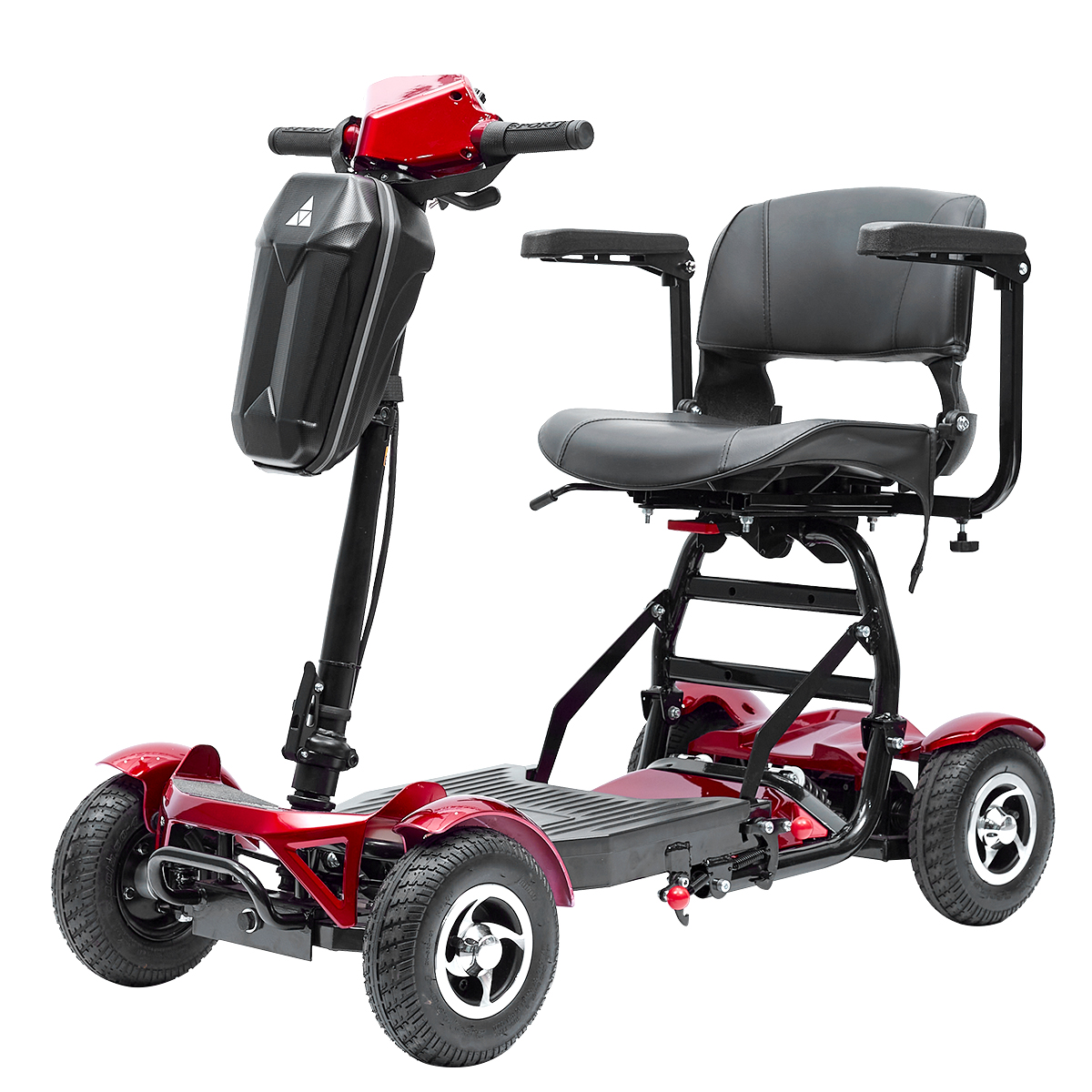
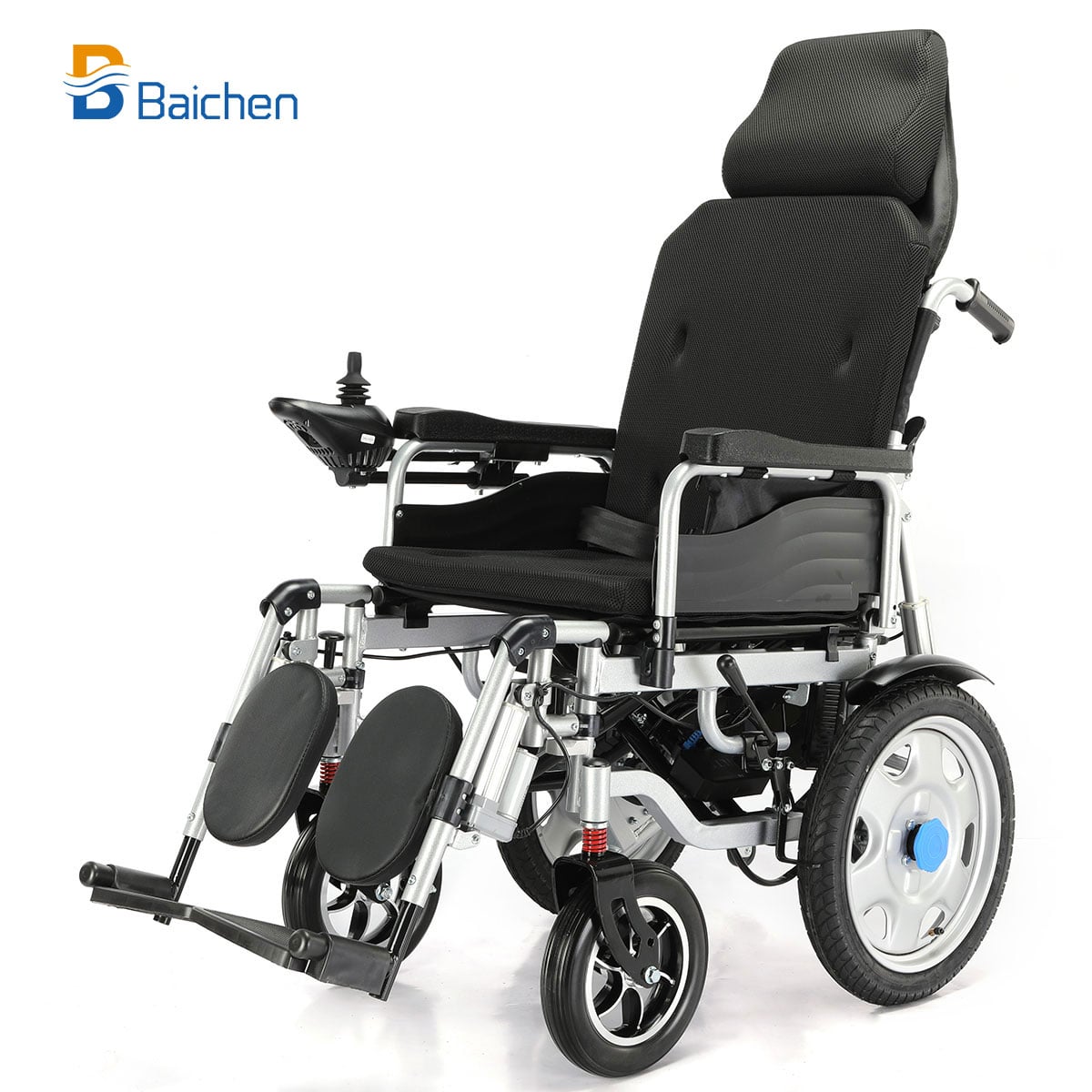
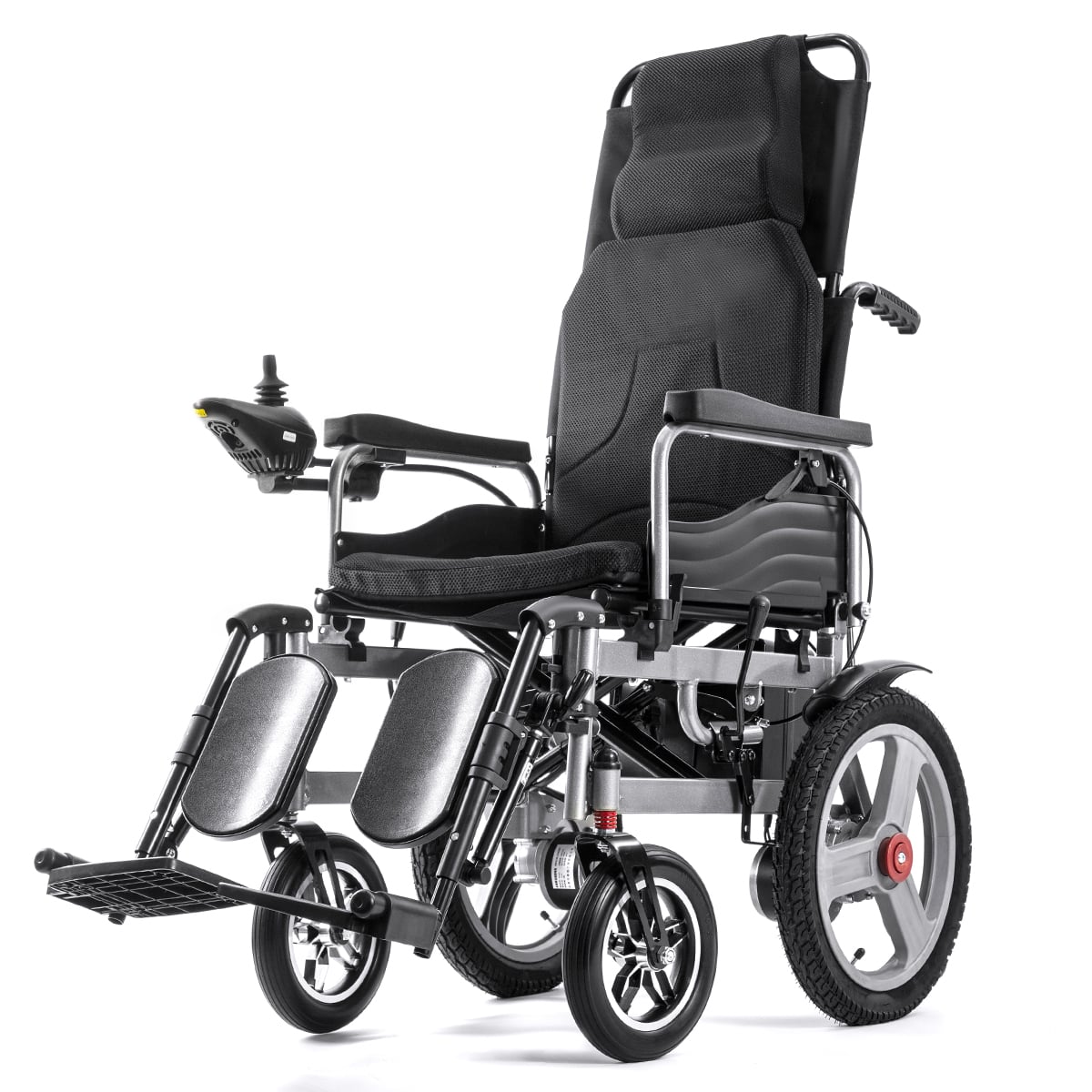
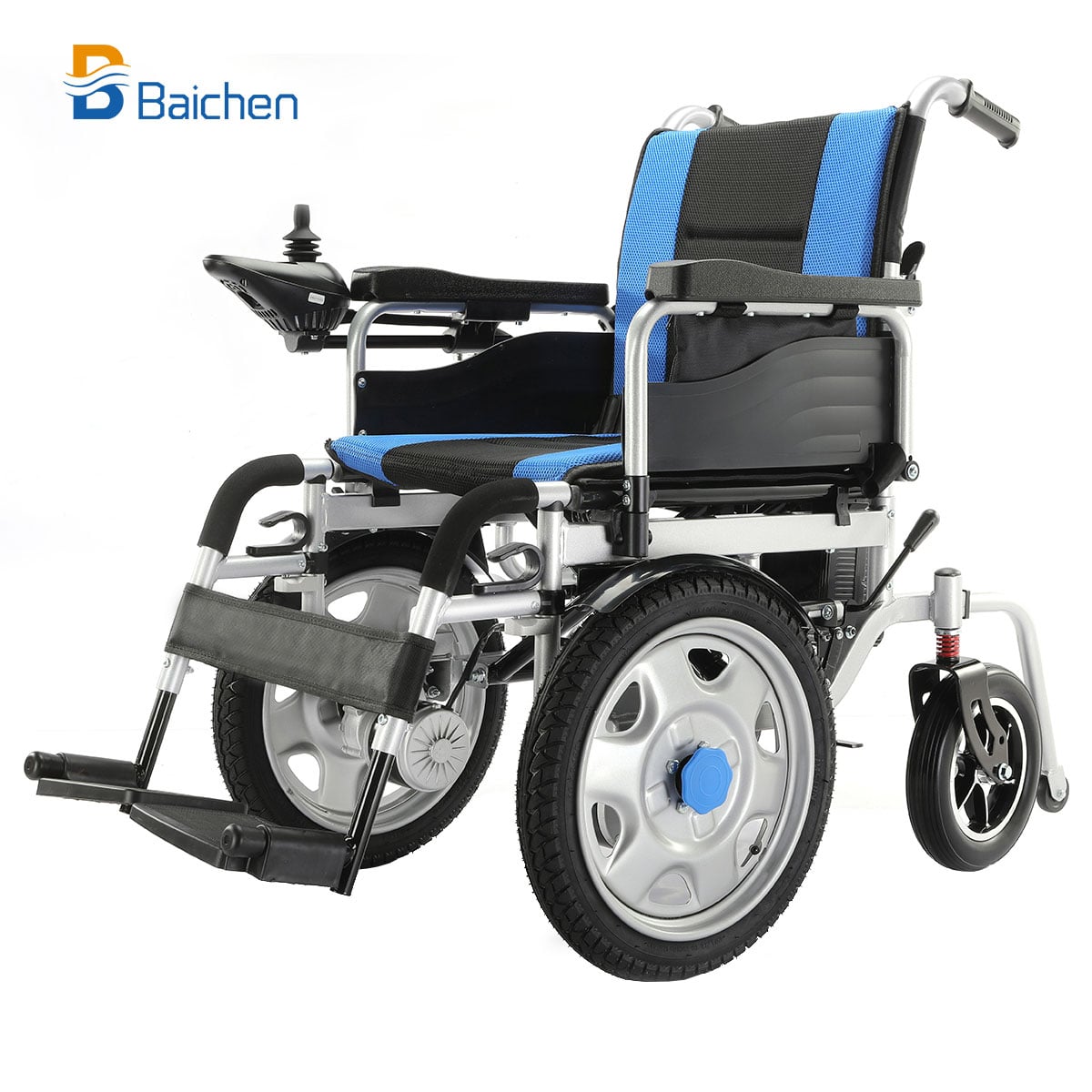
В домах престарелых, хотя электрические инвалидные коляски используются пожилыми людьми, чаще всего с ними взаимодействуют медицинские сёстры и ухаживающие. Насколько коляска действительно удобна в использовании — наиболее ценные мнения по этому поводу принадлежат именно ухаживающим. Исследовательская команда Baichen недавно посетила несколько домов престарелых и провела углублённые интервью с ухаживающими на передовой, выделив три ключевые потребности в отношении инвалидных колясок, используемых в учреждениях: лёгкость очистки, лёгкость складывания и стойкость к коррозии. Эти голоса с передовой линии ухода теперь определяют процесс проектирования продукции Baichen.
I. Лёгкость очистки: первый рубеж гигиены и безопасности
Условия в домах престарелых уникальны: еда, лекарства или даже внезапная рвота могут загрязнить инвалидные коляски. Ухаживающие в целом отмечают, что простота очистки напрямую влияет на их рабочую нагрузку и контроль за инфекциями.
«У некоторых сидений для инвалидных колясок много швов и впитывающая ткань. Если пожилой человек случайно прольёт суп, всё сиденье необходимо снимать для стирки, а на просушку уходит несколько дней», — говорит старшая медсестра с восьмилетним стажем. «Нам действительно нужна инвалидная коляска с гладкой поверхностью и минимальным количеством швов — достаточно протереть её влажной тряпкой».
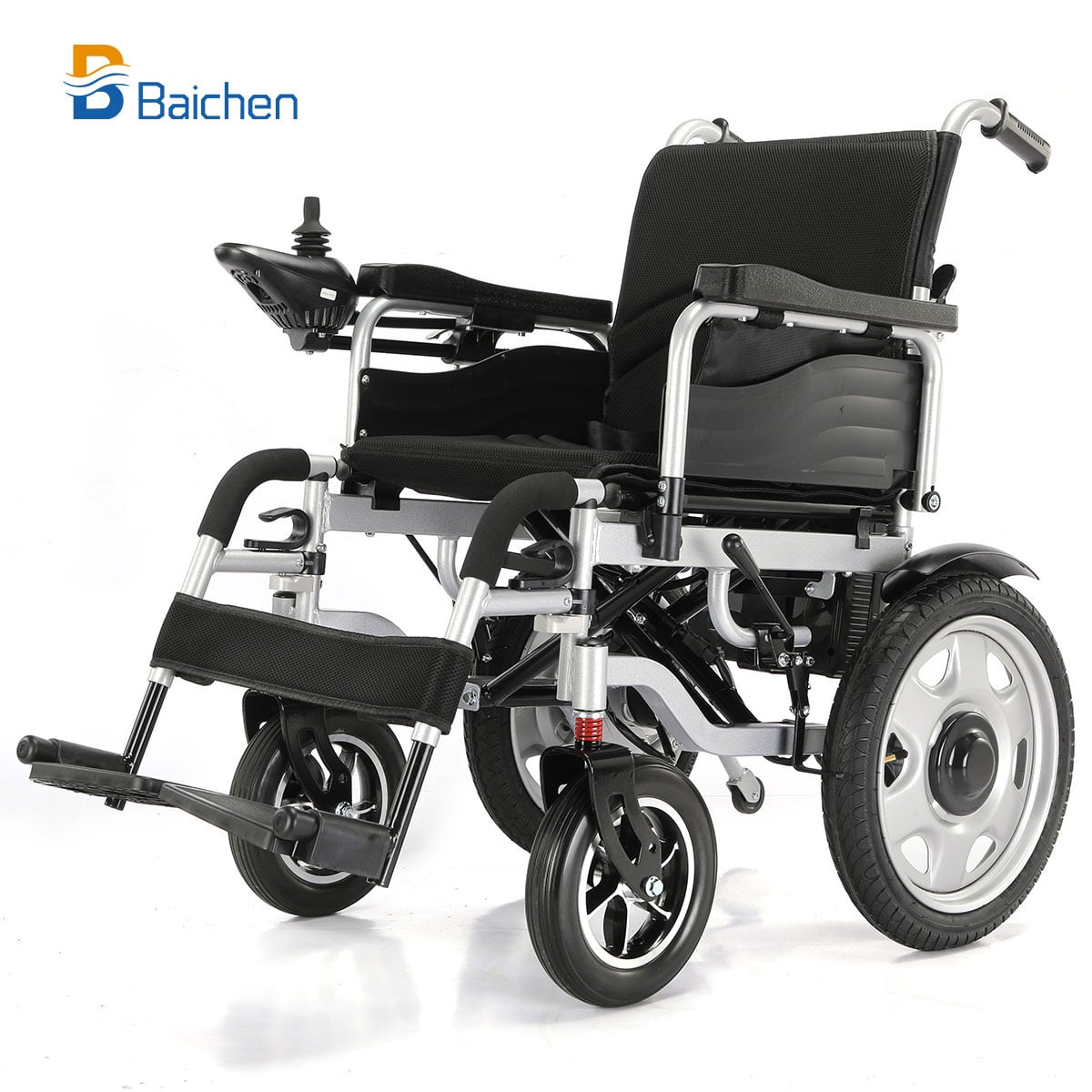
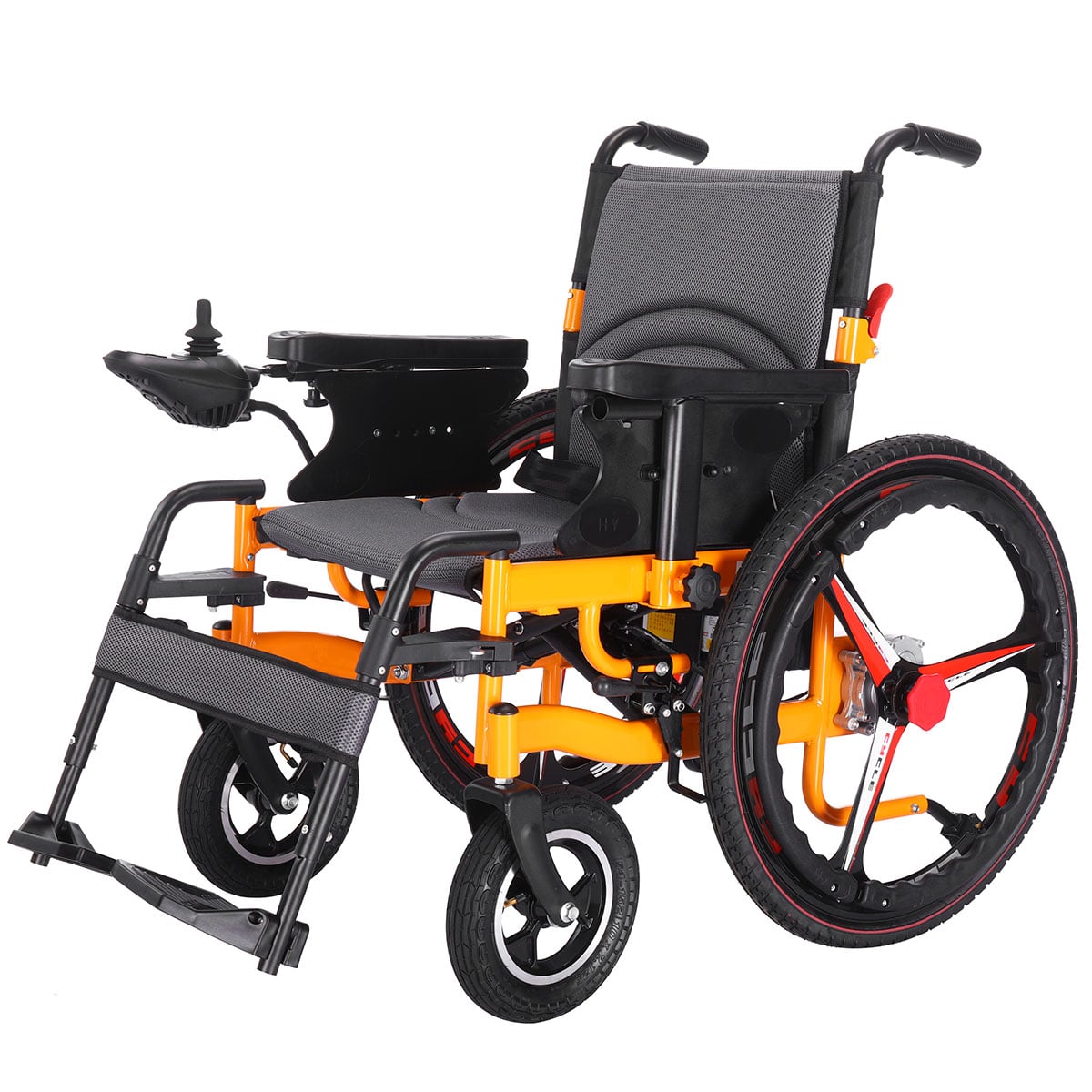
Инвалидная коляска Baichen, разработанная специально для домов престарелых, оснащена цельнолитым высокоплотным сиденьем без швов; оно водонепроницаемо и устойчиво к пятнам. Повседневные загрязнения легко удаляются влажной тряпкой. Спинка и подлокотники выполнены по системе быстросъёмного крепления, что позволяет снимать их без инструментов для отдельной очистки и дезинфекции. Трубчатая рама герметизирована изнутри, чтобы предотвратить попадание жидкости и коррозию.
II. Простое складывание: экономия места и снижение физической нагрузки
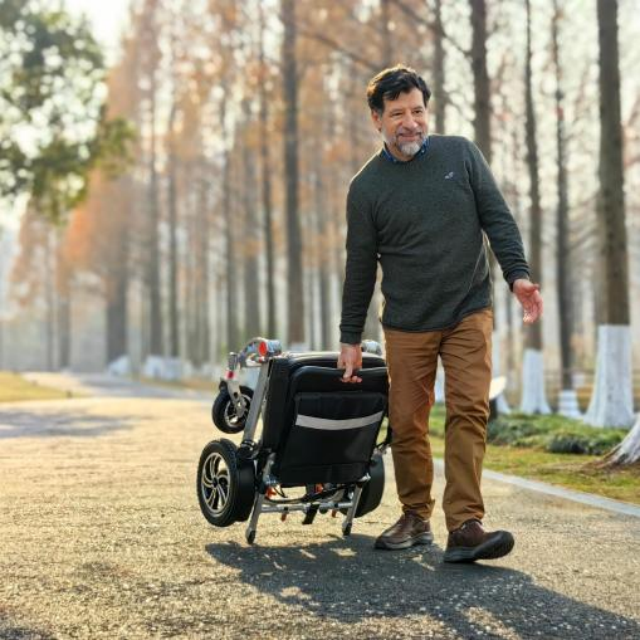
В домах престарелых, как правило, не хватает места для хранения. Коридоры, лифты и помещения для проведения мероприятий должны вместить инвалидные коляски, а большое их количество необходимо хранить вместе ночью или во время приёма пищи.
Ухаживающие отмечают, что усилие, необходимое для складывания, способность коляски стоять вертикально после складывания и возможность одно-handed (одной рукой) управления являются ключевыми показателями «удобства». «Некоторые коляски требуют наклониться, чтобы найти два рычага, а затем ещё и нажать на них ногой — складывать их более десяти раз в день невыносимо для моей спины», — честно признался мужчина-ухаживающий.
Серия инвалидных колясок Baichen оснащена механизмом складывания одним нажатием. Ухаживающие могут сложить коляску, приподняв сиденье одной рукой — без наклонов и дополнительных действий. После складывания коляска остаётся в вертикальном положении, не опираясь на стены, что упрощает её перемещение в зоны хранения. Общий вес сохраняется ниже 18 кг, поэтому даже женщины-ухаживающие могут поднять её и перенести в помещение для хранения.
III. Стойкость к коррозии: соответствие строгим требованиям дезинфекции с высокой частотой
Дома престарелых дезинфицируют инвалидные коляски несколько раз в день, особенно во время вспышек — для этого поочередно используются дезинфицирующие средства на основе хлора, спирта и УФ-излучение. Краска, винты и подшипники обычных инвалидных колясок легко повреждаются.
«Ранее мы использовали партию инвалидных колясок из железного сплава — рама покрылась ржавчиной менее чем за шесть месяцев, и при перемещении коляска начала скрипеть. В конце концов, мы выбросили их все», — helpless сказал менеджер по логистике дома престарелых.
Чтобы решить эту проблему, инвалидные коляски Baichen для домов престарелых оснащены полностью алюминиевым каркасом с электрофоретическим покрытием автомобильного класса и выдерживают более 500 часов испытаний в соляном тумане. Они не проявляют заметной коррозии при ежедневном контакте со спиртом или дезинфицирующим средством «84». Винты и подшипники выполнены из нержавеющей стали марки 304, чтобы предотвратить ржавчину и заклинивание. Пластиковые детали подлокотников и подножек содержат УФ-ингибиторы для предотвращения хрупкости и выцветания.
IV. Что ещё хотят помощники? Дополнительные «маленькие, но прекрасные» детали
Помимо трёх основных функций, помощники также упомянули:
Быстроразъёмные подножки — при подъёме пожилого человека в постель или при его высадке из постели подножки быстро откидываются наружу, чтобы избежать спотыкания.
Регулируемая высота толкающей ручки — помощники разного роста имеют разные углы сгибания запястья; регулируемая ручка снижает нагрузку на кисти.
Самоблокировка коляски — предотвращает случайное скатывание при временной парковке.
Большая сумка для хранения — удобна для перевозки лекарств, бутылок с водой и т. д., исключает необходимость в спешке при поиске.
Команда разработчиков продукции Baichen включила эти потребности в список задач для следующего поколения инвалидных колясок для домов престарелых; функции «быстро откидываемые подножки» и «большая сумка для хранения» уже являются стандартными на новых моделях.
Baichen в действии: проектирование, основанное на отзывах frontline-специалистов
Дома престарелых относятся к наиболее аутентичным и часто используемым сценариям эксплуатации электрических инвалидных колясок. Повседневный опыт ухаживающего персонала является наиболее ценным источником обратной связи для совершенствования продукции. Компания Baichen запустила «Программу совместного создания решений с участием ухаживающего персонала», охватывающую 12 домов престарелых по всей стране, и регулярно собирает отзывы от frontline-специалистов.
В 2026 году компания Baichen планирует запустить свою электрическую инвалидную коляску третьего поколения, специально предназначенную для домов престарелых: на основе уже имеющихся преимуществ — простоты очистки, компактного складывания и устойчивости к коррозии — в новой модели будут также использованы антимикробные материалы для подлокотников и аккумулятор с быстросъёмным креплением, что облегчит работу персонала и повысит комфорт для пожилых людей.
Если вы управляющий дома престарелых или сотрудник, непосредственно осуществляющий уход за пациентами, свяжитесь с Baichen для получения коммерческого предложения и образца для пробной эксплуатации. Мы назначим ответственного специалиста, который будет работать с вами и собирать ваши отзывы для последующей доработки продукта. По-настоящему хорошие инвалидные коляски создаются не дизайнерами, запертыми в лабораториях, — их «выталкивают» на рынок сами сотрудники по уходу, используя их в повседневной практике.
Ningbo Baichen medical Devices Co.,LTD.,
+86-18058580651
Baichenmedical.com
 EN
EN
 AR
AR
 BG
BG
 HR
HR
 CS
CS
 DA
DA
 NL
NL
 FI
FI
 FR
FR
 DE
DE
 EL
EL
 IT
IT
 JA
JA
 KO
KO
 NO
NO
 PL
PL
 PT
PT
 RO
RO
 RU
RU
 ES
ES
 SV
SV
 TL
TL
 IW
IW
 ID
ID
 LV
LV
 LT
LT
 SR
SR
 SK
SK
 SL
SL
 VI
VI
 HU
HU
 TH
TH
 TR
TR
 FA
FA
 GA
GA
 CY
CY