

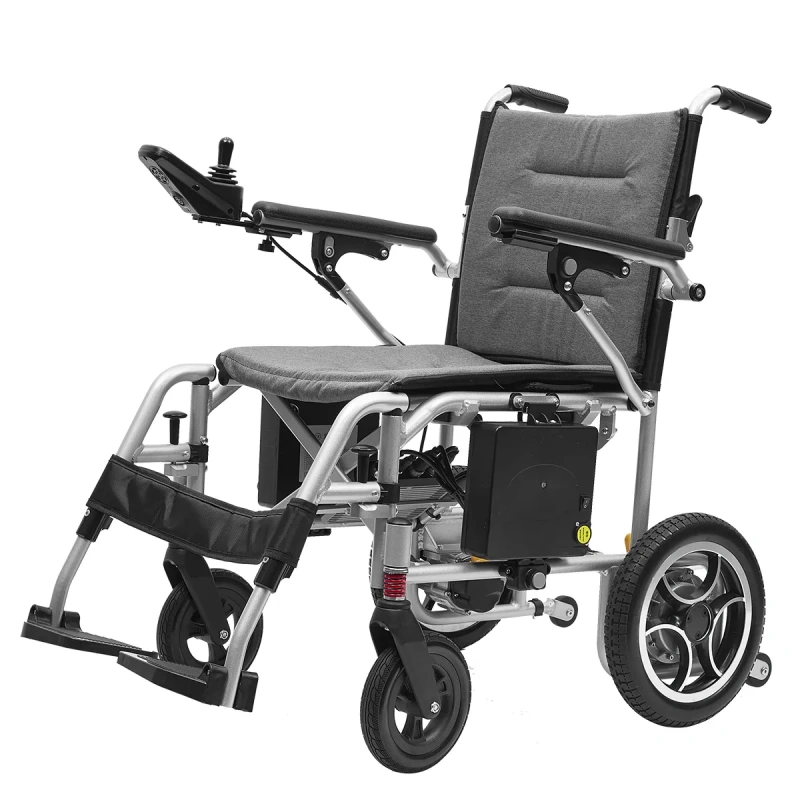
To users who use their electric wheelchair daily, whether it is in the morning, afternoons or evenings, the chair has to go through incessant starts and stops, sharp turns, folding and hours of sitting weight. Not all frame materials can resist this ...
VIEW MORE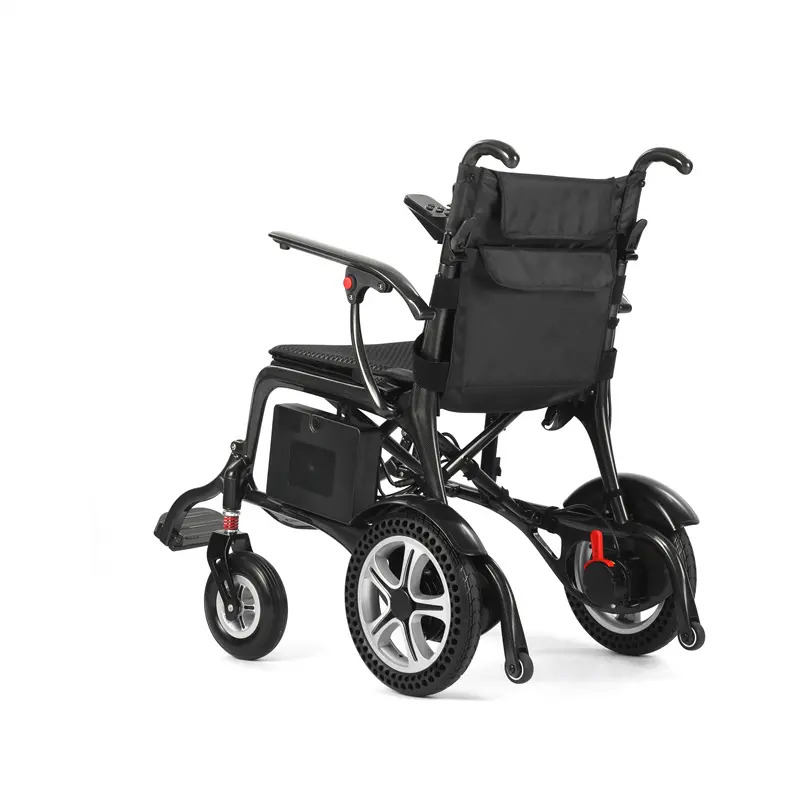
The least considered factor when purchasing an electric wheelchair is the battery. But it also dictates your daily commute, the time you spend to be recharged, the frequency of battery replacement and even the ease of flying by air. The two prevailin...
VIEW MORE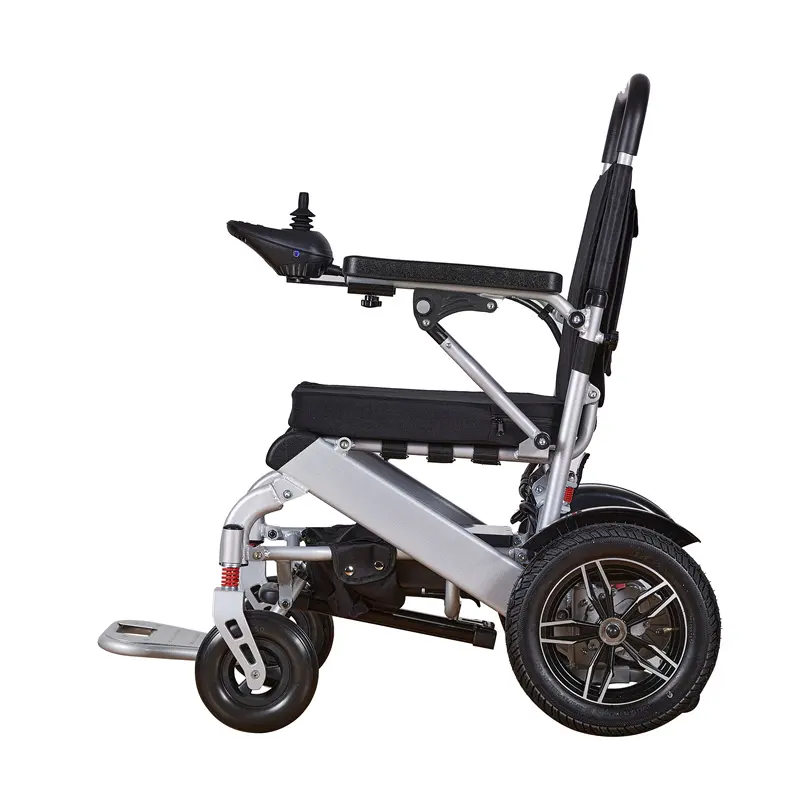
The frame material is very important when selecting an electric wheelchair; it determines the ease with which an individual can carry, store as well as maneuver the chair. Steel is powerful, yet dense. Carbon fiber is very light, yet costly. Aluminiu...
VIEW MORE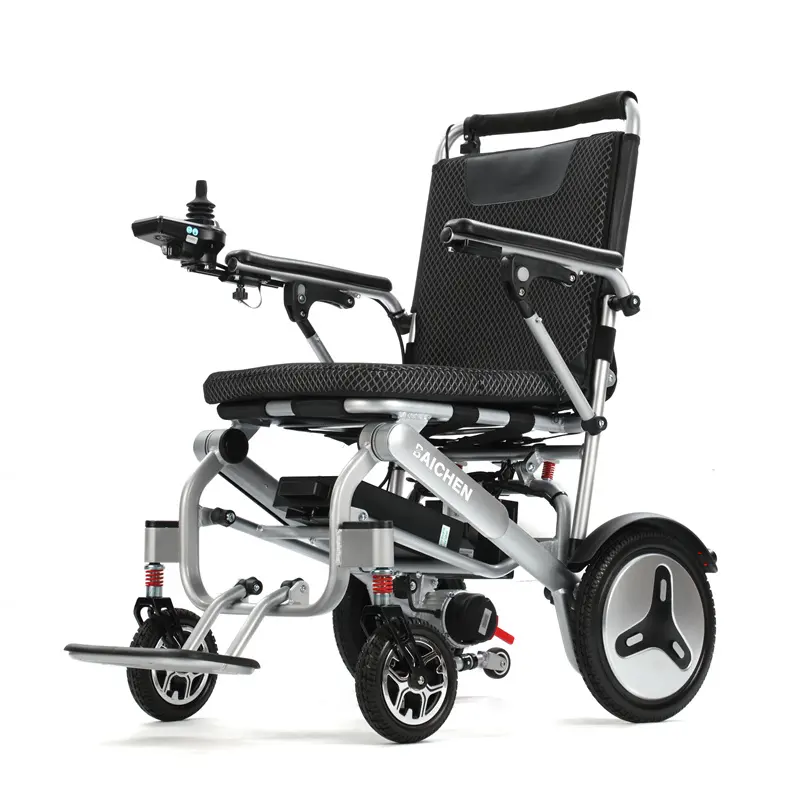
When it comes to the electric wheelchair users, each kilogram counts. A heavy chair cannot be easily transported, stored and maneuvered. But the weight must be lost without injury to safety or strength--a frame which is bent or cracked by weight is o...
VIEW MORE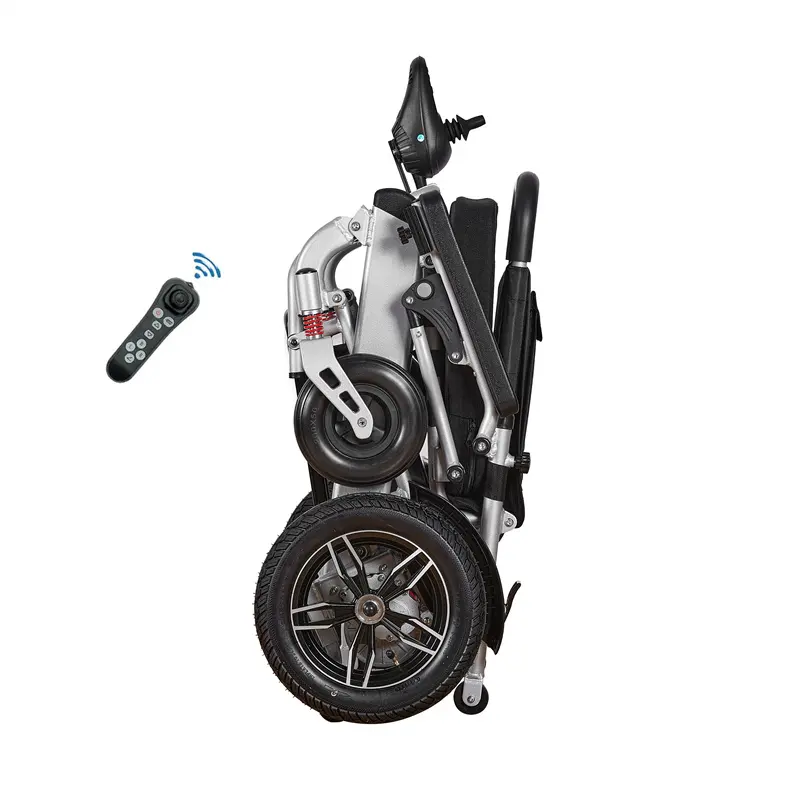
To most users of electric wheelchairs, it is not only mobility that is a challenge on a daily basis, but what to do with the chair when not in use. The large cumbersome chair occupies your house, compels you to purchase a bigger car, and makes it imp...
VIEW MORE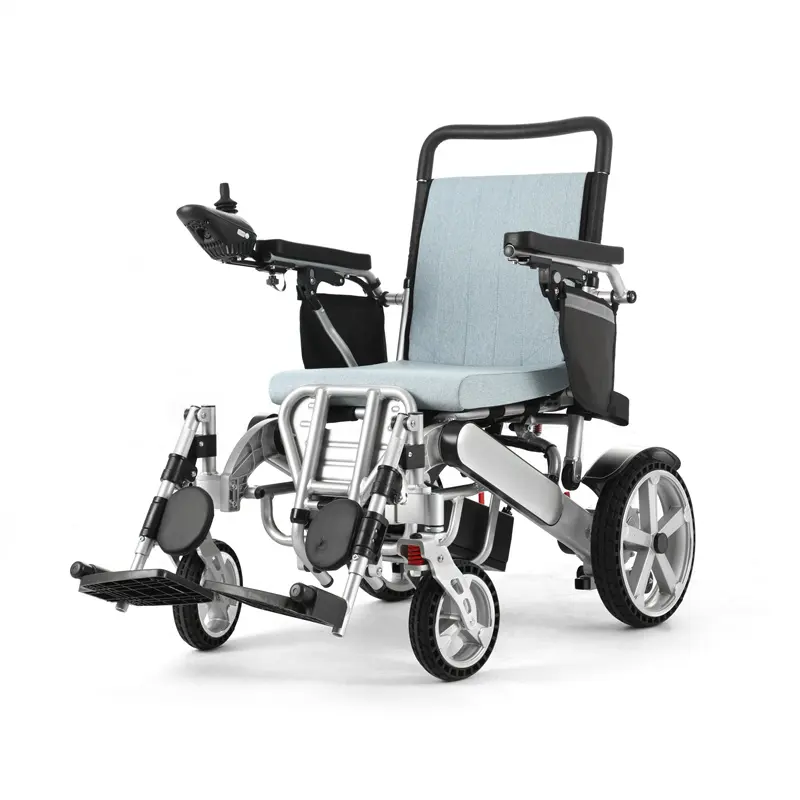
For users who regularly travels by air, train, car or even cruise ship, any inefficiency is a stressor. A heavy chair will cost a lot in terms of baggage charges. A large frame implies having to deal with rental vehicles. Limited range of battery imp...
VIEW MORE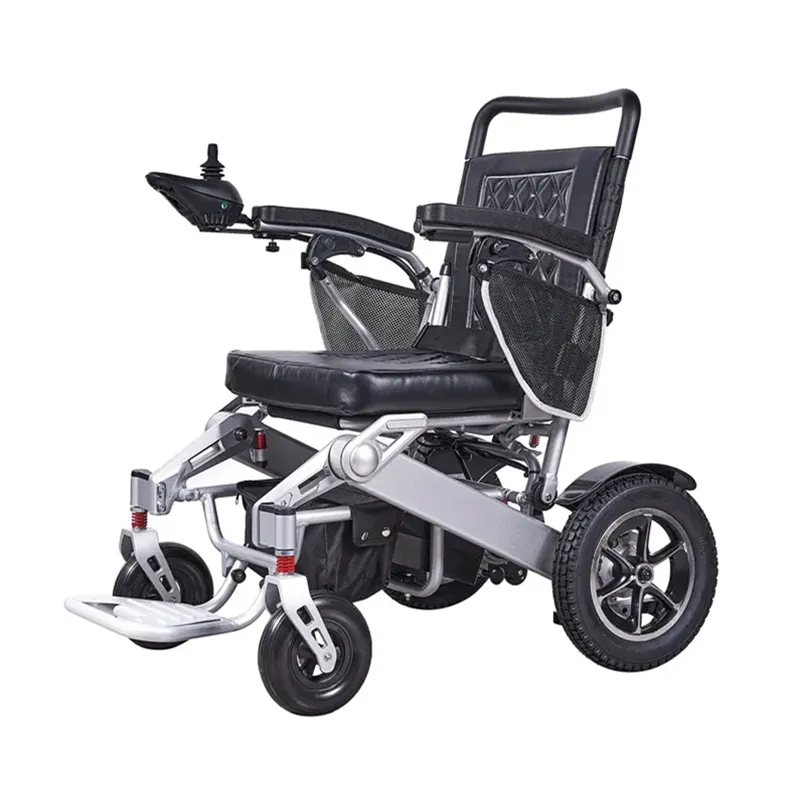
Any electric wheelchair has the motor as the core. It decides how quickly you run, how steep a hill you can get up, how long the battery will run, and even how silently you can pass through a library or a hospital. However, frame material or seat com...
VIEW MORE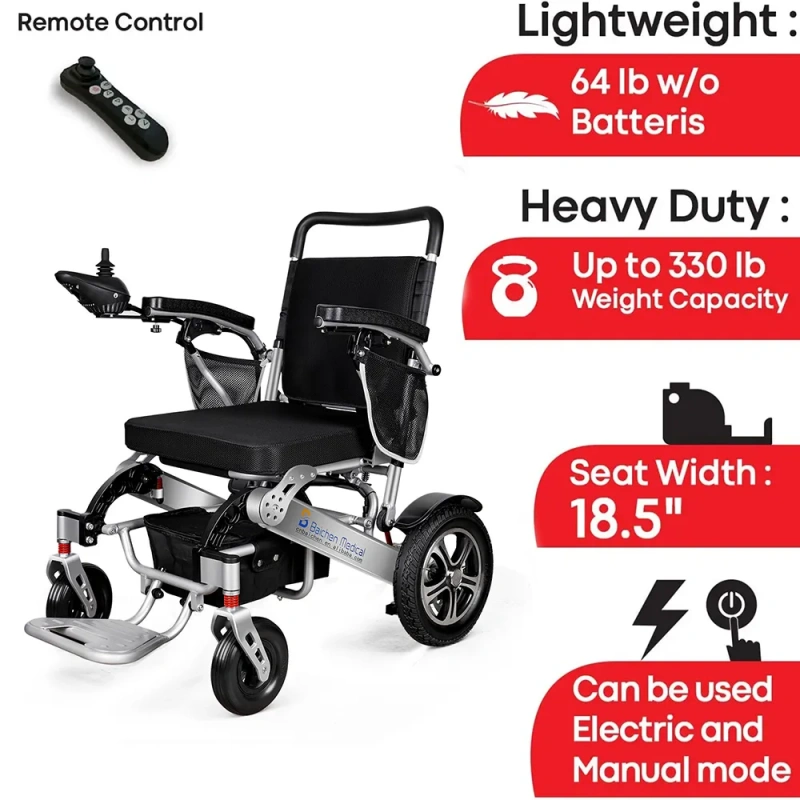
To wheelchair users who travel a lot, every kilogram counts. The big, cumbersome chairs make what seems an easy journey a logistical nightmare of airline baggage handlers, lifting into rental cars, and jostling through crowded terminals. With an elec...
VIEW MORE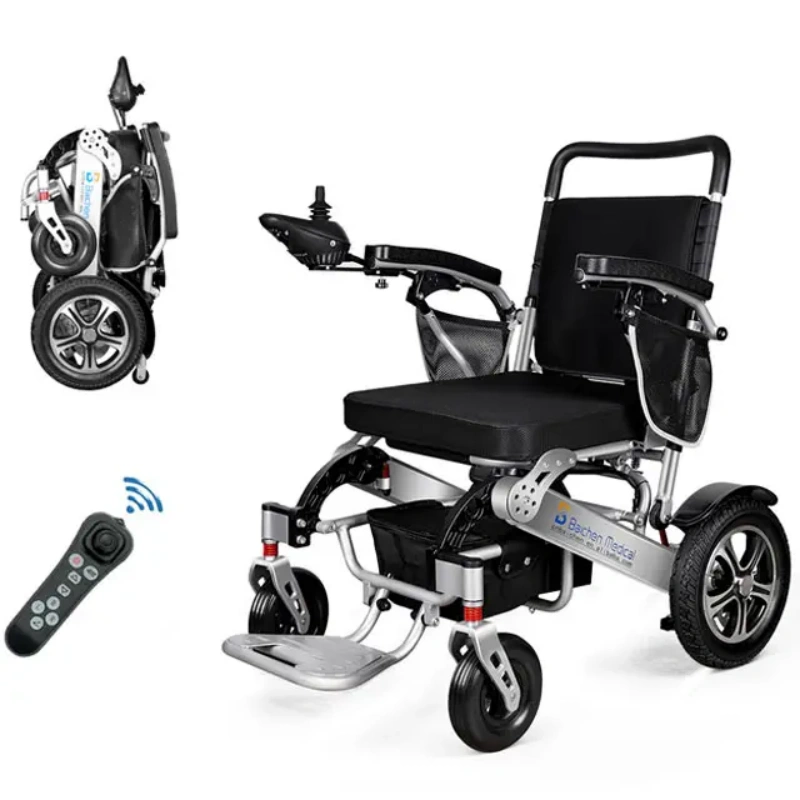
Electric wheelchairs do not work equally well in all environments. The wheelchair that moves easily along a hospital hallway might not move well in a gravel driveway or a plush carpet. Using a wheelchair not suited to your main habitat causes frustra...
VIEW MORE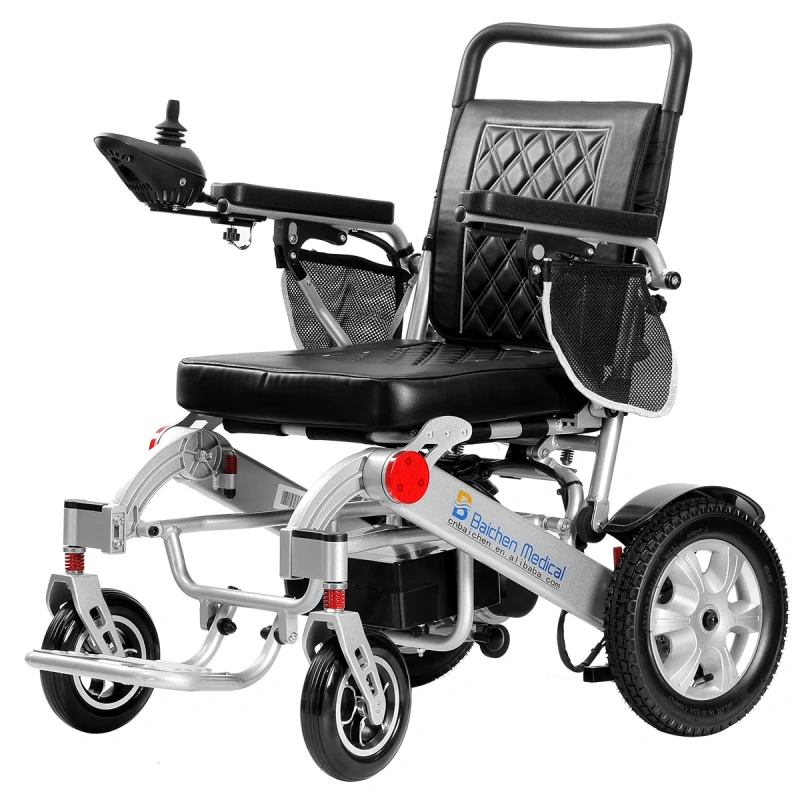
For most older users, being unable to walk freely does not necessarily imply that they are unable to be independent. Electric wheelchair will help to revive mobility and decrease dependency on care-givers and open up the world of errands, socializing...
VIEW MORE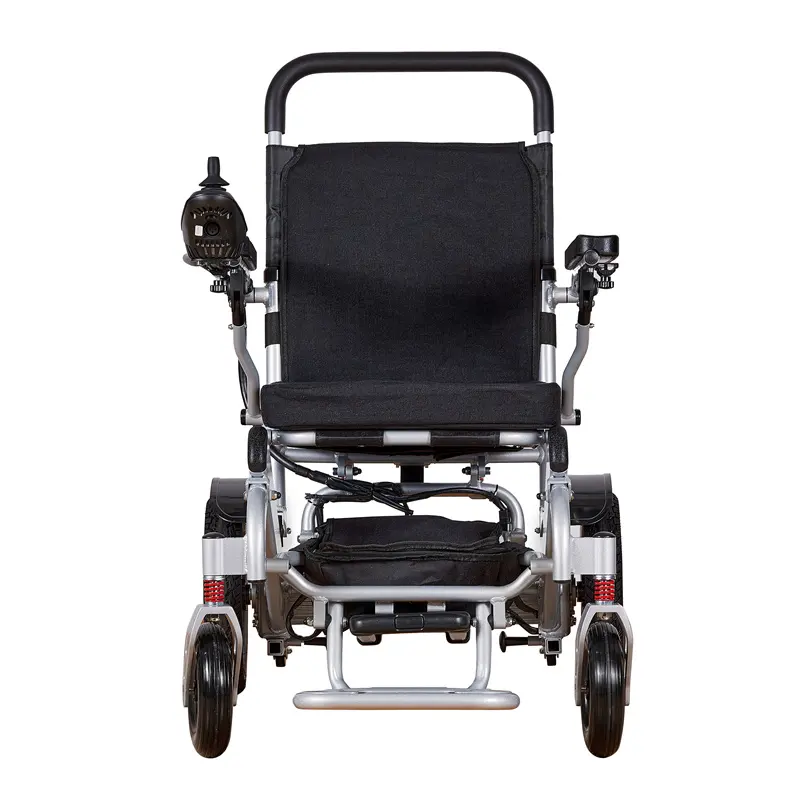
One of the least considered specifications in deciding on an electric wheelchair is its weight capacity. Operating beyond the limit not only cancels the warranty but there is the possibility of frame failures, motor burnout and tip over accidents. Th...
VIEW MORE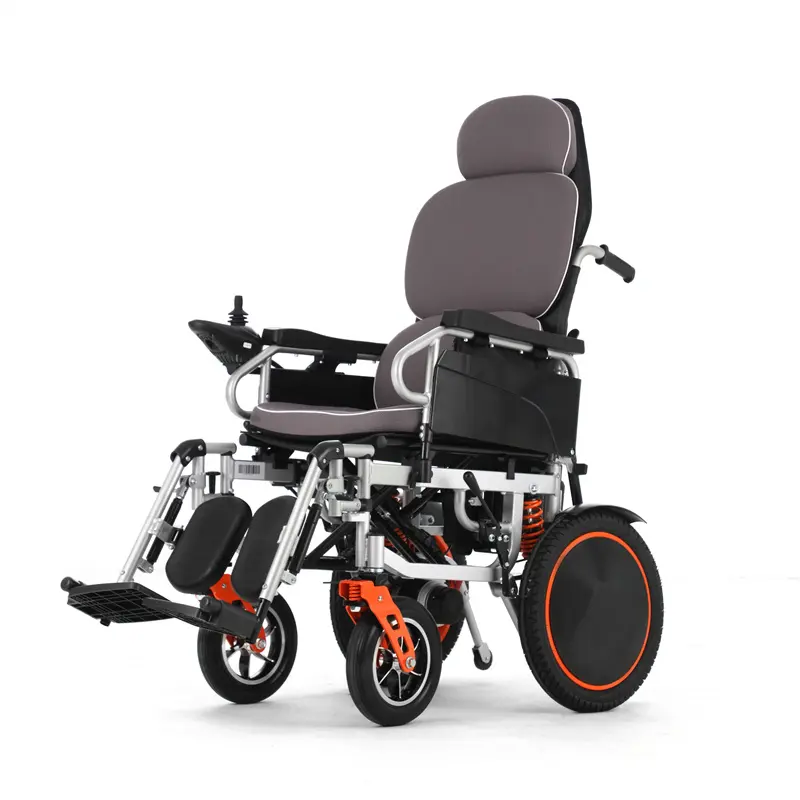
The decision to use an electric wheelchair is not limited to indoor convenience: in the real life, one has to go on sidewalks, grass, ramps, and uneven pavement. The same wheelchair that moves so well along a hospital corridor will not move well on a...
VIEW MORE EN
EN
 AR
AR
 BG
BG
 HR
HR
 CS
CS
 DA
DA
 NL
NL
 FI
FI
 FR
FR
 DE
DE
 EL
EL
 IT
IT
 JA
JA
 KO
KO
 NO
NO
 PL
PL
 PT
PT
 RO
RO
 RU
RU
 ES
ES
 SV
SV
 TL
TL
 IW
IW
 ID
ID
 LV
LV
 LT
LT
 SR
SR
 SK
SK
 SL
SL
 VI
VI
 HU
HU
 TH
TH
 TR
TR
 FA
FA
 GA
GA
 CY
CY

