 EN
EN
 AR
AR
 BG
BG
 HR
HR
 CS
CS
 DA
DA
 NL
NL
 FI
FI
 FR
FR
 DE
DE
 EL
EL
 IT
IT
 JA
JA
 KO
KO
 NO
NO
 PL
PL
 PT
PT
 RO
RO
 RU
RU
 ES
ES
 SV
SV
 TL
TL
 IW
IW
 ID
ID
 LV
LV
 LT
LT
 SR
SR
 SK
SK
 SL
SL
 VI
VI
 HU
HU
 TH
TH
 TR
TR
 FA
FA
 GA
GA
 CY
CY


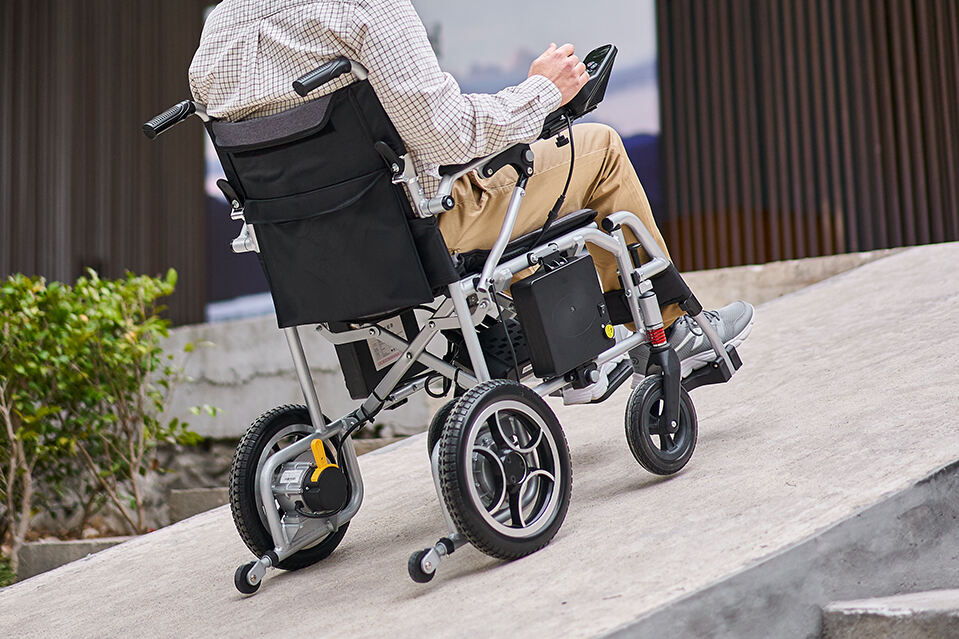

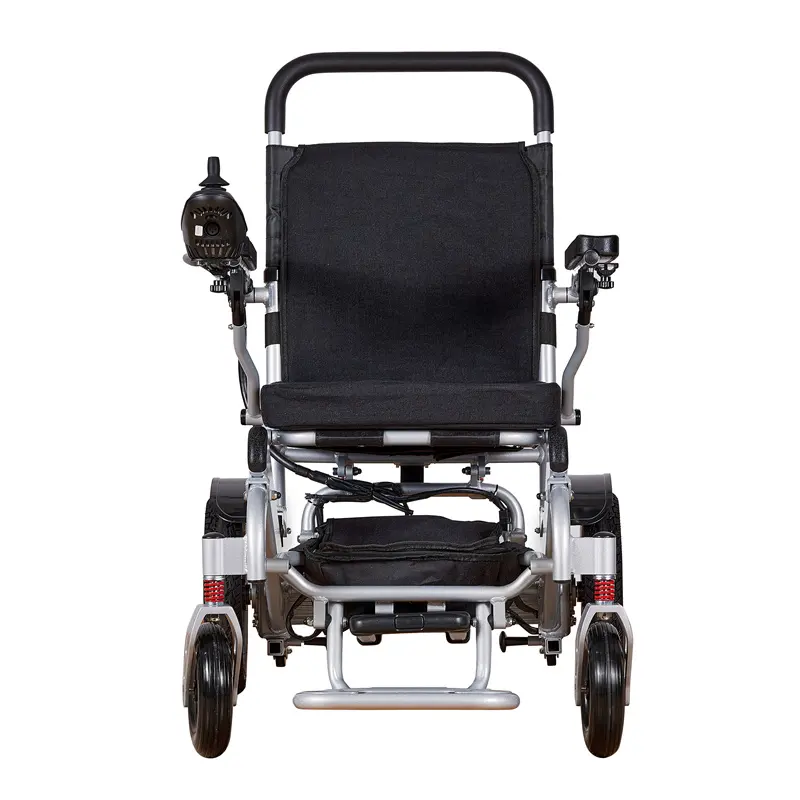
One of the least considered specifications in deciding on an electric wheelchair is its weight capacity. Operating beyond the limit not only cancels the warranty but there is the possibility of frame failures, motor burnout and tip over accidents. The needs of different users are different: a small elderly person will hardly need more than a petite, whereas a big adult sitting in the chair most of the day will have much higher requirements. We produce electric wheelchairs at Ningbo Baichen Medical Devices Co., Ltd. that have different weight ratings in aluminum, carbon fiber, steel and magnesium. The following is a map to user profile to capacity.
Light-Duty Capacity (100–120 kg / 220–265 lbs): Best for Occasional or Petite Users
Light duty electric wheelchairs are made to suit smaller adults, seniors who have limited daily use or indoor use only. These chairs are designed with portability and easy storing in mind and not with maximum strength.
Our carbon fiber power wheelchair is of this category. It can support at least 120kg, even though it is ultra-light (which is commonly 40-60% of the weight of steel). It is best when the user is required to move the chair in a car trunk often. The aluminum power wheelchair also provides the models in the 115-120 kg range. Select light duty when the user has a weight of less than 100 kg and is not transporting heavy bags or oxygen tanks. Surpassing this limit will hasten the wear of motors and folding mechanisms.
Medium-Duty Capacity (120–150 kg / 265–330 lbs): Best for Daily Independent Users
Medium duty electric wheelchairs are appropriate to most active and independent users who spend 6-10 hours each day in the wheelchair. These models are weight balanced, battery broadened and structural demandingness.
Our magnesium power wheelchair is designed to this range, usually with a weight of 135-150 kg. Magnesium is responsive and stable because of its high stiffness but no weight penalty compared to steel. A large number of our aluminum power wheelchairs are medium duty versions that have strengthened frames and larger motors. This type of user tends to have personal belongings (backpacks, groceries) that increase the overall weight by 5-10 kg. Always select a chair that has at least 15-20% of headroom over your real weight to consider the cargo and daily wear.
Heavy-Duty Capacity (150–200+ kg / 330–440+ lbs): Best for Larger Users or Full-Time Use
Electric wheelchairs are designed to be used by heavier people or people who transport medical equipment (ventilators, suction machines) or those who spend 12-16 hours on the chair per day. The models have strengthened frames, broader seats, and stronger motors.
The obvious choice here would be our steel power wheelchair which has weight capacities up to 180-200+ kg depending on the configuration. The natural strength of steel means that it can be made much thicker in tubing and parts that are much heavier without flexing and fatigue. A tradeoff is more weight (30-45 kg) that makes such chairs less portable. The heavy duty steel models are safest and longest lasting to users who do not need to move the chair much and are more concerned with durability as opposed to portability.
Mobility Scooter Capacity (120–180 kg / 265–400 lbs): Matching Scooter Class to User Size
Mobility scooters are not subject to the same weight capacity as they have three or four wheels and a new center of gravity. Scooter overloading is especially harmful on slopes or rough surfaces.
Our automatic folding mobility scooter can generally support 120-135 kg, which is suitable to travel and use occasionally. The 3-wheel mobility scooter has a slightly higher capacity (130-150 kg) with enhanced ability to negotiate narrow spaces. Our 4-wheel mobility scooter has a rating of 150-180+ kg, and a larger wheelbase to aid stability, with the largest users. Never attach any accessories such as canopies or rear baskets to the scooter when it is not rated at that capacity as this will change the weight balance.
Conclusion
When you match user profile to frame material: It is easy to select the right weight capacity.
100-120 kg: Carbon fiber or light aluminum (portability first).
120-150 kg: Magnesium or reinforced aluminum (daily independent use).
150-200+ kg: Steel (maximum safety and durability).
Scooters (120-180 kg): Select based on the number of wheels and mobility requirements.
In Ningbo Baichen Medical Devices Co., Ltd., we produce all four types of materials in our 20,000 m2 plant, and have 60 frame processing machines and 4 assembly lines. Today, we can help you locate the electric wheelchair or mobility scooter that would not only suit your weight needs but also your lifestyle.
Table of Contents
- Light-Duty Capacity (100–120 kg / 220–265 lbs): Best for Occasional or Petite Users
- Medium-Duty Capacity (120–150 kg / 265–330 lbs): Best for Daily Independent Users
- Heavy-Duty Capacity (150–200+ kg / 330–440+ lbs): Best for Larger Users or Full-Time Use
- Mobility Scooter Capacity (120–180 kg / 265–400 lbs): Matching Scooter Class to User Size
- Conclusion