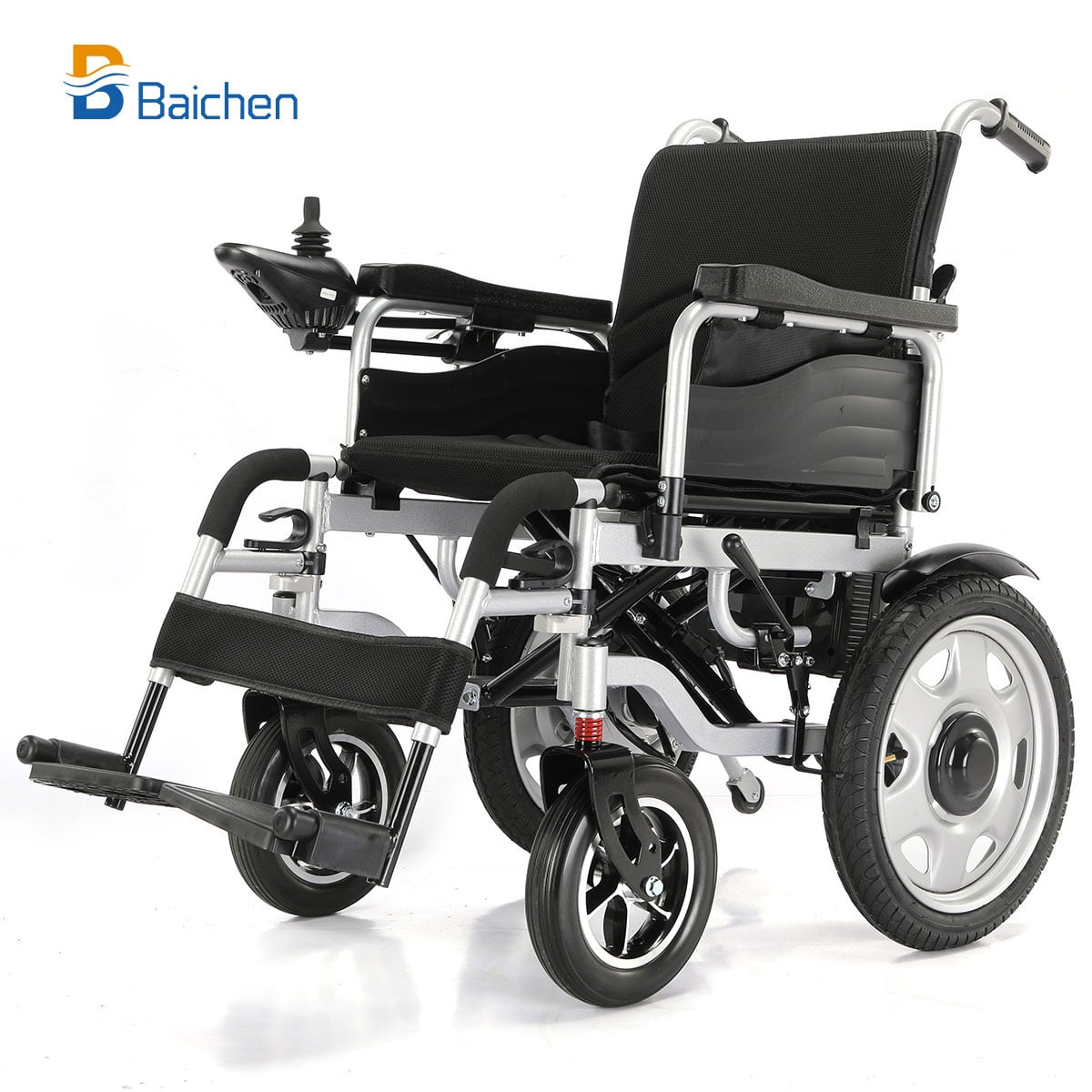
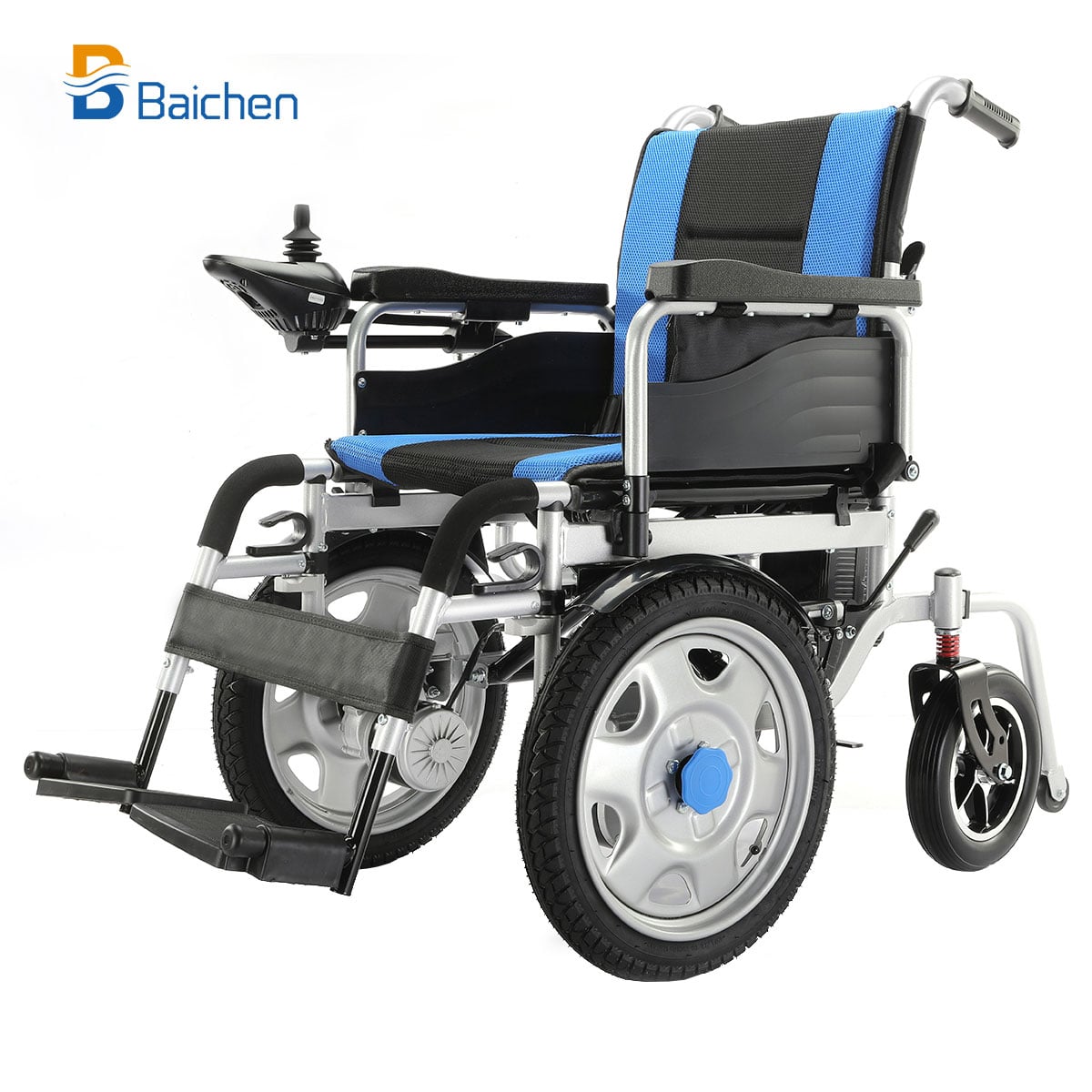
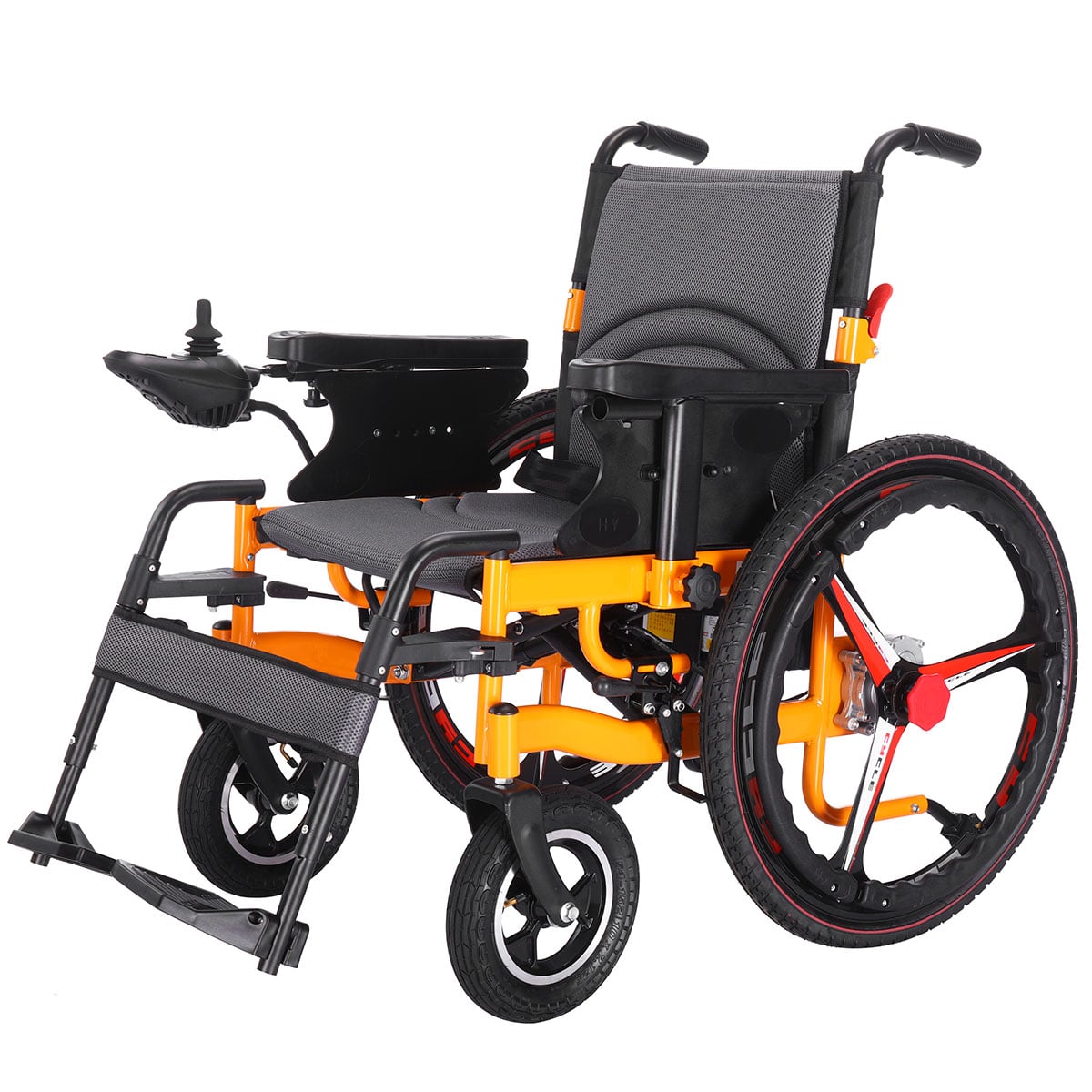
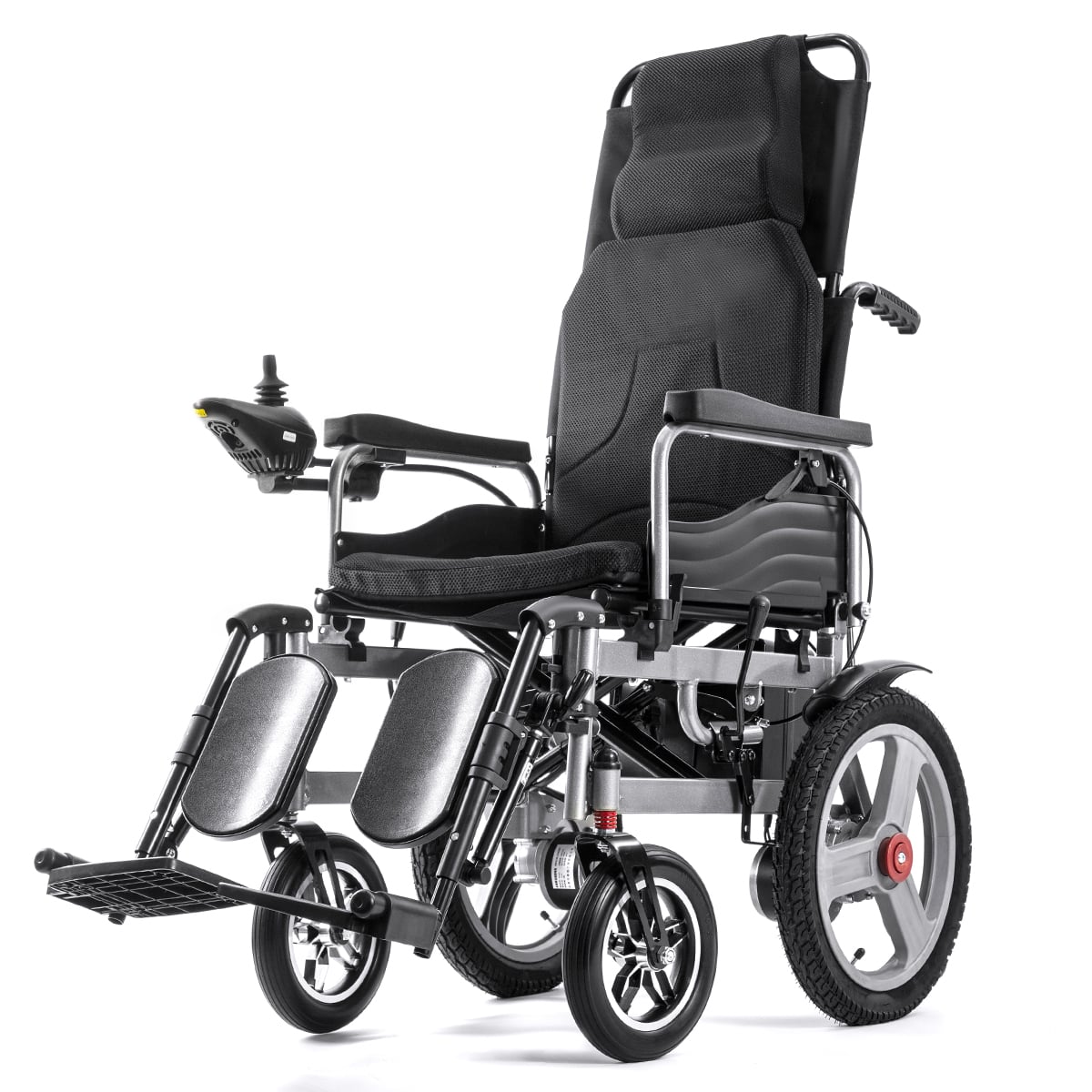
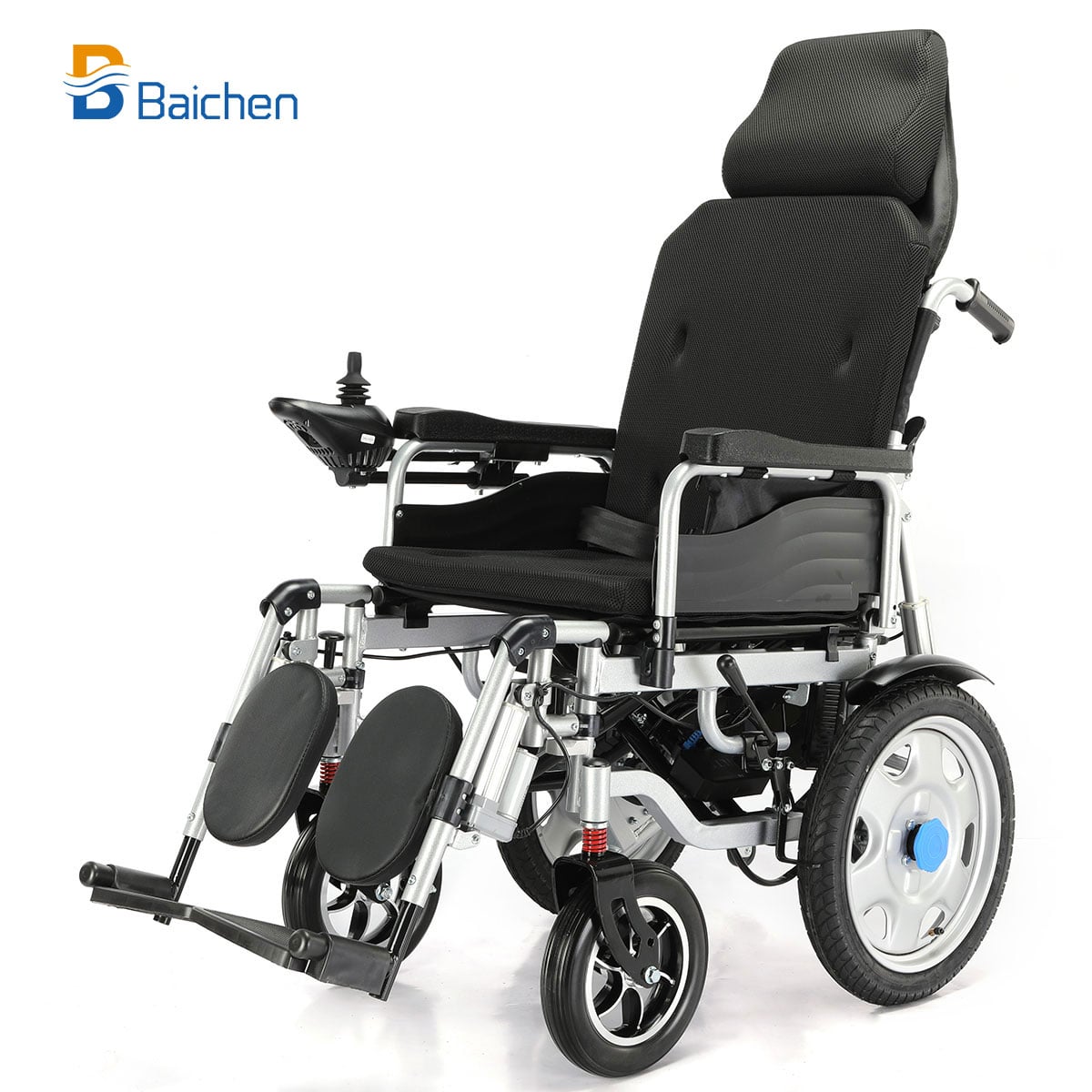
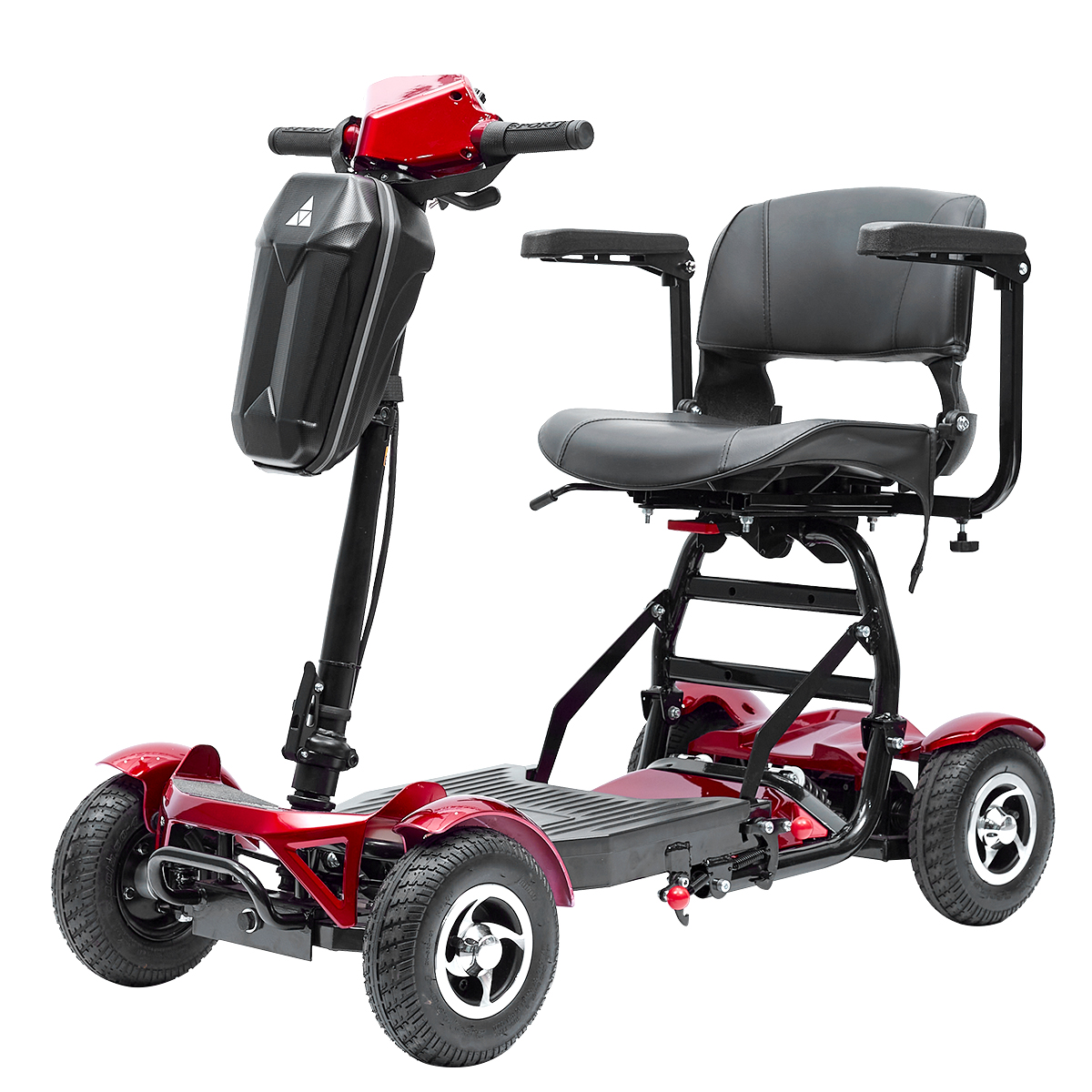
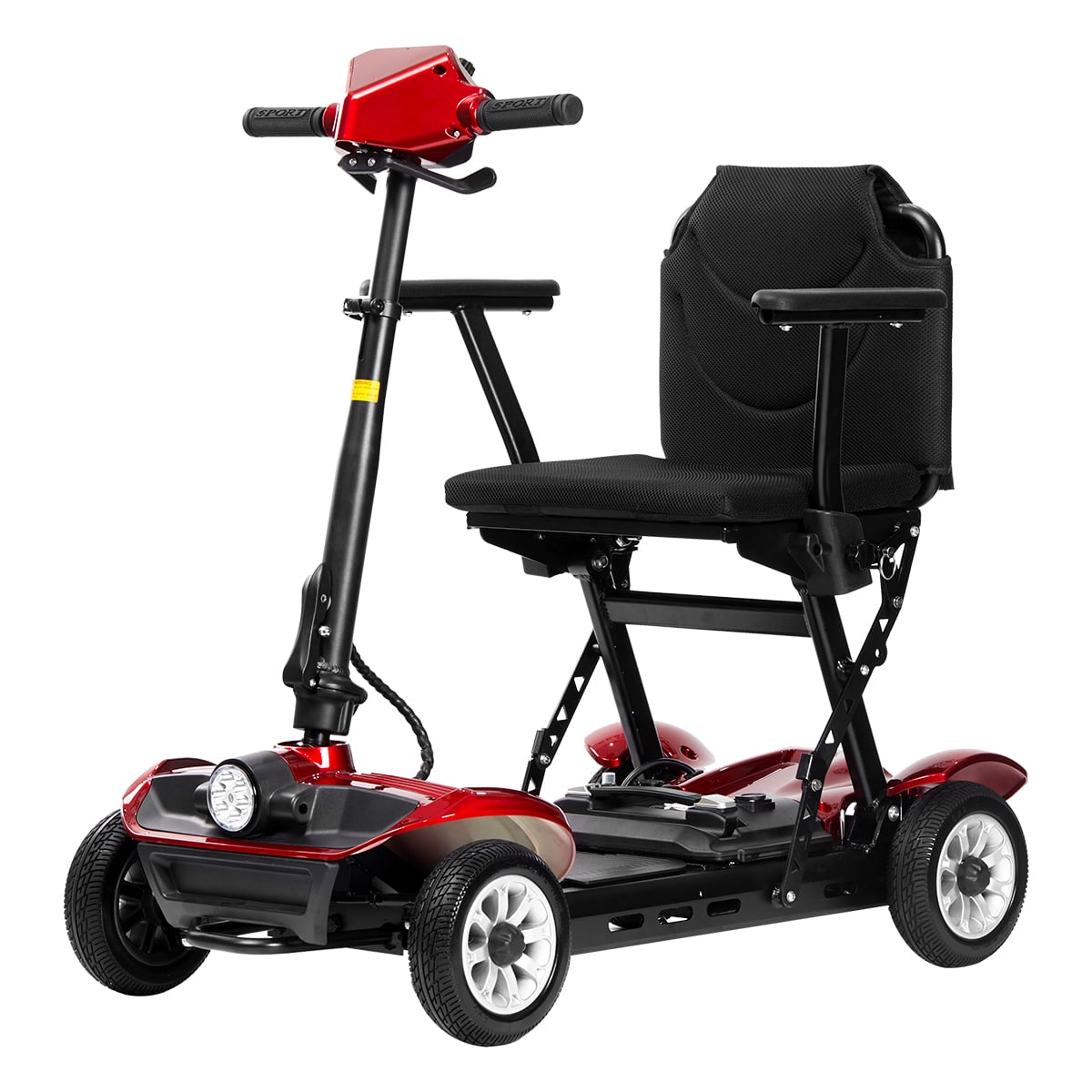
Az elektromos székerek napi mozgásképességet biztosító eszközként való használata során az ilyen székek teljesítményének stabilitása és általános élettartama nagymértékben függ attól, hogy a felhasználó elsajátította-e az adott típushoz kifejlesztett speciális karbantartási módszereket. Különböző anyagokból készült székarkeretek eltérő fizikai tulajdonságokkal rendelkeznek – mindegyiknek megvannak a saját erősségei és gyengeségei –, ezért karbantartásukhoz lényegesen eltérő megközelítésekre van szükség. Ezeknek a különbségeknek a megértése nemcsak tudatosabb, tudományosabb karbantartást tesz lehetővé a felhasználók számára, hanem gyakorlati útmutatást is nyújt a jövőbeni vásárlási döntések meghozatalához.
Szénszálas székerek: finomkarbantartás könnyű, de nagy szilárdságú anyagokhoz
A szénszálas kerekesszékek rendkívül könnyű súlyuk és kiváló merevségük miatt nagy becsben állnak; ugyanakkor ez a felsőkategóriás kompozit anyag viszonylag magasabb karbantartási igényt is támaszt. A mindennapi tisztításhoz ajánlott a keretet puha, enyhén nedves kendővel óvatosan letörölni. Tilos súroló hatású, granulátumot tartalmazó tisztítószereket vagy merev szálú keféket használni, mivel azok károsíthatják a felületet védő gyantafelületet. A szénszál érzékeny az UV-sugárzásra (napfényre); ha a kerekesszék gyakran hosszabb ideig van kint parkolva, érdemes védő napfeszítőt használni, hogy lelassítsuk az anyag öregedését és rideggé válását.
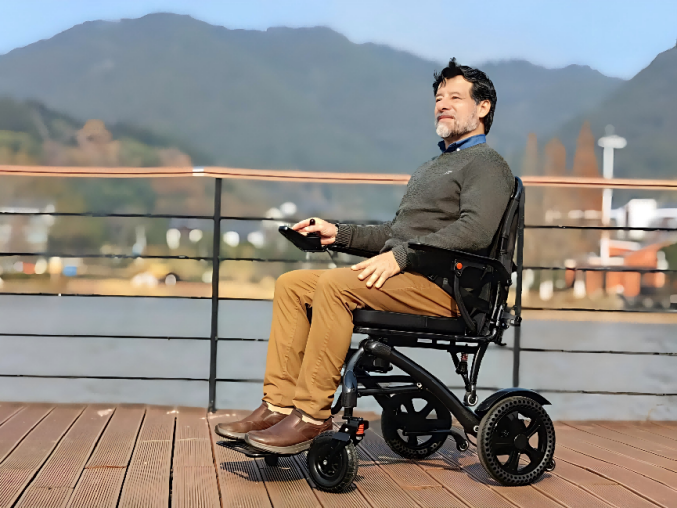
Különös figyelmet kell fordítani a keret rögzítési pontjainak ellenőrzésére. Mivel a szénszálas és a fémes rögzítőelemek hőtágulási és -összehúzódási együtthatója eltérő, a csavarok enyhén kilazulhatnak olyan környezetben, ahol jelentős hőmérséklet-ingadozások észlelhetők. Ajánlott a csavarok nyomatékának ellenőrzése minden fő terhelés alatt álló csatlakozási ponton három havonta. A hajtómű hajlékony mechanizmusán belüli forgópontokat rendszeresen kenőzsírral kell kezelni, hogy biztosítsuk a zavarmentes és erőfeszítés nélküli összecsukási és kinyitási műveleteket.
Ezen felül a széndárgyú keretű tolószékek általában lítium-ion akkumulátorokkal vannak felszerelve, így az akkumulátor karbantartása is ugyanolyan fontos. Ajánlott a töltöttségi szintet rendszeres töltési–merítési ciklusokkal 20–80%-os tartományban tartani, elkerülve a hosszabb ideig tartó teljes töltöttséget vagy az akkumulátor teljes kimerülését. Hat havonta a tolószéket szakmunkás szervizközpontba kell vinni átfogó ellenőrzésre – különösen a széndárgyú keret ellenőrzésére apró repedések („hajszálrepedések”) szempontjából. Az ilyen sérülések szabad szemmel nehezen észlelhetők, mégis potenciális kockázatot jelentenek a tolószék szerkezeti integritására és biztonságára.
Alumíniumötvözetből készült tolószékek: A legnépszerűbb anyag napi karbantartásának kulcsfontosságú pontjai
Az alumínium ötvözetből készült tolószékek jelenleg a piac legnagyobb részét foglalják el. Bár karbantartásuk viszonylag egyszerű, számos kulcsfontosságú részletre figyelni kell. Az alumínium felületén keletkező oxidréteg az alumínium anyagok fő védelmi vonala a korrózióval szemben. A rendszeres tisztítás során semleges mosószereket kell használni, és kerülni kell az erős savak vagy lúgok érintkezését az anyaggal. A tengerparti régiókban élő felhasználóknak különösen figyelniük kell: ajánlott a tolószék keretét havonta alaposan leöblíteni édesvízzel, hogy megakadályozzák a só hosszú távú lerakódását, amely lyukas korróziót okozhat.
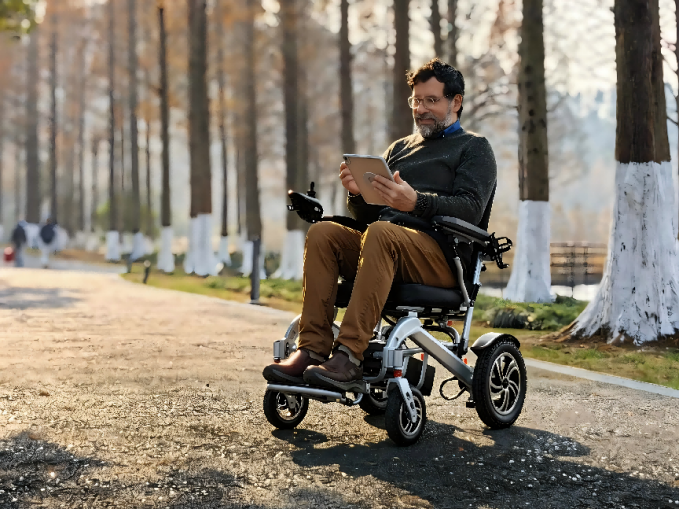
A hajtós csuklók az alumínium ötvözetből készült tolószék legkritikusabb – és potenciálisan legsebezhetőbb – elemei. Mivel az alumínium viszonylag alacsony keménységű, a többszöri összehajtás és kihajtás enyhe deformációt okozhat a csuklólyukakban. Ajánlott két havonta egyszer alacsony viszkozitású kenőanyagot alkalmazni ezeken a mozgó csuklókon. A ülés alatt elhelyezkedő teherhordó keresztgerendákat rendszeresen ellenőrizni kell hajlás vagy deformáció jelei után; ez különösen fontos a nagyobb testtömegű felhasználók számára.
Vasötvözetből készült tolószékek: Célzott karbantartás gazdaságos és tartós modellekhez
Az acélötvözetből (szénacélból) készült tolószékek megfizethetők, de szigorúbb karbantartási rendszerre van szükségük, amelynek elsődleges célja a rozsdásodás megelőzése. A keretet borító festékréteg a legfontosabb védőréteg; ezért a felhasználóknak érdemes kerülniük a napi használat során az ütközéseket, karcolásokat és horpadásokat. Amennyiben bármilyen sérülést észlelnek a festékrétegen, azt azonnal ki kell javítani egy érintésmentes javító tollal, hogy megakadályozzák a rozsdafoltok terjedését. Esős időben történő használat után feltétlenül alaposan töröljék le a keretet, és tárolják a tolószéket jól szellőző helyiségben.
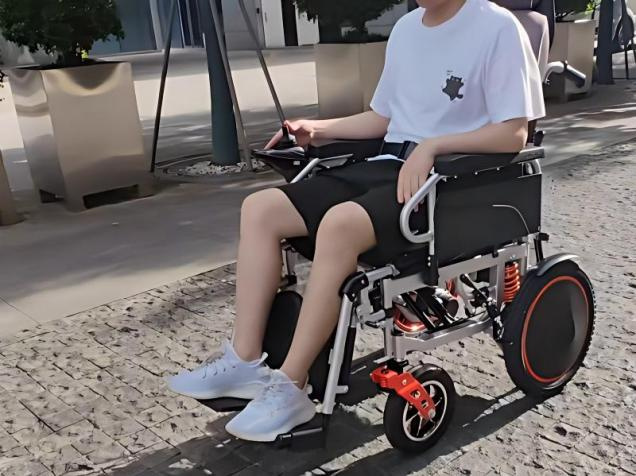
A futómű és a hajtáslánc alkatrészeinek kenési időközét megfelelően rövidíteni kell. A vasötvözetből készült tolószékek esetében ajánlott minden mozgó alkatrész havonta egyszer történő kenése közepes viszkozitású ipari kenőanyaggal. Ezen felül, mivel a vasötvözetből készült tolószékek nagyobb üres tömege miatt a csapágyak nagyobb terhelésnek vannak kitéve, célszerű a kerék tengelycsapágyakban található zsírt hat havonta cserélni.
Akkumulátor-karbantartással kapcsolatban a legtöbb vasötvözetből készült tolószék ólom-savas akkumulátorral van felszerelve, ezért az elektrolit szintjére különös figyelmet kell fordítani. Ajánlott havonta egyszer ellenőrizni a szintet; az elektrolit felszíne 10–15 milliméterrel kell, hogy a lemezek fölé emelkedjen, és ha a szint ezt az értéket alulról eléri, desztillált vizet kell hozzáadni. Győződjön meg arról, hogy a töltés helye jól szellőző, és szigorúan kerülje el a túltöltést. Mivel az ólom-savas akkumulátorok érzékenyek a „memória-hatásra”, ajánlott az akkumulátort minden használat után azonnal újratölteni, ne várjon addig, amíg a teljes töltés elfogy.
Különböző felhasználócsoportok számára szükséges kiválasztási és karbantartási stratégiák
Idősebb felhasználók: Erősen ajánlott, hogy ebben a demográfiai csoportban az alumínium ötvözetből készült tolószékek kiválasztására helyezzék a hangsúlyt. Mérsékelt tömegük és alacsonyabb karbantartási igényük miatt jelentősen alkalmasabbak idősebb felnőttek önálló használatára. A rutinkarbantartást családtagok is elvégezhetik, elsősorban a fékreakció és a gumiabroncs-nyomás ellenőrzésére koncentrálva. Ha korlátozott költségvetés áll rendelkezésre, a acél ötvözetből készült tolószékek továbbra is megfelelő választást jelentenek; azonban a családtagoknak rendszeresen segíteniük kell a rozsdamentesítő kezelések elvégzésében.
Gyakori üzleti utazók vagy lelkes turisták számára: A szénszálas tolószékek ideális választás. Könnyűségük nagymértékben egyszerűsíti a légi utazást és a poggyászkezelést; azonban ha poggyászként regisztrálják őket, feltétlenül biztosítani kell megfelelő védőpárnázást a ütközések vagy a nyomás okozta károk megelőzése érdekében.
A nedves tengerparti régiókban élő felhasználók számára: a szénszálas kerekesszékek vagy a különösen rozsdamentes bevonattal ellátott alumínium ötvözetből készült modellek ajánlottak. A szénszálas anyag természetes rozsdamentessége miatt a legkényelmesebb használatot biztosítja; az alumínium ötvözetből készült kerekesszékek esetében havi egyszer friss vízzel történő leöblítés szükséges. Az acélötvözetből készült kerekesszékek nem ajánlottak hosszú távú használatra nedves környezetben, kivéve, ha heti rozsdavédő karbantartás biztosítható.
Egészségügyi intézmények nagykereskedelmi vásárlása esetén: kevert konfiguráció javasolt. Az acélötvözetből készült kerekesszékek alkalmasak a gondozó osztályokra; nagyobb tömegük miatt kevésbé valószínű, hogy véletlenül elmozdulnak, és karbantartási költségeik alacsonyak. Az alumínium ötvözetből készült kerekesszékek viszont az aktivitási területeken kerüljenek telepítésre, hogy megkönnyítsék a gondozók rugalmas manőverezését. A karbantartási feladatokat be kell építeni a napi gondozási protokollokba, és negyedéves szakmai ellenőrzéseket biztosító rendszert kell létrehozni.
A tolószék anyagától függetlenül a rendszeres karbantartás szokásának kialakítása kulcsfontosságú a berendezés élettartamának meghosszabbításához. Ha további kérdése merülne fel a tolószékek karbantartásával kapcsolatban, vagy többet szeretne megtudni a Baichen termékekről, kérjük, bármikor lépjen kapcsolatba ügyfélszolgálatunkkal. Szakértő mozgásképességi tanácsadásunkkal és műszaki támogatásunkkal továbbra is elkötelezettek vagyunk az Ön javára.
A Baichen arra törekszik, hogy innovatív technológiájával és a felhasználóközpontú tervezéssel biztonságosabb, kényelmesebb és intelligensebb mobilitási megoldásokat nyújtson a világ minden tájáról érkező felhasználóknak. További termékinformációkért és mobilitási útmutatókért látogassa meg a hivatalos Baichen weboldalt.
Ningbo Baichen Orvostechnikai Kft.,
+86-18058580651
Baichenmedical.com/baichenmobility.com
 EN
EN
 AR
AR
 BG
BG HR
HR
 CS
CS
 DA
DA
 NL
NL
 FI
FI FR
FR
 DE
DE EL
EL
 IT
IT JA
JA
 KO
KO
 NO
NO PL
PL PT
PT RO
RO
 RU
RU
 ES
ES
 SV
SV
 TL
TL
 IW
IW
 ID
ID
 LV
LV
 LT
LT
 SR
SR
 SK
SK
 SL
SL
 VI
VI
 HU
HU
 TH
TH
 TR
TR
 FA
FA
 GA
GA
 CY
CY