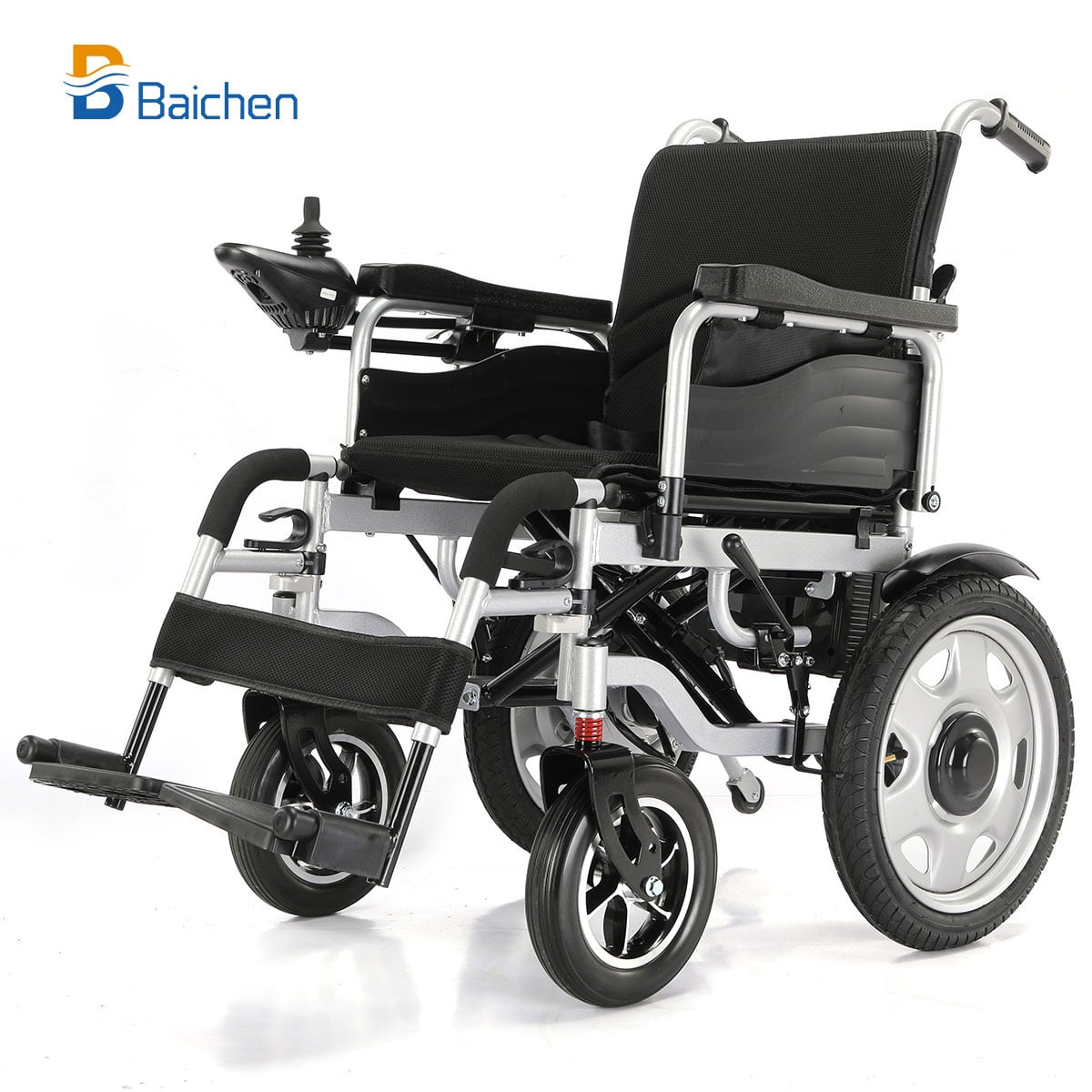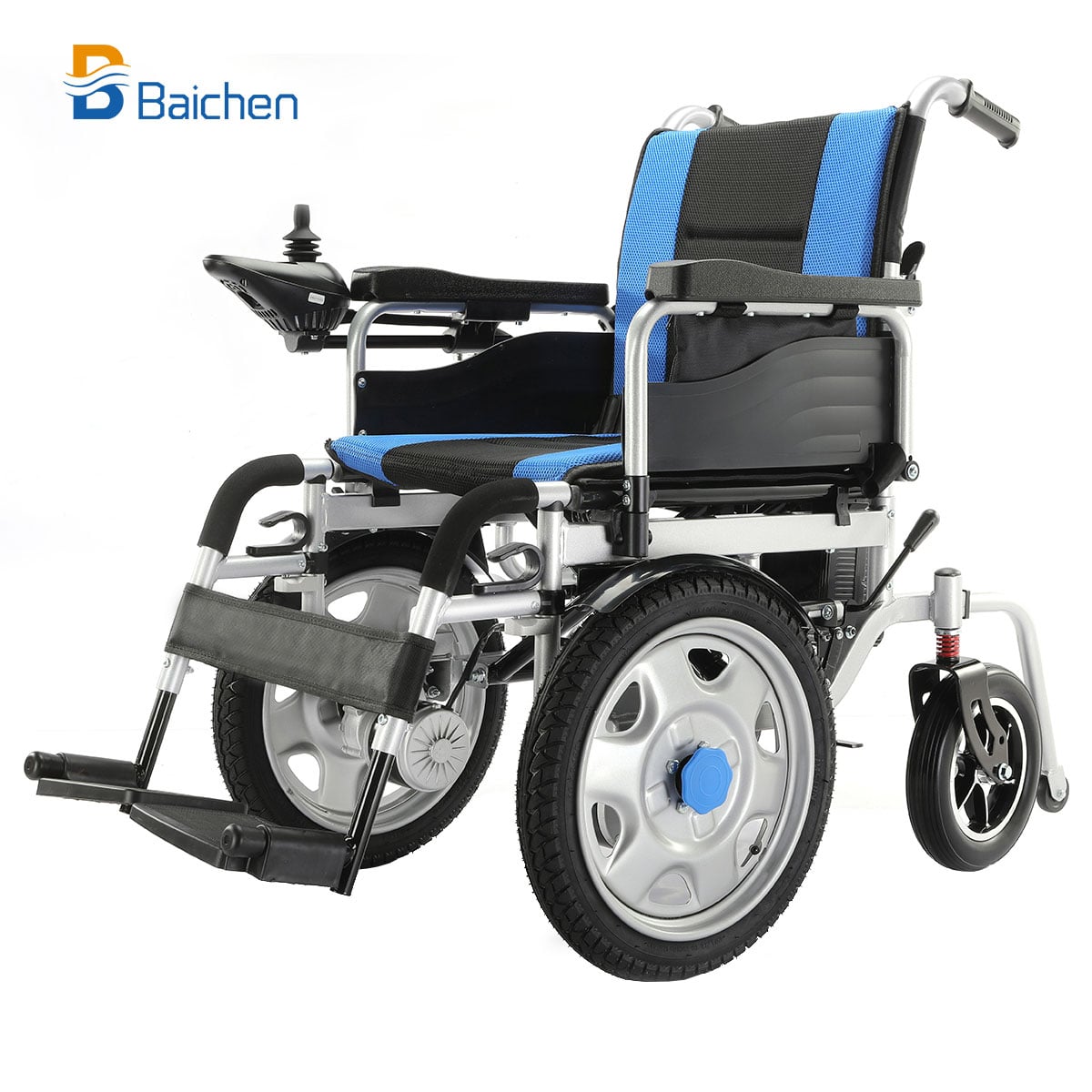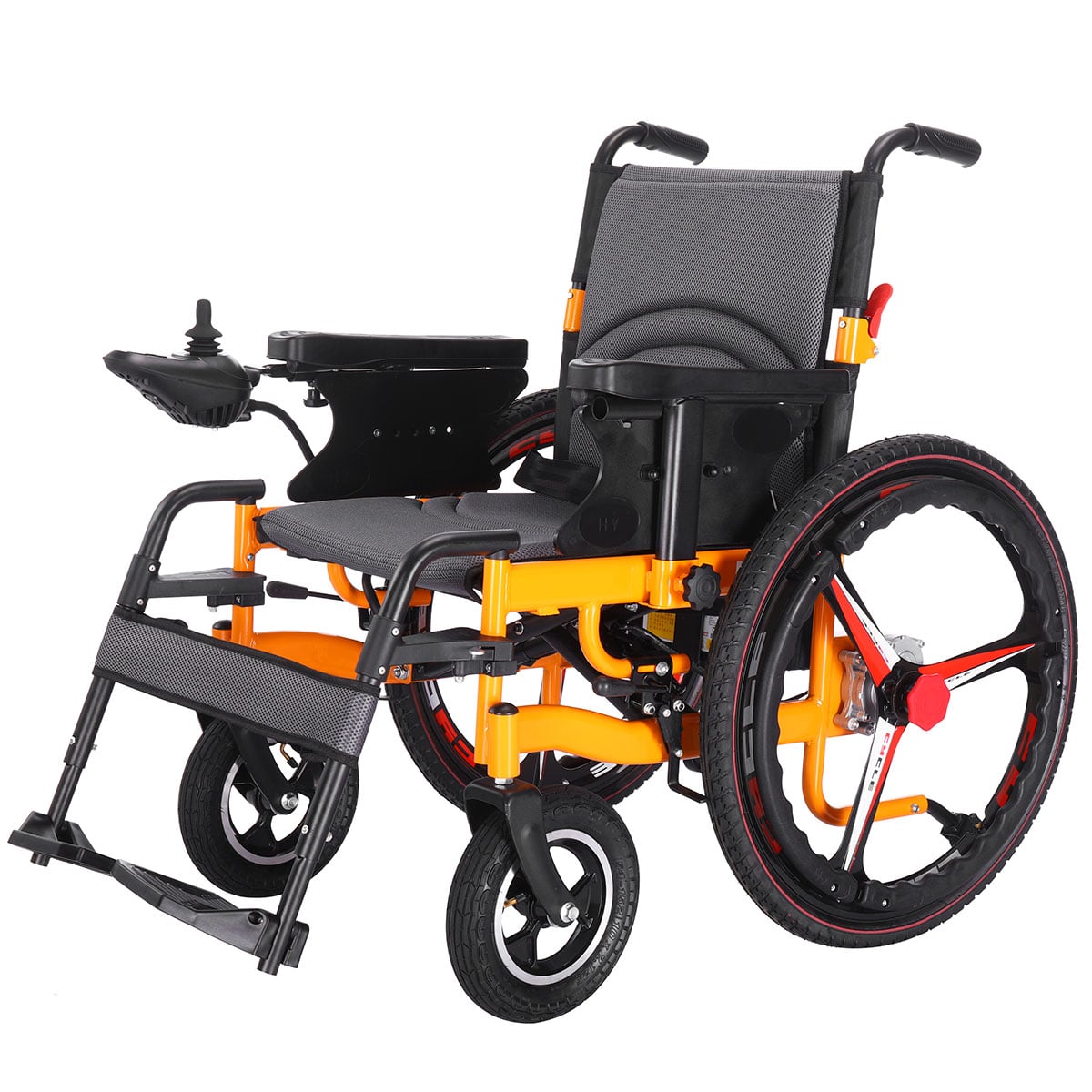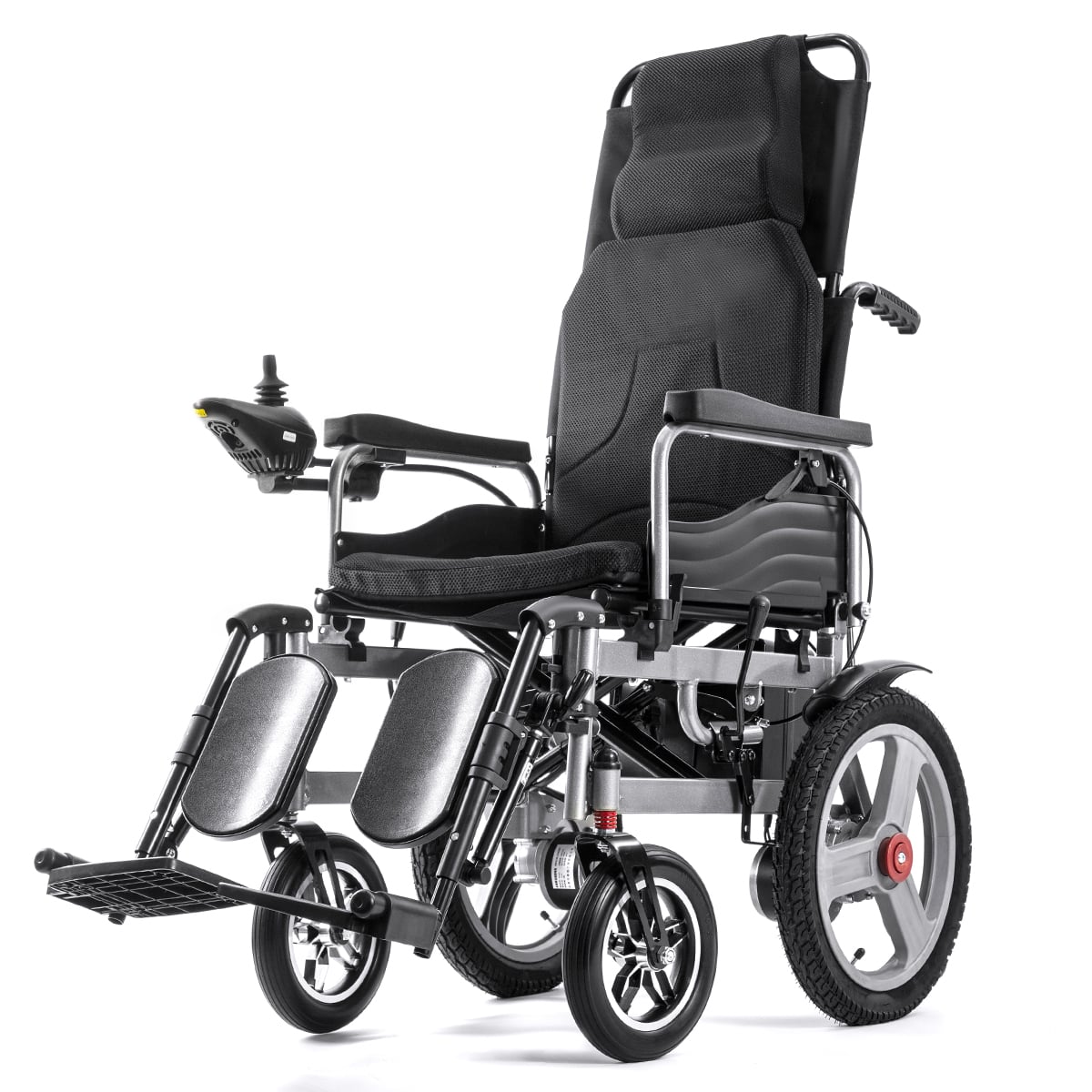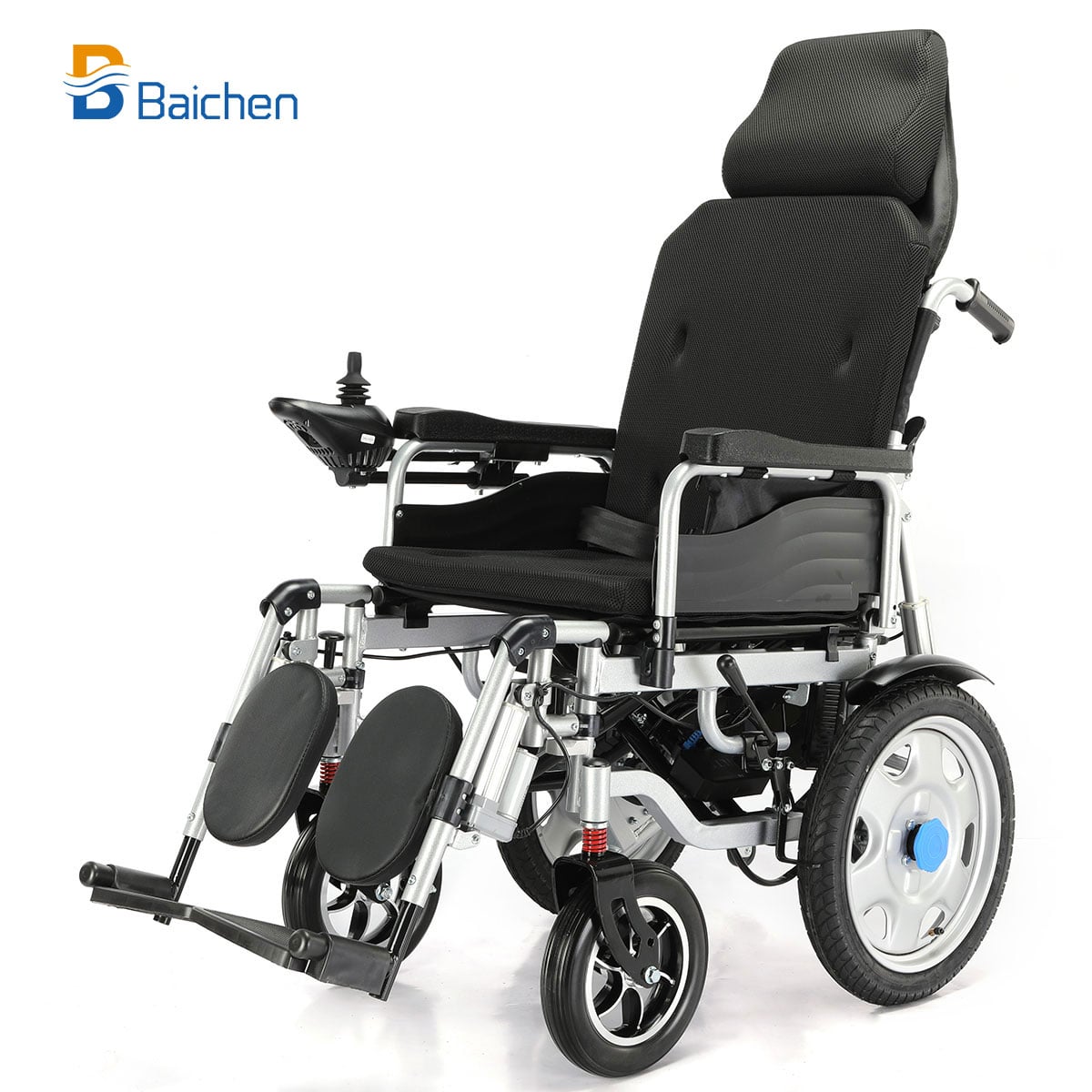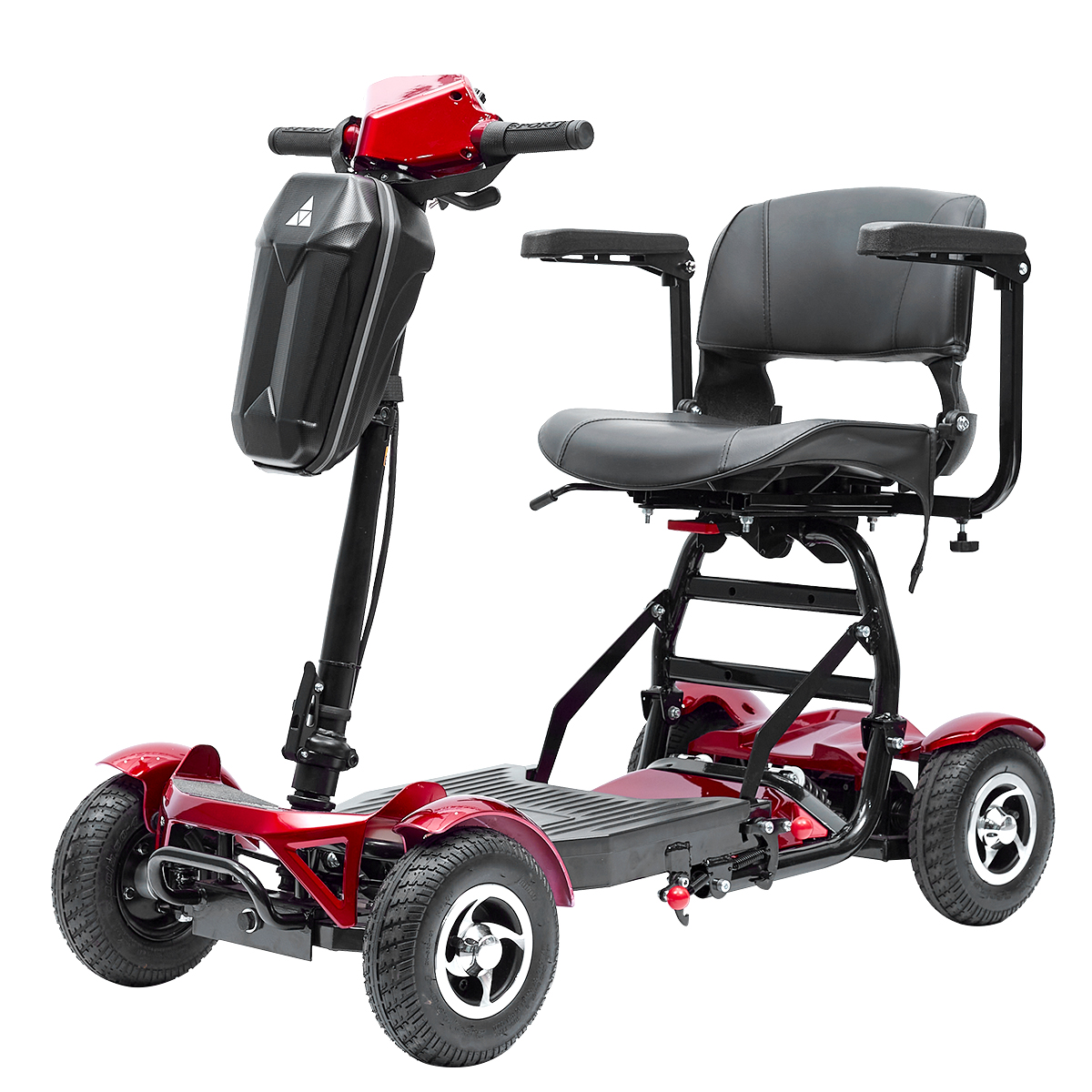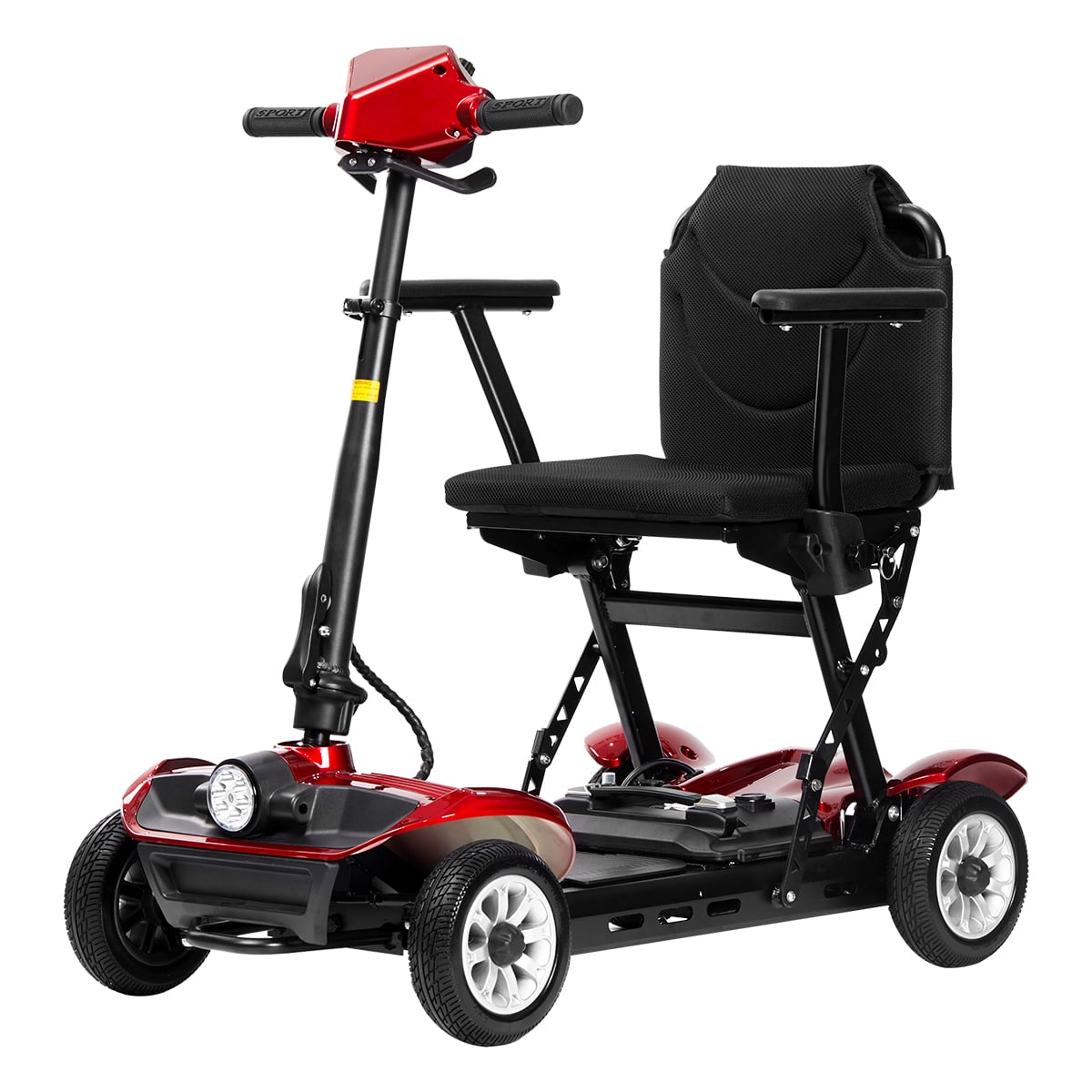
Zgodnie z najnowszymi danymi instytucji badawczych branżowych, światowy rynek elektrycznych wózków inwalidzkich ma przekroczyć 12 miliardów dolarów amerykańskich do roku 2030, utrzymując złożenny roczny wskaźnik wzrostu (CAGR) na poziomie ponad 8% w latach 2025–2030. Główne czynniki napędzające ten wzrost to ciągłe zwiększanie się liczby osób starszych na całym świecie, rosnące zapotrzebowanie na urządzenia wspomagające mobilność wśród pacjentów z chorobami przewlekłymi oraz osób poddawanych rehabilitacji popooperacyjnej oraz wyższe oczekiwania użytkowników dotyczące niezależnej mobilności i jakości życia.
Modernizacja funkcjonalności elektrycznych wózków inwalidzkich: od urządzeń rehabilitacyjnych do narzędzi codziennej mobilności
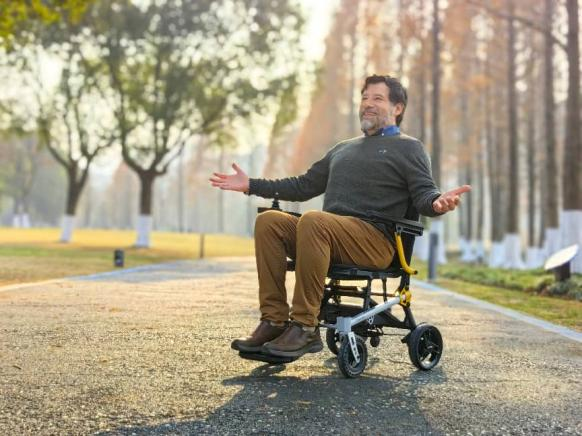
Zespół badawczy Baichen zauważył, że elektryczne wózki inwalidzkie stopniowo tracą swoje tradycyjne określenie jako „urządzenia medyczne do rehabilitacji”. Coraz częściej są one wykorzystywane przez osoby starsze w codziennych czynnościach – takich jak odwiedzanie sąsiadów, robienie zakupów spożywczych, połączenia komunikacyjne czy podróże na krótkie odległości. Ta zmiana funkcji stawia nowe wyzwania w zakresie projektowania produktów – w szczególności konieczność zapewnienia lekkiej konstrukcji, dłuższego zasięgu baterii oraz zwiększonej przenośności – a jednocześnie przyspiesza masowe wdrażanie zaawansowanych technologii, takich jak ramy z włókna węglowego i systemy akumulatorów litowo-jonowych.
Różne wzorce popytu regionalnego: Baichen stosuje zróżnicowaną strategię produktową
Z globalnej perspektywy regionalnej rynki Europy i Ameryki Północnej — wspierane dojrzałymi systemami opieki zdrowotnej oraz wysoką siłą nabywczą — wykazują silne zapotrzebowanie na wysokiej klasy elektryczne wózki inwalidzkie wyposażone w inteligentne systemy sterowania oraz zapewniające wyjątkowy komfort jazdy. Z kolei rynki wschodzące w regionach takich jak Azja Południowo-Wschodnia i Bliski Wschód kładą większy nacisk na opłacalność i łatwość konserwacji. Aby odpowiedzieć na te różnice, Baichen opracował wielopoziomową linię produktów wykorzystującą różnorodne materiały — w tym stopy żelaza, stopy aluminium oraz włókno węglowe — oraz oferującą opcje akumulatorów ołowiowo-kwasowych i litowo-jonowych, co pozwala precyzyjnie dostosować ofertę do konkretnych potrzeb użytkowników w różnych regionach.
Iteracja produktów oparta na danych: Baichen ciągle doskonali doświadczenie użytkownika
Centrum badań i rozwoju Baichen regularnie monitoruje globalne trendy związane z procesem starzenia się ludności, zmiany w nawykach konsumenckich na poszczególnych rynkach oraz postępy technologiczne, przekształcając tę bogatą bazę danych w konkretne wskaźniki służące ulepszaniu produktów. Na przykład, aby rozwiązać powszechne trudności użytkowników związane z wsiadaniem i wysiadaniem, firma dopracowała geometrię ramy oraz mechanizmy składania podstawek na stopy. Podobnie, w celu ułatwienia podróży na długie dystanse zoptymalizowano systemy zarządzania baterią oraz wydajność energetyczną silnika. W przyszłości Baichen będzie nadal kierować się danymi – wykorzystując swoje solidne kompetencje inżynieryjne i produkcyjne – aby dostarczać użytkownikom na całym świecie rozwiązań mobilności bezpieczniejszych, bardziej niezawodnych i wygodniejszych. Baichen jest przekonany, że połączenie precyzyjnych analiz danych z praktycznymi podejściami inżynieryjnymi stanowi podstawową ścieżkę zapewniania obsługi rosnącej liczby osób starszych na całym świecie oraz wspierania ciągłego rozwoju branży urządzeń wspomagających mobilność.
Ningbo Baichen Medical Devices Co., Ltd.
+86-18058580651
Baichenmedical.com/baichenmobility.com
 EN
EN
 AR
AR
 BG
BG HR
HR
 CS
CS
 DA
DA
 NL
NL
 FI
FI FR
FR
 DE
DE EL
EL
 IT
IT JA
JA
 KO
KO
 NO
NO PL
PL PT
PT RO
RO
 RU
RU
 ES
ES
 SV
SV
 TL
TL
 IW
IW
 ID
ID
 LV
LV
 LT
LT
 SR
SR
 SK
SK
 SL
SL
 VI
VI
 HU
HU
 TH
TH
 TR
TR
 FA
FA
 GA
GA
 CY
CY