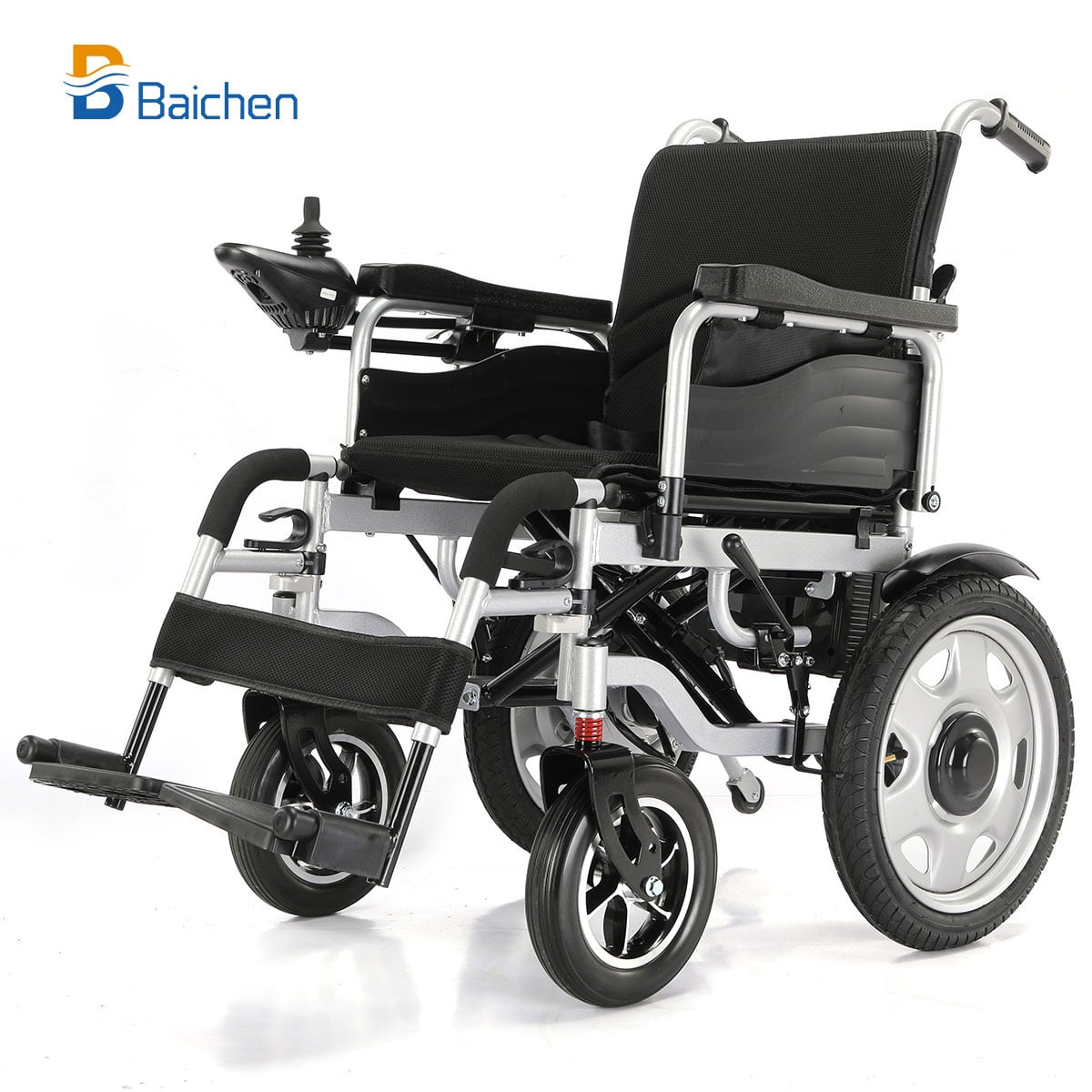
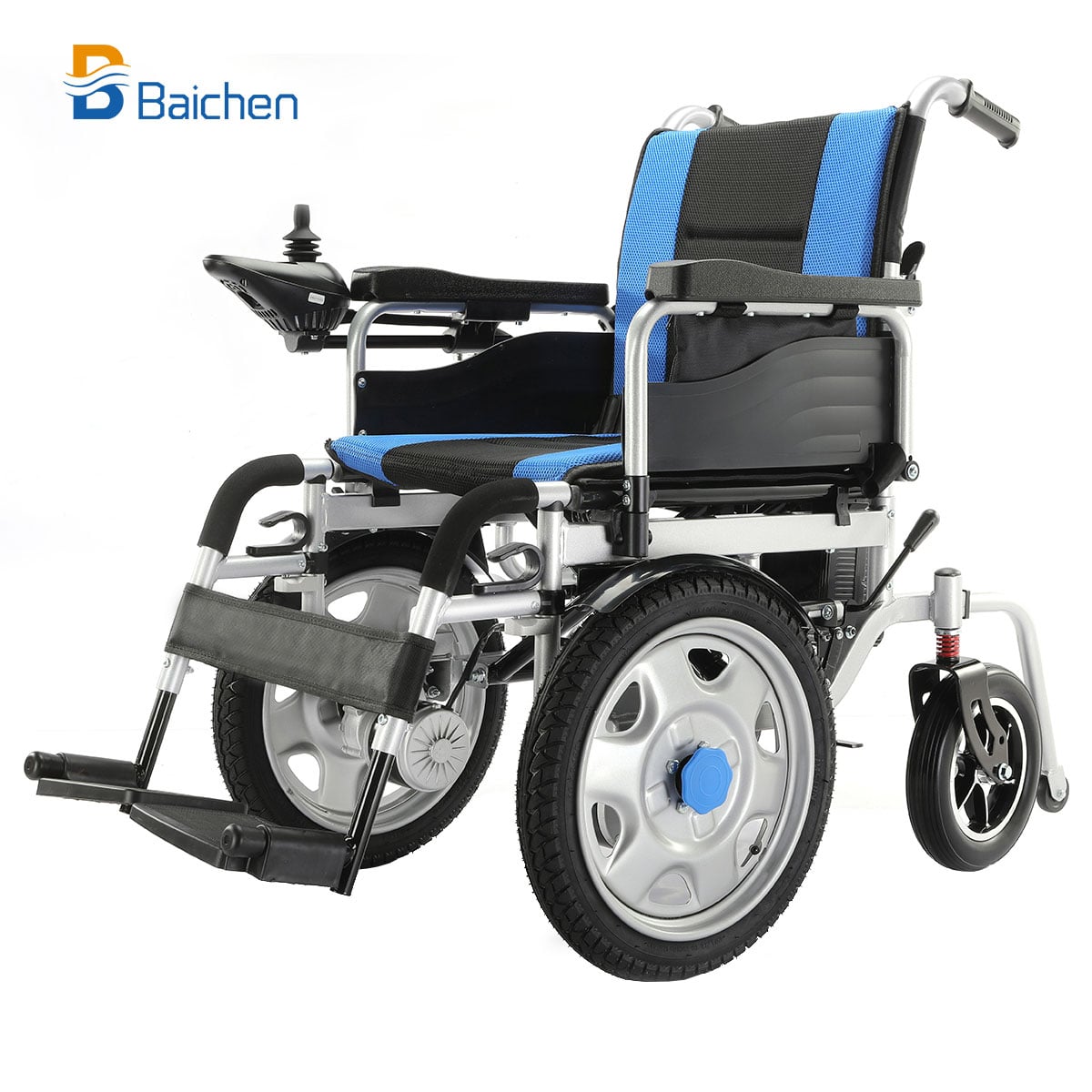
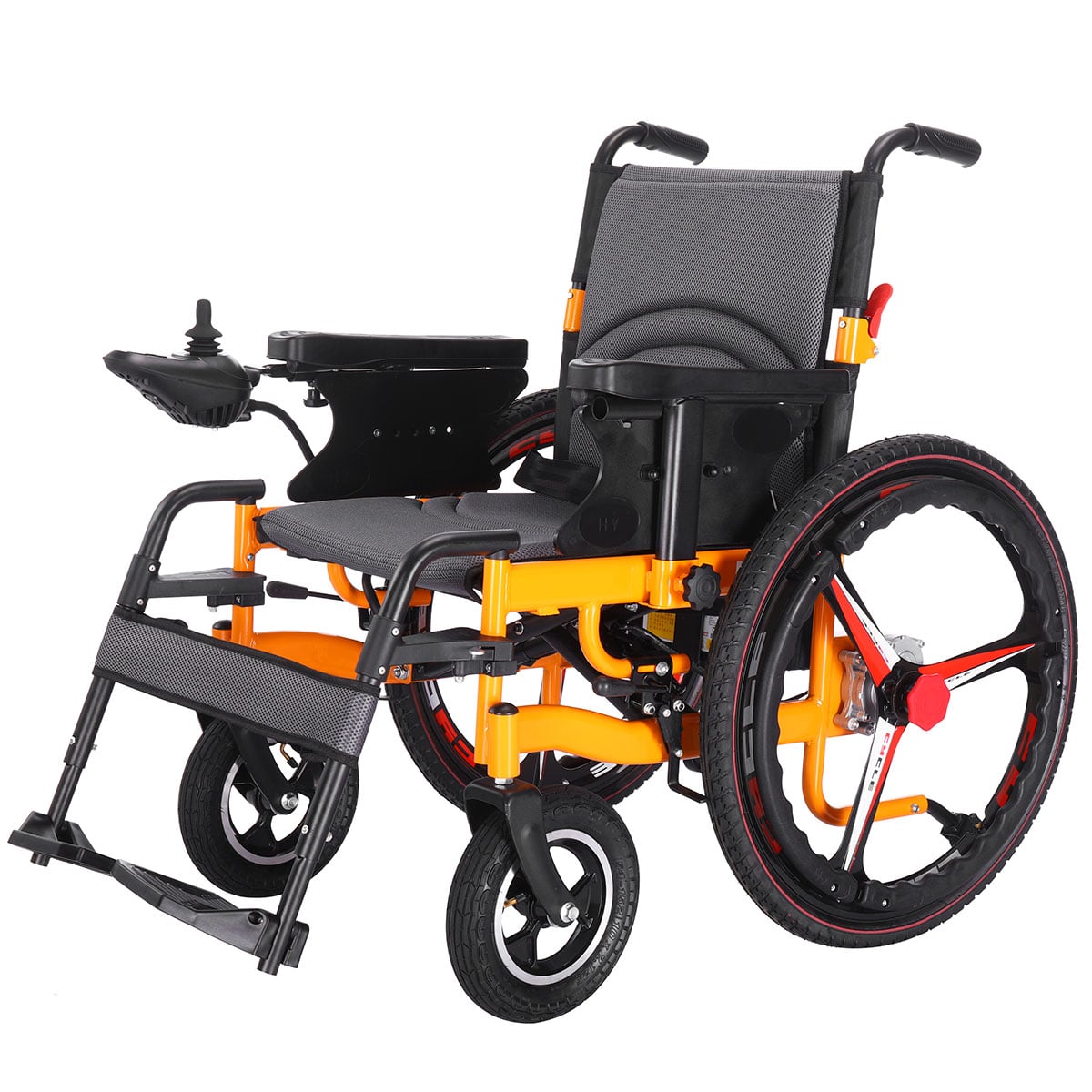
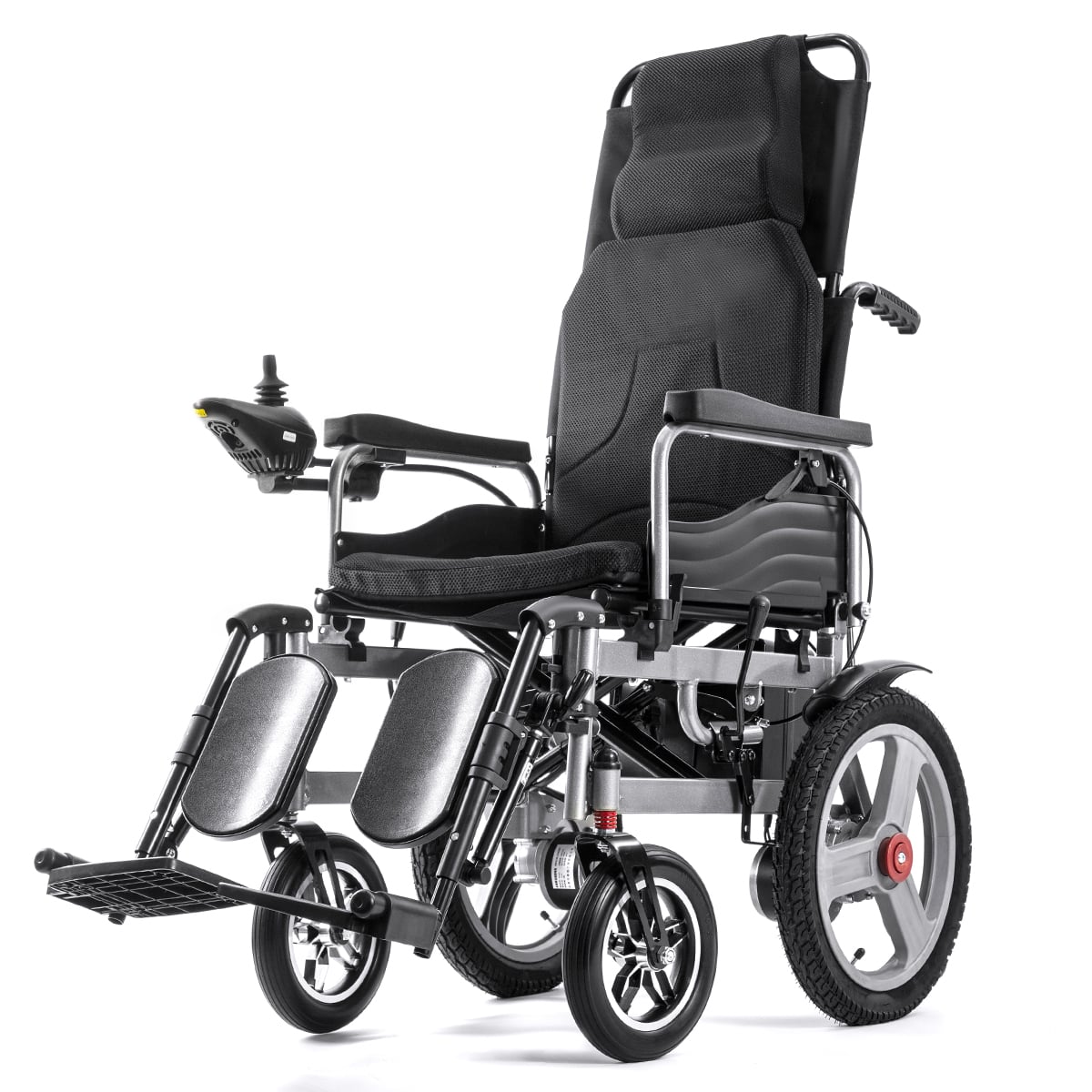
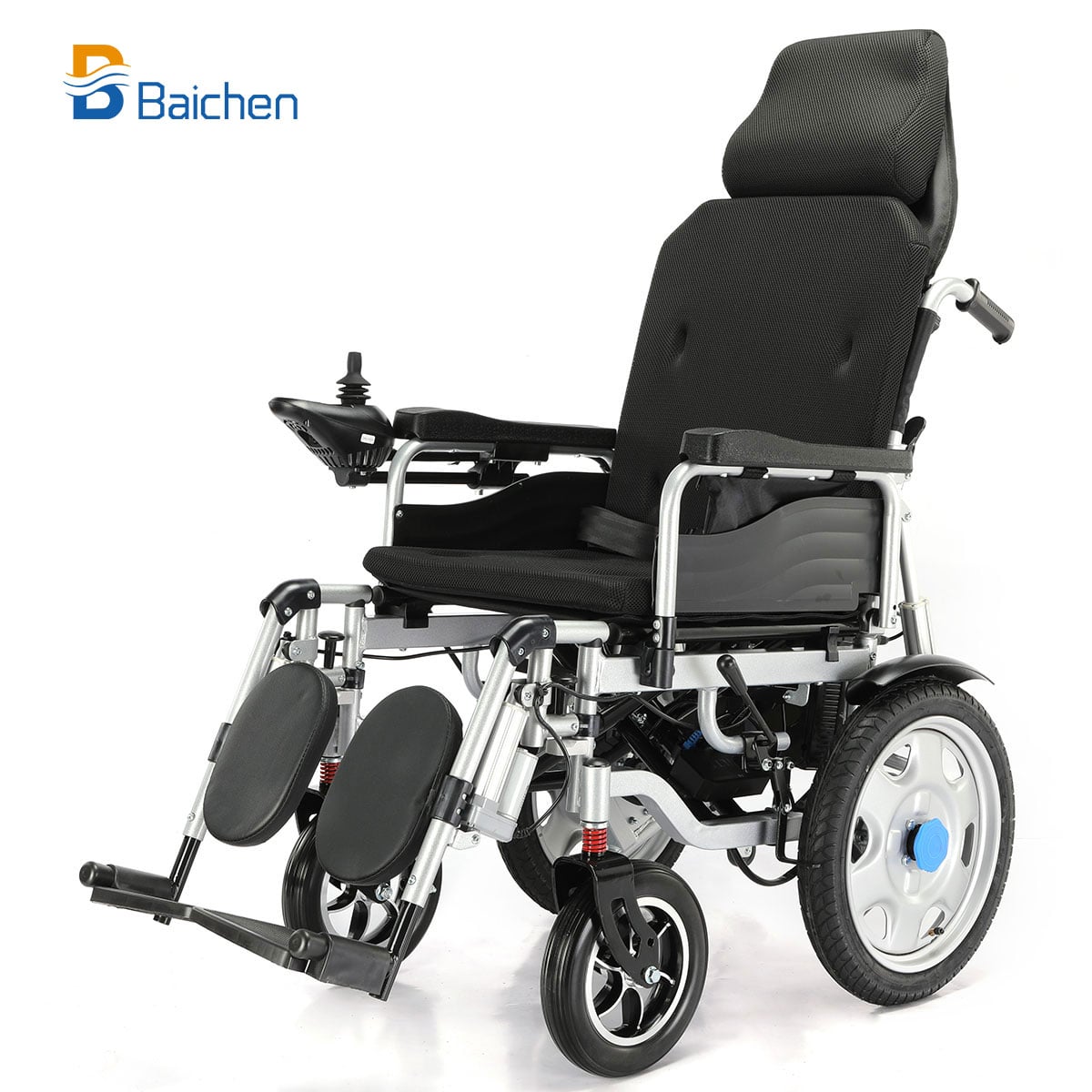
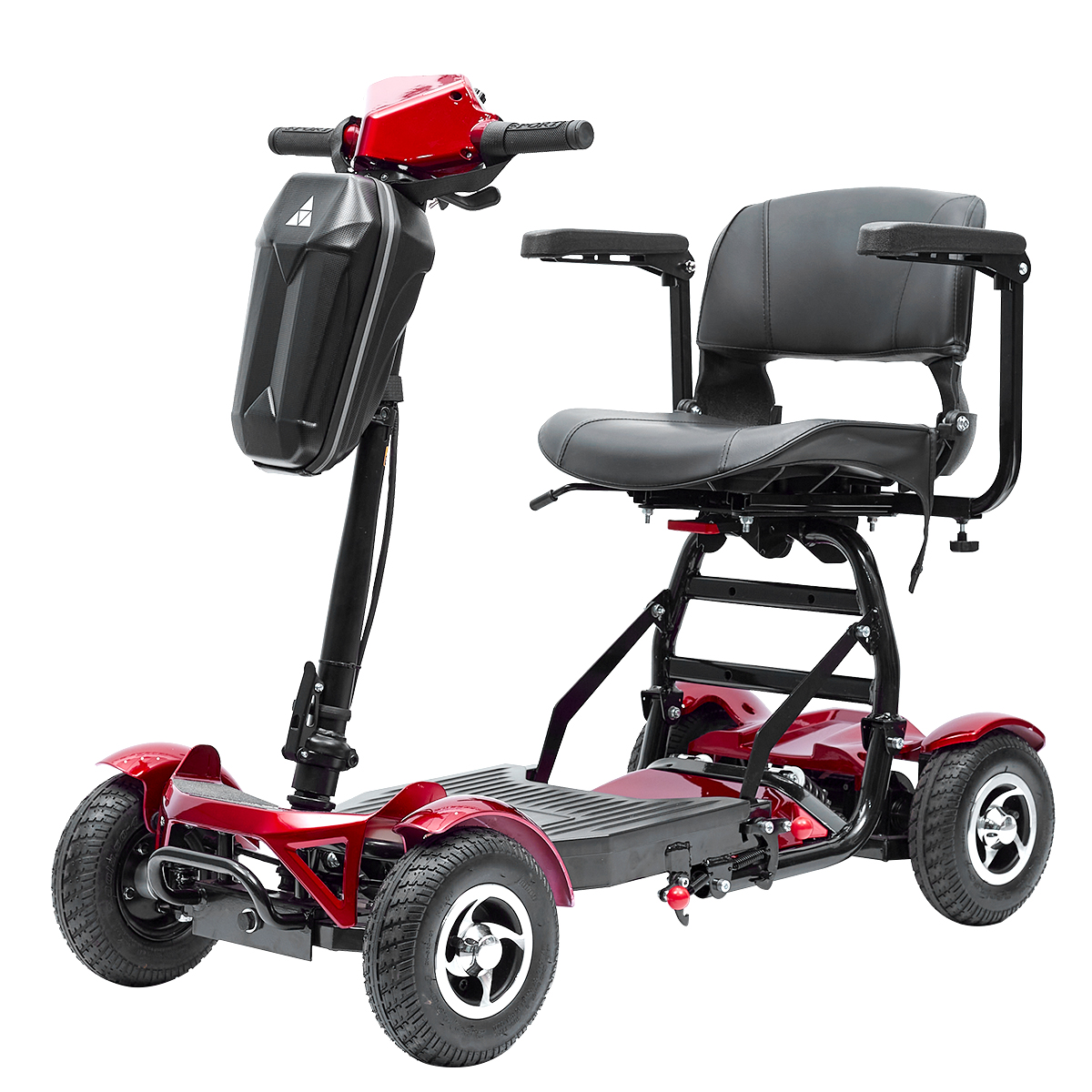
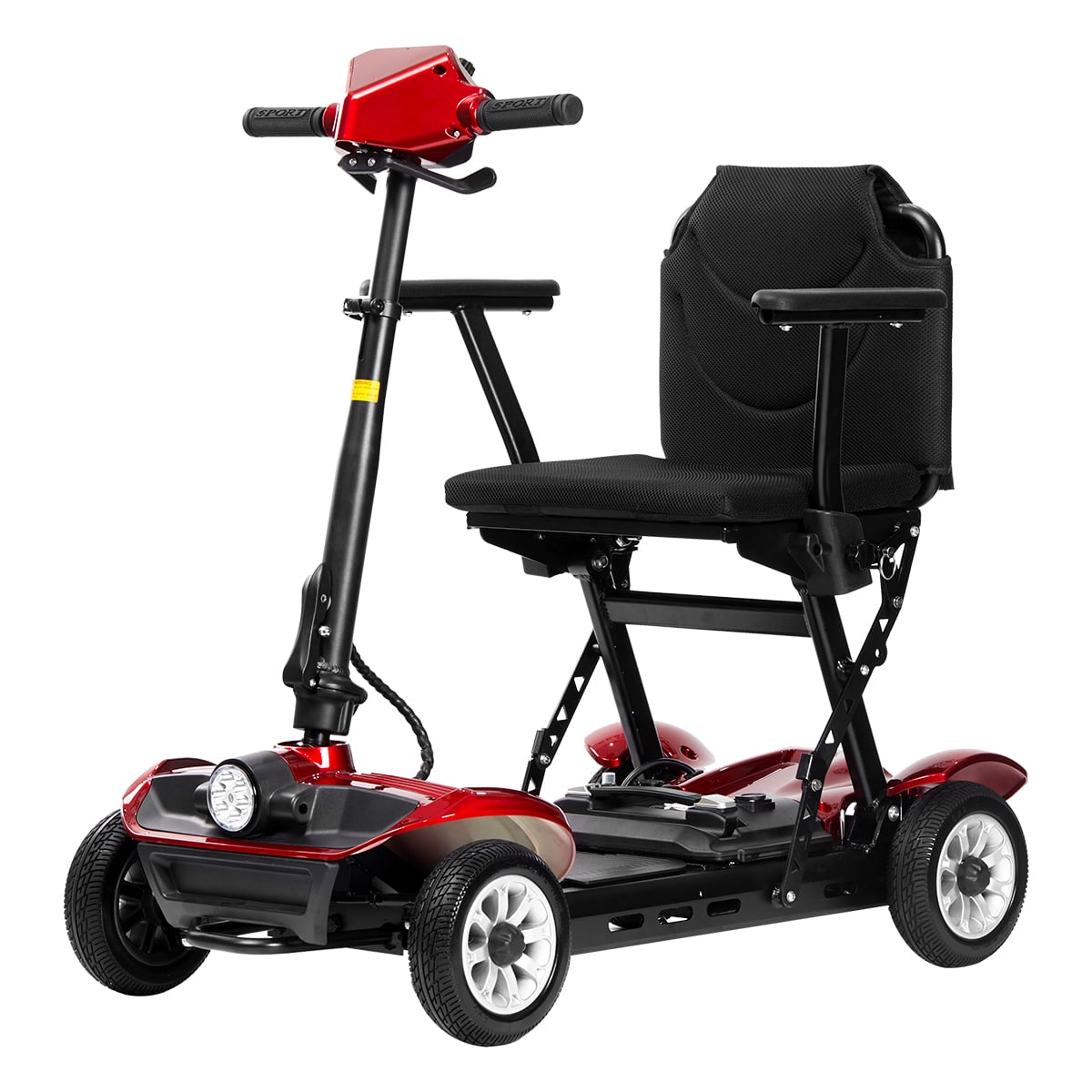
في اليابان — الدولة التي تمتلك أعلى معدل تقدم في السن في العالم — تجاوزت الكراسي المتحركة الكهربائية ودراجات التنقُّل الكهربائية منذ زمنٍ بعيد دورها التقليدي كـ"أجهزة طبية للتأهيل"، وتطوَّرت لتكون رفقاءً في التنقُّل مدمجةً بسلاسة في الحياة اليومية. وقد أكمل فريق بحوث السوق الخارجي لدى شركة «بايتشن» مؤخرًا دراسةً متخصصةً تركز على وسائل التنقُّل الصديقة لكبار السن في اليابان. وتُظهر النتائج منهجيةً منتجيةً مميَّزةً في السوق اليابانية تختلف عن تلك السائدة في أوروبا وأمريكا الشمالية: إذ تشكِّل «التصميم الضيق الجسم» و«الخفة في الوزن» و«الدقة في المناورة» الأعمدة الثلاثة الأساسية لفلسفة التصميم اليابانية. وهذه الرؤى القيِّمة المستمدة من بلدنا الجار قد بدأت الآن تُغذّي مبادرات تطوير منتجات «بايتشن» بمنظورٍ جديد.

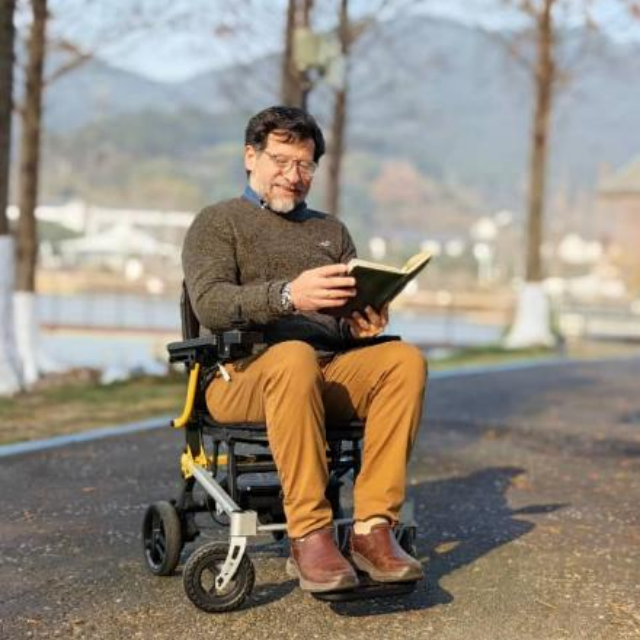
أولًا: التصميم الضيق الجسم: التحرُّك ضمن «أدنى أبعاد التصريف» في المنازل والمرافق العامة اليابانية
عادةً ما تتراوح عرض المداخل في المنازل اليابانية النموذجية بين ٧٠ و٧٥ سنتيمترًا (مُلتزمةً بالمعيار التقليدي «١,٦ شاكو»)؛ وفي بعض العقارات المؤجَّرة وشقق الإسكان الخاص بكبار السن، قد تكون هذه المداخل أضيقَ حتى ٦٥ سنتيمترًا. وبالمقارنة، فإن الكراسي المتحركة القياسية في أوروبا وأمريكا الشمالية تتراوح عادةً بين ٦٥ و٦٨ سنتيمترًا في العرض؛ وبمجرد إضافة مسندَي الذراعين، يتجاوز عرضها الفعلي المسموح به غالبًا ٧٠ سنتيمترًا، مما يجعل التنقُّل الداخلي داخل المساحات اليابانية صعبًا للغاية.
وبالتالي، تفرض السوق اليابانية حدودًا صارمة فيما يتعلق بالعرض الأقصى للكراسي المتحركة الكهربائية. فبالنسبة للطرازات الشائعة، يُتحكم بدقة في عرض المركبة الإجمالي ضمن نطاق يتراوح بين ٥٨ و٦٢ سنتيمترًا. علاوةً على ذلك، صُمّمت مساند الذراعين لتكون قابلة للطي نحو الأعلى أو الانسحاب نحو الداخل، ما يسمح بتقليل إضافي في العرض الجانبي بمقدار ١٠ إلى ١٥ سنتيمترًا. وبالمثل، صُمّمت المرافق العامة في اليابان — ومنها بوابات الدوران في مترو الأنفاق ومداخل محلات الراحة والكابينات الخاصة بالحمامات العامة — وفق معيار ارتفاع فراغي قدره ٦٠ سنتيمترًا، ما يستلزم أن تكون الكراسي المتحركة قادرة على المرور «بشكل مباشر» دون الحاجة إلى أن يلوي المستخدم جسده جانبيًّا أو يتحرك للخلف.
وباعتماد هذه المعايير اليابانية كمعيار مرجعي، صمّم فريق التصميم في شركة بايتشن نموذج الكرسي المتحرك الجديد المصنوع من سبائك الألومنيوم لعام ٢٠٢٥، بحيث انخفض عرض هيكله ليصبح ٥٩ سنتيمترًا فقط. ويتميّز هذا النموذج أيضًا بمسندَي ذراعين قابلين للإزالة السريعة بنقرة واحدة، ما يسمح للمستخدمين بفصل مسندَي الذراعين تمامًا في غضون ثلاث ثوانٍ أو أقل، والتنقُّل بنجاح عبر ممرات لا يتجاوز عرضها ٥٥ سنتيمترًا. وخلال مرحلة المبيعات التجريبية في وكالات شركة بايتشن اليابانية، أشارت آراء المستخدمين إلى تحسُّن بنسبة ٧٠٪ في قدرة الكرسي المتحرك على التنقُّل بنجاح عبر المساحات الضيِّقة.
ثانيًا: البناء الخفيف الوزن: تلبية الحاجة العملية إلى «الرفع بيدي واحدة» من قِبل مقدِّمات الرعاية من الإناث وكبار السن
في المنازل اليابانية، غالبًا ما يكون الأشخاص الذين يعتنون بشكل رئيسي بمستخدمي الكراسي المتحركة هم الزوجات اللواتي تجاوزن سن ٦٥ عامًا أو النساء في منتصف العمر أو كبار السن — وهؤلاء الأفراد عادةً ما يتمتعون بقوة جسدية محدودة نسبيًّا. ونتيجةً لذلك، فإن السوق الياباني حساسٌ للغاية تجاه «وزن الكرسي المتحرك القابل للطي»؛ إذ لا يقتصر الطلب على أن يكون الوزن الإجمالي للكرسي خفيفًا بما يكفي فحسب، بل يتعدى ذلك إلى ضرورة ألا يتجاوز وزن كل مكوِّنٍ من مكوناته بعد فكه نطاقًا يمكن للمرأة أن ترفعه بسهولة بيدها الواحدة (عادةً لا يزيد عن ٨ كيلوجرامات).
تعتمد العلامات التجارية اليابانية الرائدة عمومًا فلسفة تصميم تتمثل في «فصل الإطار عن البطارية وعن المقعد»: حيث يبلغ وزن الإطار الرئيسي ١٢–١٤ كيلوجرامًا، ووزن وحدة البطارية ٢–٣ كيلوجرامات، ووزن وسادة المقعد ١–٢ كيلوجرام. ويمكن للمستخدمين نقل هذه المكونات على ثلاث دفعات منفصلة، مما يسمح بتخزينها بسهولة في صندوق أمتعة سيارة *كي* (السيارة الخفيفة) أو داخل خزانة التخزين الموجودة عند مدخل المنزل.
واستلهمت شركة بايتشن من هذه الفكرة تطوير هيكل «قابل للانفصال إلى ثلاثة أجزاء»، استنادًا إلى سلسلتها الحالية من الكراسي المصنوعة من ألياف الكربون القابلة للطي. وفي هذا التصميم، تعمل وسادة المقعد وحزمة البطارية والإطار الرئيسي كوحدات مستقلة يمكن فصلها بسرعة؛ ومن الجدير بالذكر أن أثقل مكوّنٍ فيه —وهو الإطار الرئيسي— لا يزن سوى ١٢٫٥ كجم. وبفضل عجلات عربة نقل محمولة مُضمَّنة في التصميم القياسي، يمكن سحب الجهاز بسهولة عبر الأسطح المستوية تمامًا مثل حقيبة السفر، مما يلغي تمامًا عناء الانحناء لرفعه أو حمله. وقد تم بالفعل تقديم طلبات براءة اختراع لنماذج الاستخدام لهذا التصميم في كلٍّ من الصين واليابان.
ثالثًا. التحكم الدقيق: الدقة التشغيلية لانتقالات سلسة بين قطارات الأنفاق والحافلات
يتميز نظام النقل العام في اليابان بدرجة عالية من التيسير لمستخدمي الكراسي المتحركة؛ ومع ذلك، فإنه يفرض في الوقت نفسه متطلبات صارمة جدًّا فيما يتعلق بدقة التحكم في حركة الكرسي المتحرك. فعلى سبيل المثال:
فجوات المنصات: على بعض خطوط السكك الحديدية الأقدم، توجد فجوة جانبية بعرض ٣–٥ سنتيمترات بين القطار ومنصة المحطة؛ وهذا يتطلب أن تدخل عجلات الكرسي المتحرك الأمامية الفجوة بزاوية دقيقة لمنع انسدادها أو عَلْقِها.
المنحدرات المستخدمة للصعود: عادةً ما يبلغ عرض المنحدرات المخصصة للوصول عند مداخل الحافلات ٥٠–٦٠ سنتيمترًا؛ وبالتالي يجب أن يتحرك الكرسي المتحرك في خطٍ مستقيم تمامًا، مع الحفاظ على انحراف جانبي لا يتجاوز سنتيمترين.
أزرار المصاعد: في اليابان، توضع أزرار المصاعد العامة عادةً على ارتفاع ٩٠–١٠٠ سنتيمتر فوق الأرض، وغالبًا ما تكون مرتبة بالقرب من بعضها البعض؛ وهذا يستلزم من المستخدمين استخدام ذراع التحكم (الجويستيك) لإجراء تعديلات دقيقة جدًّا بدقة تصل إلى المليمتر.
ولمعالجة هذه السيناريوهات المحددة، فإن الكراسي المتحركة الكهربائية الفاخرة في اليابان مزودة عادةً بوضع «السلحفاة» (الذي يحدّ من أقصى سرعة عند ٢ كم/ساعة) ووظيفة استجابة غير خطية للوح التحكم (حيث يؤدي دفع خفيف لوح التحكم إلى توليد ٥٪ فقط من أقصى إخراج للطاقة). وباستخدام تقنية التحديث عن بُعد عبر الهواء (OTA)، قام فريق بايتشن التقني بنشر «برنامج ثابت حصري لليابان» على سلسلة الكراسي المتحركة S التي يتم تصديرها إلى السوق اليابانية، مقدّمًا وضع «التوصيل بالقطار» المتخصص المصمم خصيصًا لهذه السيناريوهات الانتقالية. وفي هذا الوضع، تنخفض حساسية لوحة التحكم بنسبة ٦٠٪، ويتم تقصير زمن تأخّر الفرملة الإلكترونية ليصل إلى ٠٫١ ثانية فقط، ما يمكن المستخدمين من التنقّل عبر الفراغات بين الرصيف والقطار والمنحدرات الضيّقة بثقة وسهولة.
رابعًا: التفاصيل المرتكزة على المستخدم: من «الدواسات القابلة للتشغيل بواسطة أصابع القدم» إلى «الشرائط العاكسة الليلية»
ما يجعل التصاميم اليابانية الصديقة لكبار السن في الغالب جذّابةً للغاية ليس مواصفاتها الفنية فحسب، بل تلك التفاصيل الصغيرة التي تتميّز بالتفكير العميق والدقيق:
مساند القدمين التي تُفعَّل بالقدم: فهي تلغي الحاجة إلى الانحناء عند الصعود أو النزول من الكرسي المتحرك، حيث يمكن للمستخدمين ببساطة استخدام أصابع أقدامهم لرفع مساند القدمين نحو الأعلى.
شرائط عاكسة للضوء للاستخدام الليلي: وتشترط القوانين اليابانية أنه عند تشغيل الكراسي المتحركة ليلاً، يجب تركيب مواد عاكسة على الجوانب والخلفية—وبشكلٍ خاصٍ باللون الأصفر أو البرتقالي—لكي تظل مرئيةً بوضوح.
وقد أصبحت الكراسي المتحركة المُعدّة خصيصاً من قِبل شركة «بايتشن» للسوق الياباني تضم الآن جميع التفاصيل المذكورة أعلاه كتجهيزات قياسية في كامل خط إنتاجها. ومن الجدير بالذكر أن آلية «مساند القدمين التي تُفعَّل بالقدم» تعتمد في تصميمها على نظام زنبركي مساعد؛ إذ يكفي أن يُطبّق المستخدم قوةً مقدارها كيلوجرام واحد فقط لطي مساند القدمين، مما يقلّل بشكلٍ كبيرٍ من الإجهاد الواقع على أسفل الظهر.
مبادرة بايتشن: اعتماد اليابان كمعيارٍ لتعزيز التصميم العالمي
وبسبب القيود المكانية القصوى المفروضة عليه والمتطلبات الدقيقة جدًا من قِبل مستخدميه، يُعَدّ السوق الياباني بمثابة "معيارٍ حقيقي" لتصميم الكراسي المتحركة الكهربائية المرتكز على الإنسان. وقد أمضت شركة بايتشن سنوات عديدة في مراقبة سجلات الاستخدام الخاصة بـ ٥٠ أسرة يابانية عن كثب. وبحلول عام ٢٠٢٦، تخطط بايتشن لإدخال ثلاث تقنياتٍ مُجربة وناضجة تدريجيًّا في خطوط إنتاجها المخصصة للأسواق الأوروبية وجنوب شرق آسيا: هي الهيكل الضيق الجسم، وهيكل النقل المنفصل، ووضعية "سرعة السلحفاة".
ونحن نؤمن إيمانًا راسخًا بأن أدوات التنقُّل الاستثنائية حقًّا لكبار السن يجب أن تكون قادرةً على المرور بكل سهولة عبر كل باب ضيّق، والتنقُّل بسلاسة فوق كل عتبة، ومرافقة كل رحلة بهمسٍ خافت. وستواصل بايتشن تطوير منتجاتها من منظور عالمي، لضمان أن تمثِّل الكراسي المتحركة التي تحمل العلامة «مصنوعة في الصين بذكاء» نفس الإحساس العميق بال 따ّب الإنساني الدافئ.
إذا كنت مهتمًّاً بالمنتجات المخصصة من شركة بايتشن، ندعوك لزيارة الموقع الرسمي لشركة بايتشن.
نينغبو بايتشين لأجهزة طبية المحدودة،
+86-18058580651
Baichenmedical.com
 EN
EN
 AR
AR
 BG
BG HR
HR
 CS
CS
 DA
DA
 NL
NL
 FI
FI FR
FR
 DE
DE EL
EL
 IT
IT JA
JA
 KO
KO
 NO
NO PL
PL PT
PT RO
RO
 RU
RU
 ES
ES
 SV
SV
 TL
TL
 IW
IW
 ID
ID
 LV
LV
 LT
LT
 SR
SR
 SK
SK
 SL
SL
 VI
VI
 HU
HU
 TH
TH
 TR
TR
 FA
FA
 GA
GA
 CY
CY