When you customize an electric wheelchair, begin with the person and the market, not with a color chart. Your new logo or upholstery choice may be simple, while a different battery, controller, wheel or folding mechanism can change performance, documents, packaging and spare-parts compatibility. When every request arrives separately, small changes quickly become a confusing project.
Our team at Baichen helps buyers organize those ideas around a stable base platform. We first ask who will use the chair, where it will travel, how it will be sold and who will support it. Then we can review possible changes through our customization service and record the agreed configuration. This keeps a custom electric wheelchair personal and market-relevant without losing production control.
Our quick answer
Choose the base chair first. After that, describe each requested change in a controlled specification and review its effect on function, safety, documentation, packaging, timing and service. We recommend approving revisions in writing so your sample, quotation and production order refer to the same chair. Customization works best when both teams can see what changed and why.
For an electric wheelchair OEM project, base-model selection determines most of the future product. Begin with the use case and shortlist only platforms that meet the essential structural and functional needs.
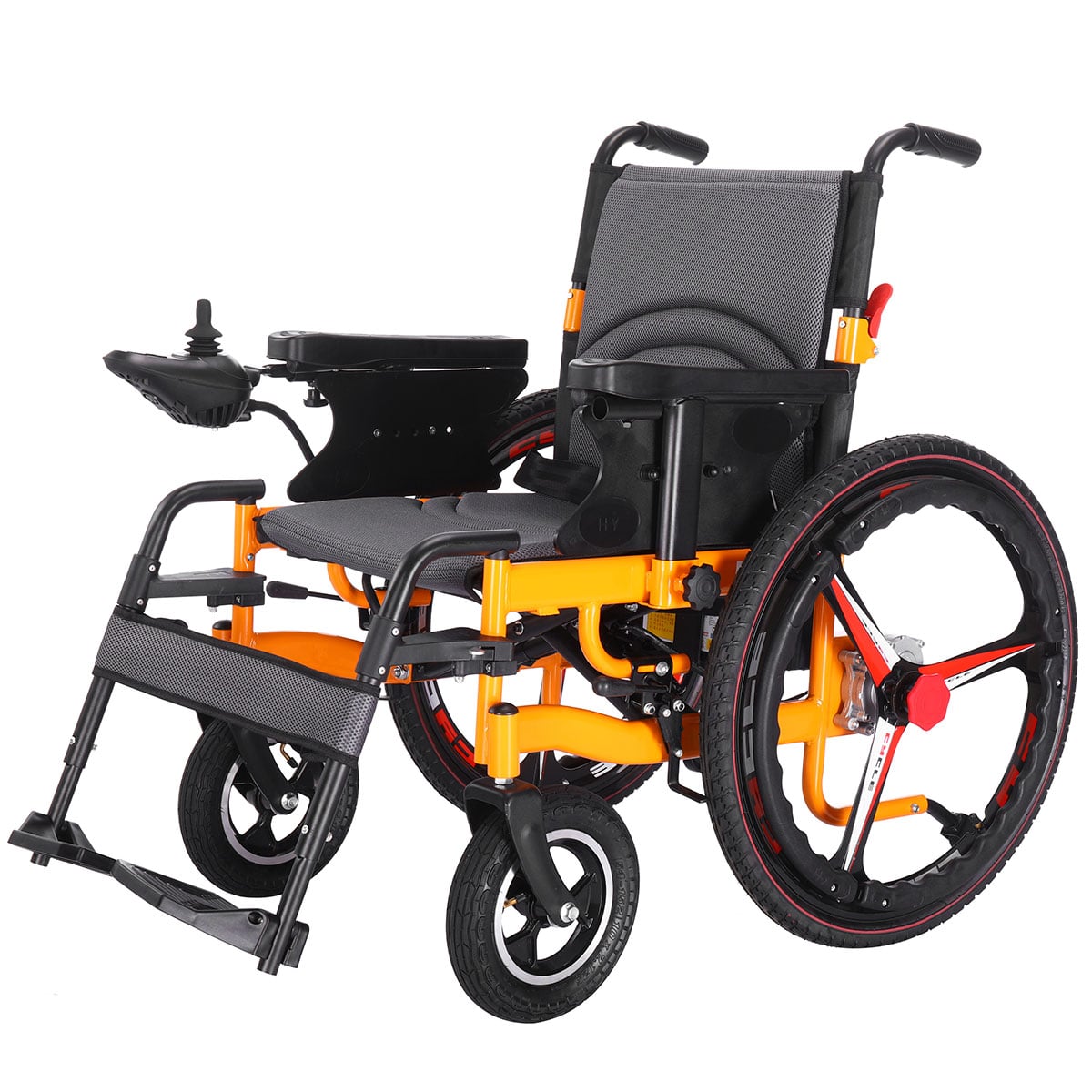
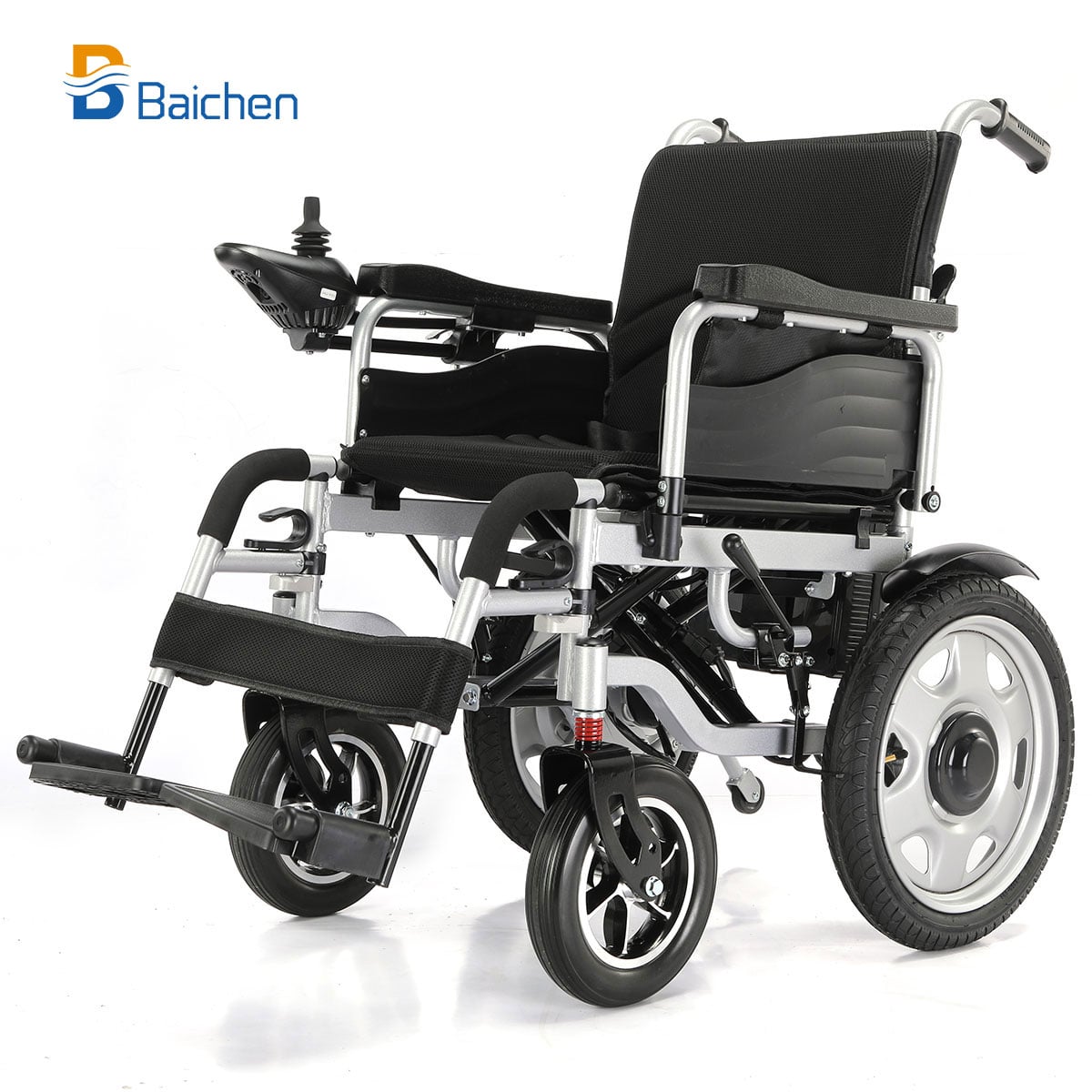
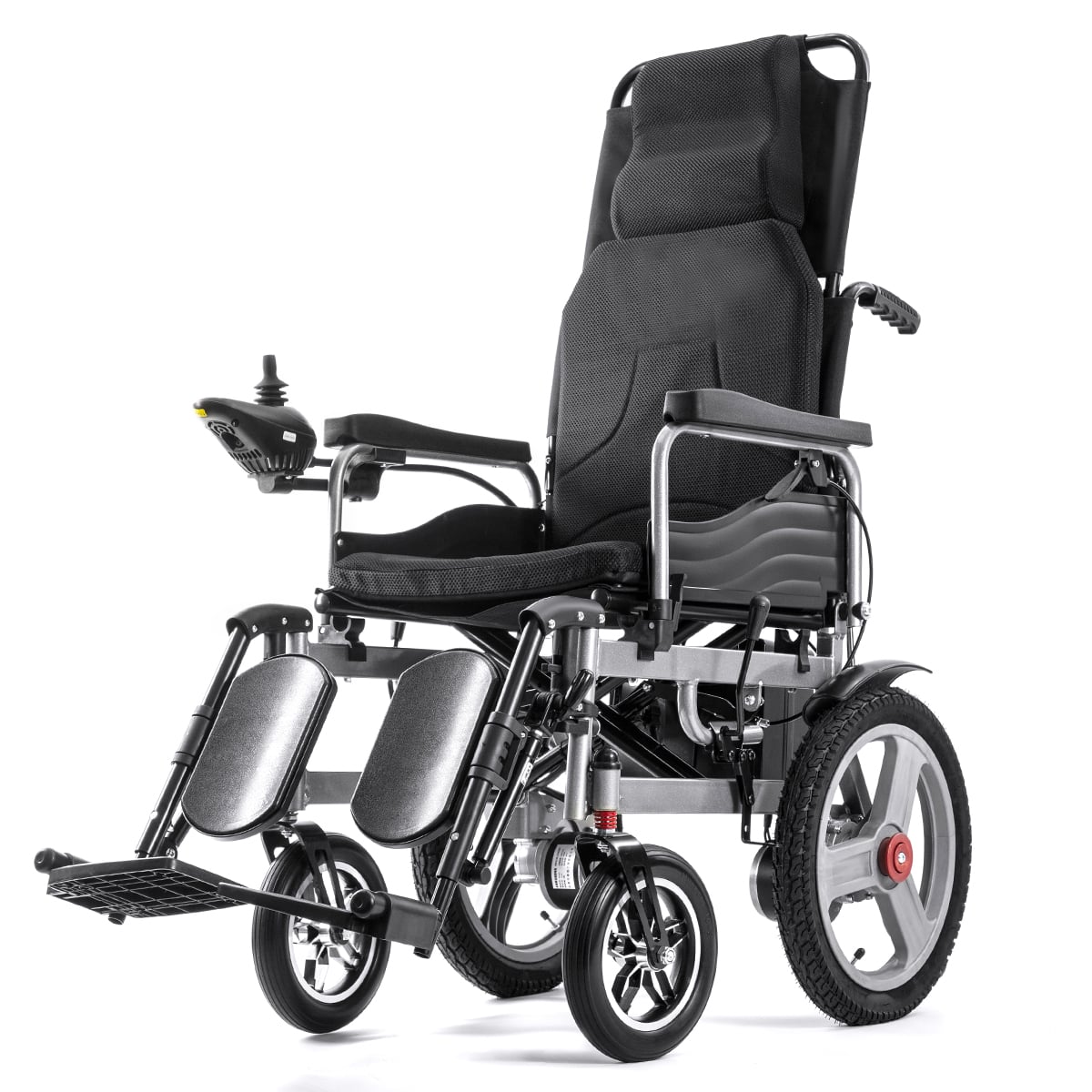
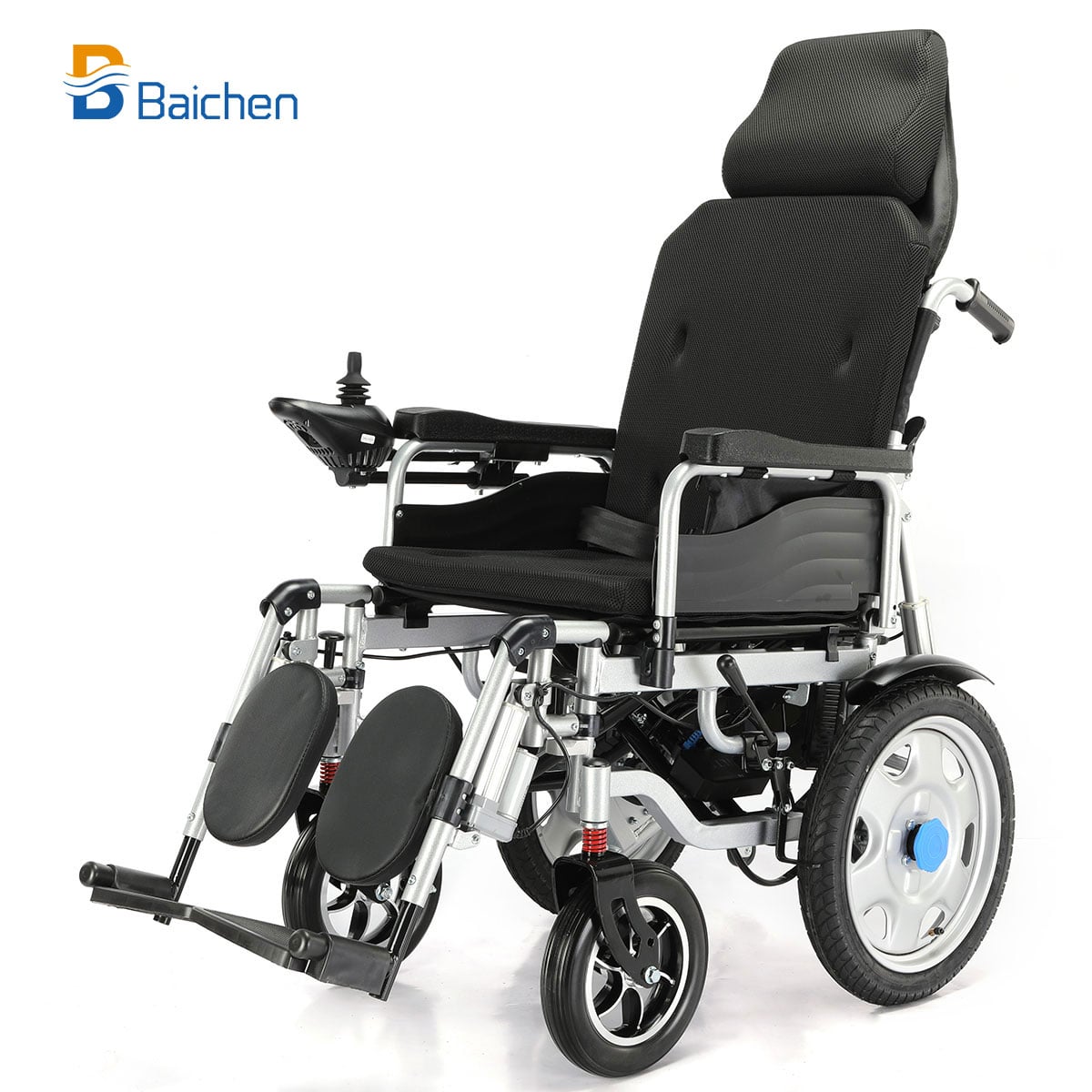
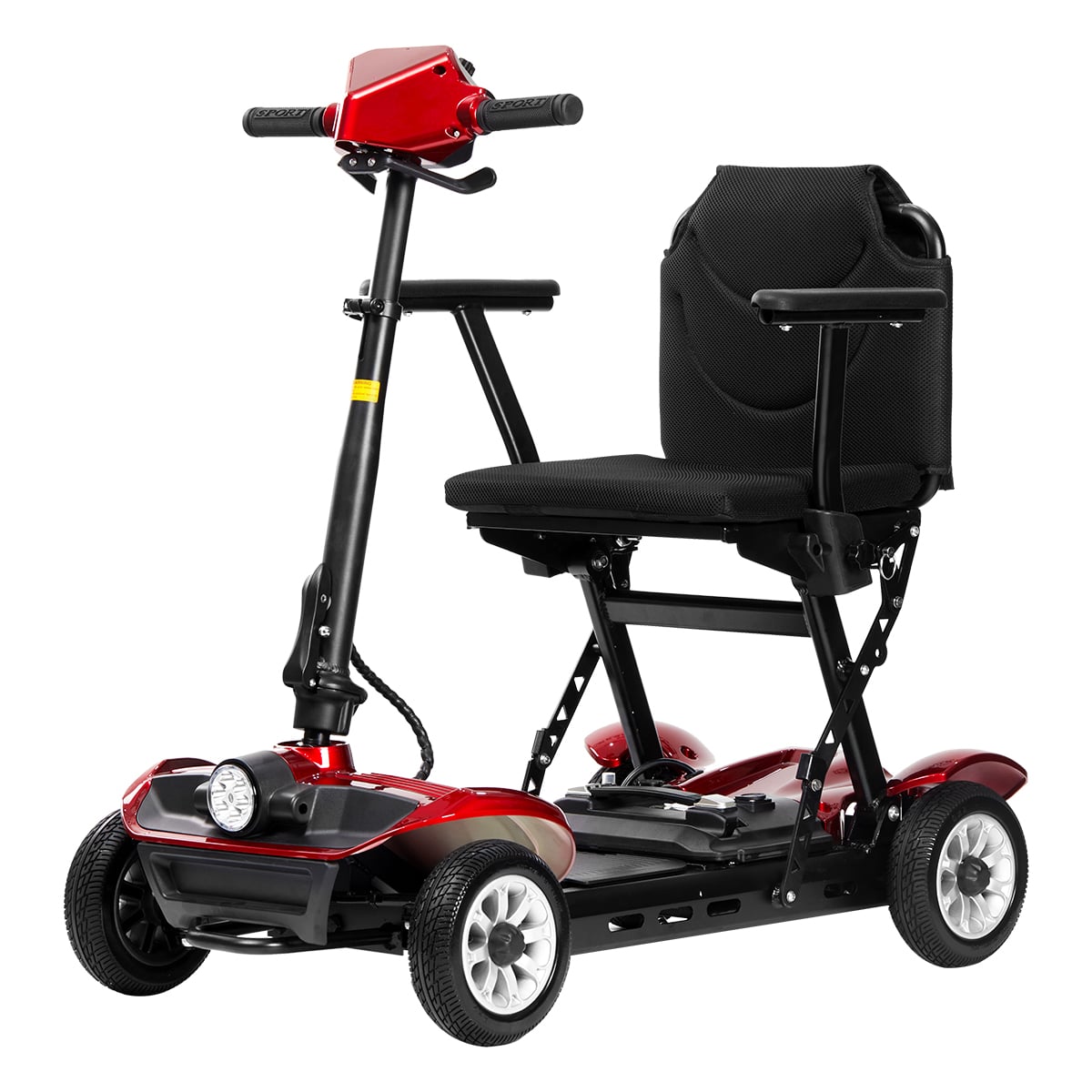
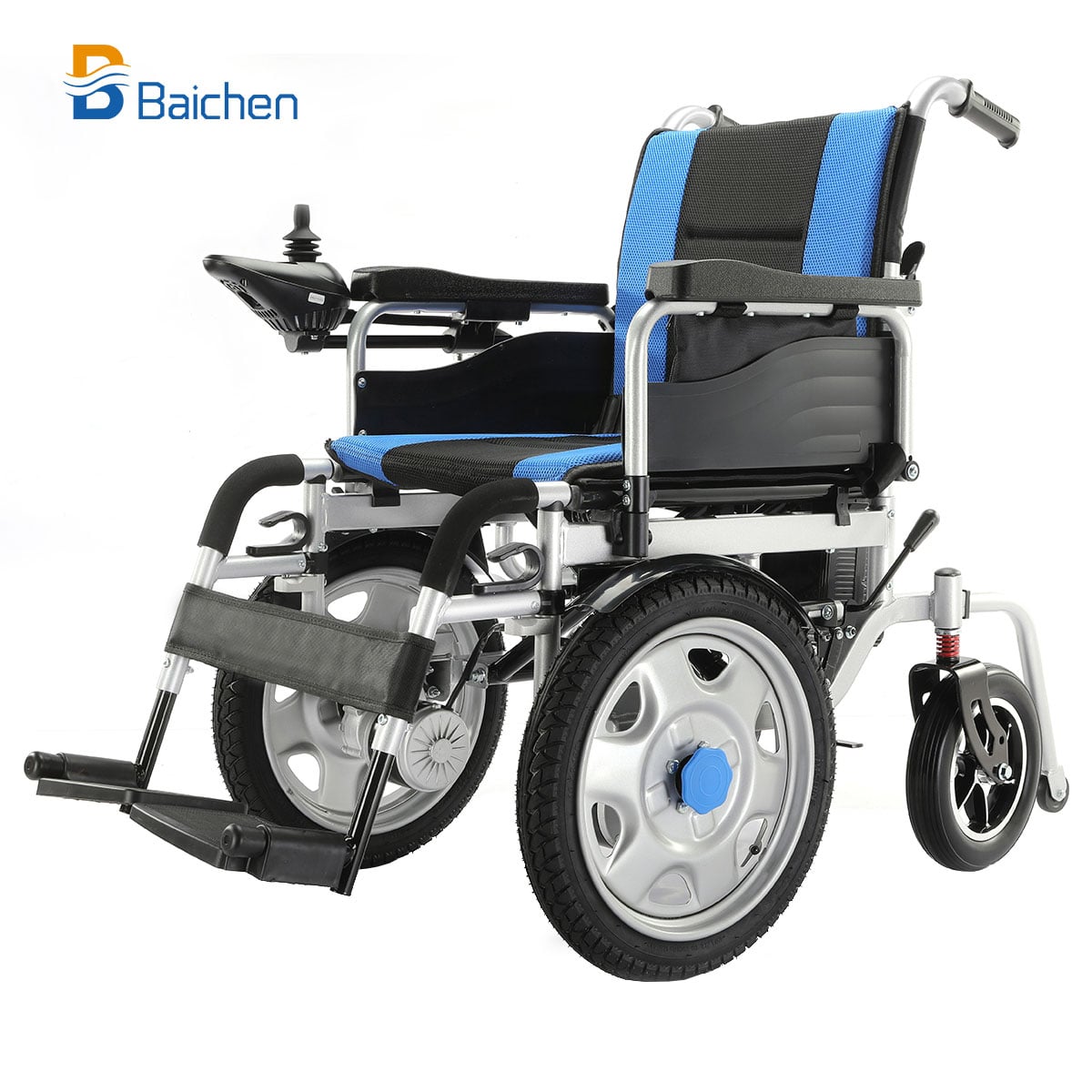
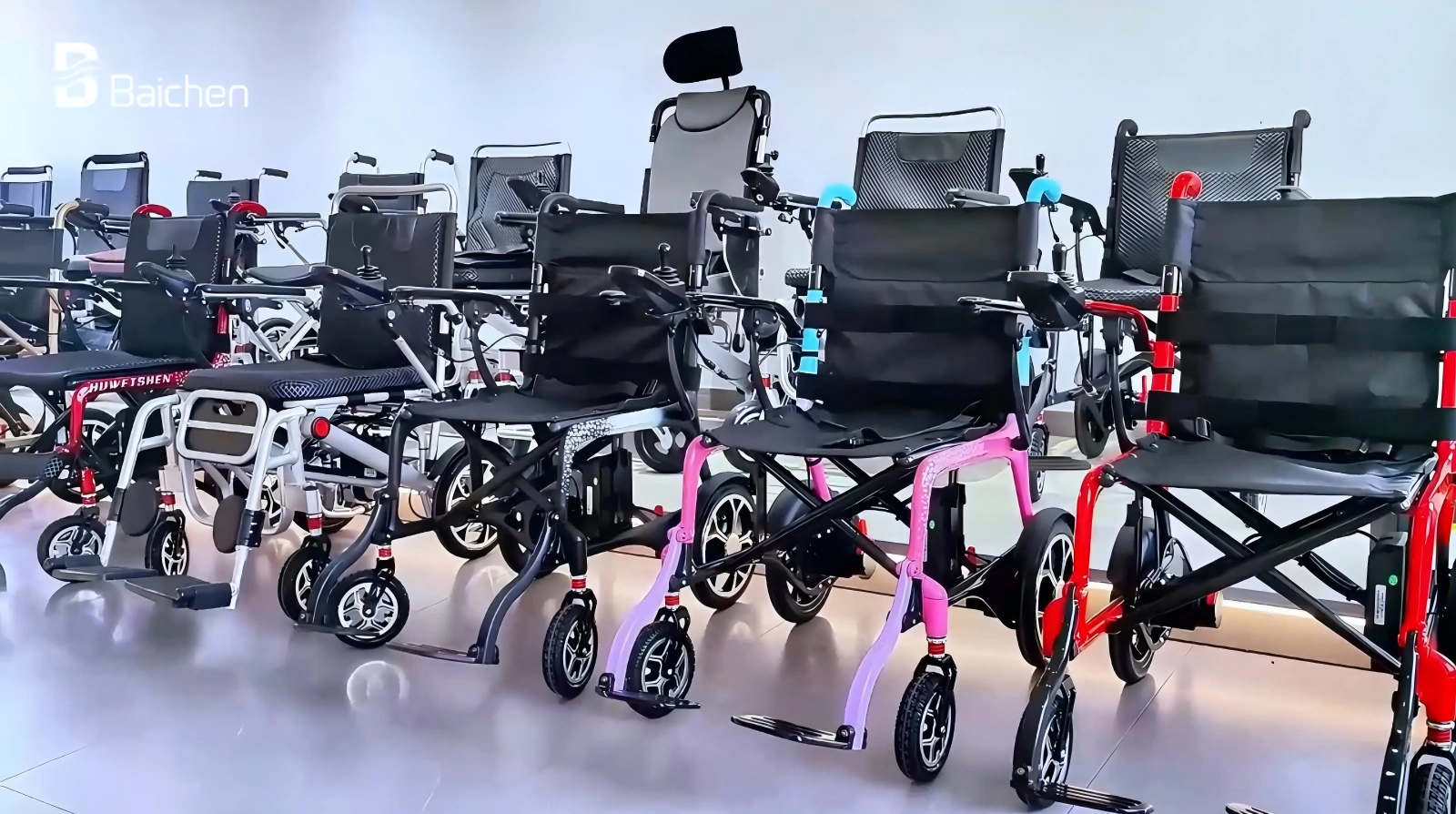
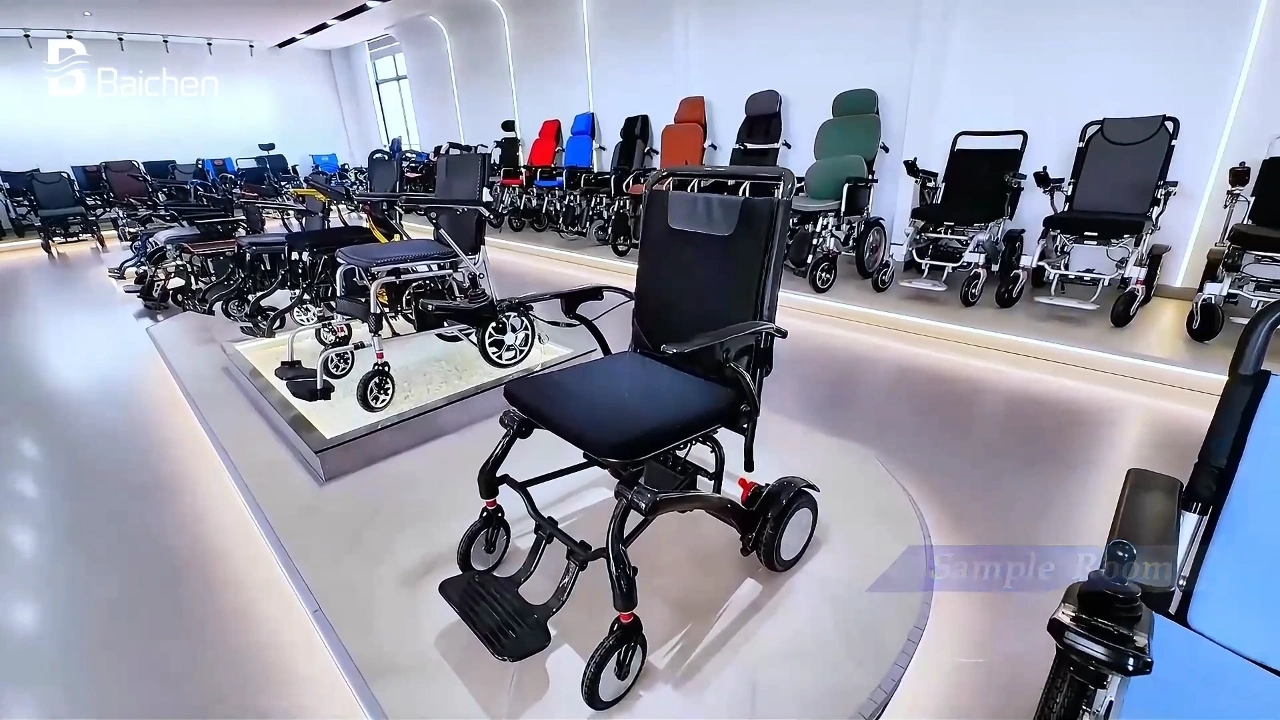
Baichen's portfolio includes aluminum power wheelchairs, steel power wheelchairs, magnesium power wheelchairs and carbon fiber power wheelchairs. These categories are not simple quality levels. They support different combinations of portability, construction, product positioning, manufacturing process, service approach and commercial role.
Compare candidate platforms through a requirements matrix. Mark each requirement as pass, conditional or fail. A conditional result might mean that the platform fits only with a different seat, battery or wheel. Record the effect of that option on weight, dimensions, documents, packaging and parts.
Do not select the base solely from photographs. Obtain the controlled specification and test a physical sample. Check the handling tasks that matter to the market: transfers, control reach, low-speed driving, turning, braking, folding, lifting, trunk loading, battery removal, charging and service access.
If no platform meets the essential requirements without extensive changes, stop treating the project as simple OEM. Reclassifying early is less costly than discovering during sample approval that the base design cannot support the promise made to customers.
Customization becomes manageable when every request is written as a requirement with an acceptance method. "Premium seat" is subjective. "Seat upholstery matches approved material sample and color reference; dimensions follow drawing revision B; seams match approved sample" is verifiable.
Baichen's customization page shows common areas such as reclining, folding, control systems, batteries, wheels, logos, cushions, colors and packaging. Each area affects a different part of the project.
Brand and appearance
Define logo method, size, location, color reference and acceptable variation. Approve artwork on a drawing and a physical sample. Consider abrasion, cleaning and visibility after folding. If the logo appears on the frame, joystick, battery, charger, label and carton, control all versions together.
Upholstery and seating
Specify material, color, dimensions, foam or mesh construction, attachment, cleaning instructions and flammability or biocompatibility considerations where applicable. Check whether a new cushion changes seat height, armrest relationship, folding or packed volume.
Controls and electrical components
Define controller type, joystick position, display, connectors, speed settings and error behavior. A new control option should be assessed with the motor, brake, battery and charger system, not approved as an isolated component.
Battery and charger
Record chemistry, capacity, voltage, energy rating, enclosure, connector, fixation, charger input, plug and label. Determine whether the change affects transport tests, user instructions, regulatory documents or packaging.
Wheels and ride system
Specify diameter, tire construction, hub or rim, tread, axle and compatibility. A visual change may affect ground clearance, turning, ride, braking or folded dimensions.
Packaging and manuals
Control carton structure, print, labels, inserts, accessory placement, manual language and version. Packaging approval should include a packed physical sample and transport review, not only a flat artwork file.
The electric wheelchair OEM project specification is the single reference connecting sales expectations to engineering and production. It should not be replaced by an email chain or a collection of chat screenshots.
Create one configuration record containing the model, drawings, bill of materials, approved options, colors, artwork, labels, manual, accessories, inspection criteria and packaging. Give each controlled item a revision. Record the date and approver.
Use a change log. Every proposed change should state the reason, affected parts, effect on function or documents, required verification and approval status. Changes from the buyer and manufacturer follow the same discipline.
This process protects both parties. The buyer can prove what was approved. The factory can prevent an old artwork file or component version from reaching production. Quality inspectors can compare units with an objective standard.
If the buyer orders regional variants, separate what is shared from what changes. The same chair may use different plug types, labels, languages or accessories. A variant matrix reduces the chance that a charger or manual for one market is packed into another.
OEM projects usually build on an existing manufacturer platform, so buyers should understand which design elements are standard and which artwork or modifications belong to them. ODM projects may involve buyer-funded design, tooling or unique features. Ownership and use rights should be written before substantial development begins.
An agreement may address confidentiality, buyer artwork, tooling ownership, design files, background intellectual property, project-specific developments, sales restrictions and treatment of abandoned projects. It should also define payment milestones, sample rounds, change requests and acceptance.
Avoid assuming that an NDA answers every ownership question. Confidentiality and intellectual-property rights are different. Both parties benefit when the boundary is explicit.
Commercial clarity also includes responsibilities for translation, registration, external testing, inspection, freight, import clearance, local support and market claims. A project schedule should show dependencies rather than one promised delivery date.
What should be defined first in a custom electric wheelchair project?
Define the target user, market, channel, use environment, transport method, required functions, service capability and ranked priorities before discussing colors or logo position.
Can the logo and carton be approved before the specification?
They can be explored, but final approval should wait until model identity, dimensions, components and regulatory labeling are stable. Otherwise artwork may need costly rework.
How should custom electric wheelchair changes be recorded?
Use a change log that states the reason, affected parts, effect on function and documents, verification needed, revision and approval status.
Send us the intended user, destination market, preferred base model and the changes you are considering. Our team can help separate appearance choices from changes that need engineering, testing or document review. You can explore Baichen's electric wheelchair range before contacting us through the project inquiry page. A good custom project should feel creative to the customer and remain clear to every person who must build and support it.
 EN
 AR
 BG
 HR
 CS
 DA
 NL
 FI
 FR
 DE
 EL
 IT
 JA
 KO
 NO
 PL
 PT
 RO
 RU
 ES
 SV
 TL
 IW
 ID
 LV
 LT
 SR
 SK
 SL
 VI
 HU
 TH
 TR
 FA
 GA
 CY