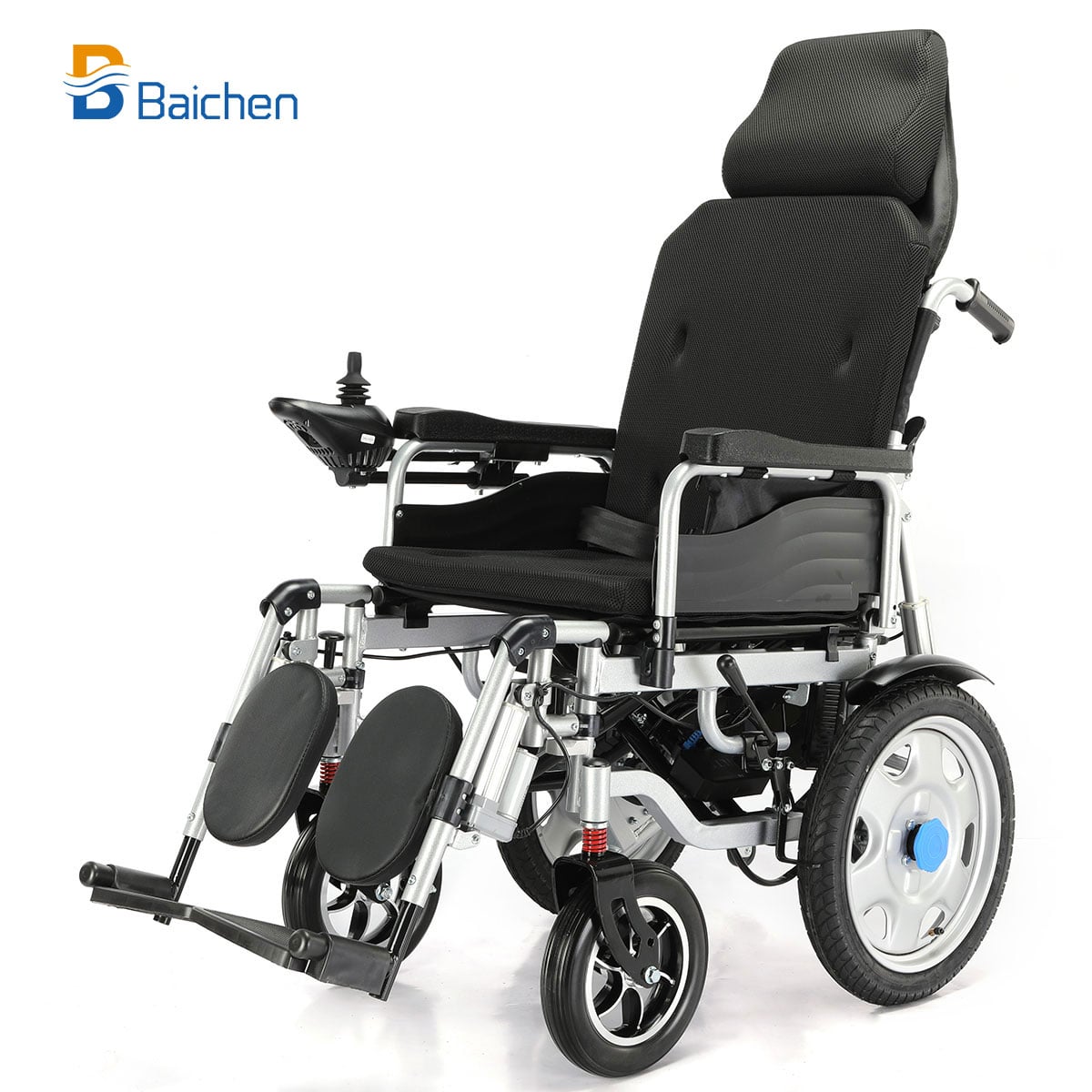
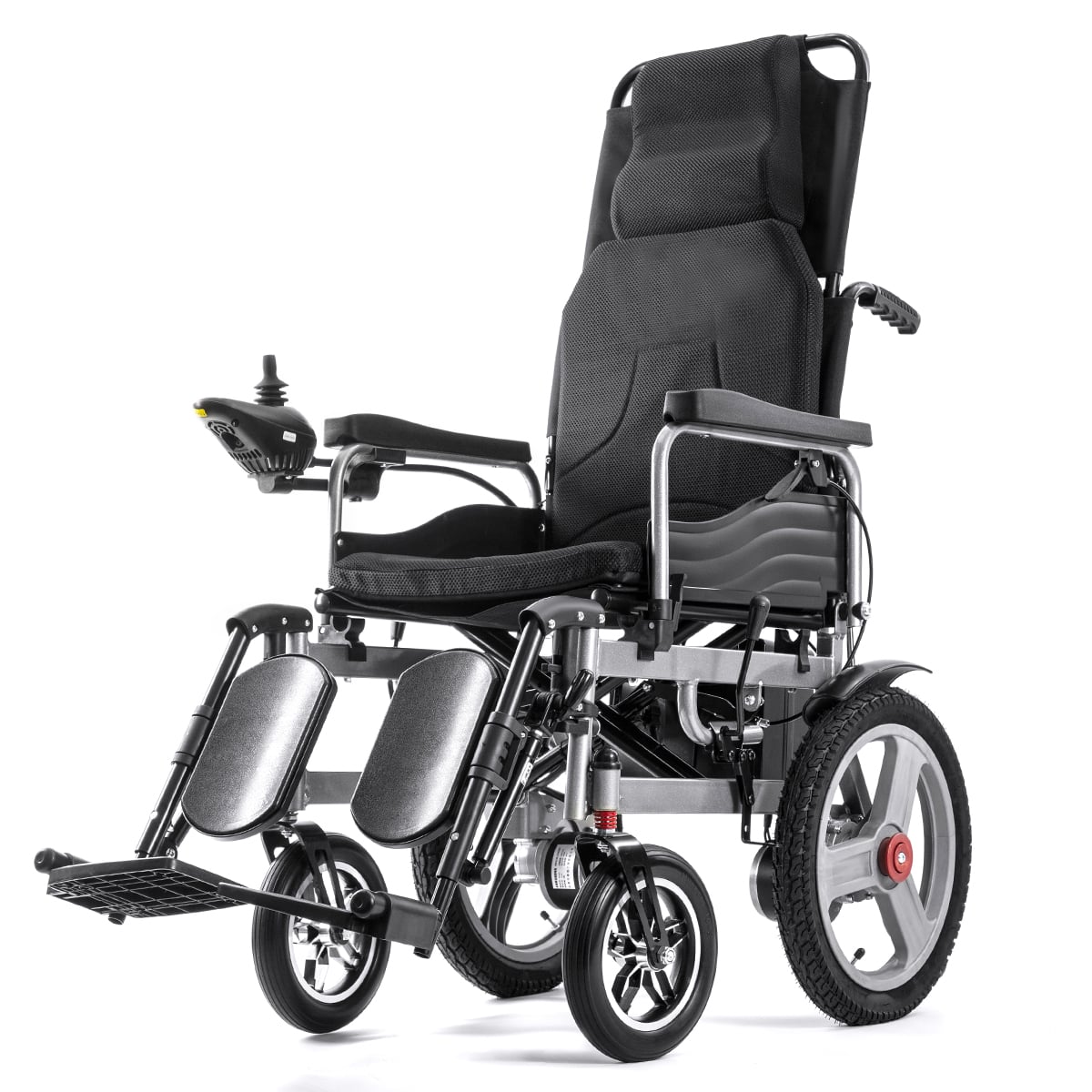
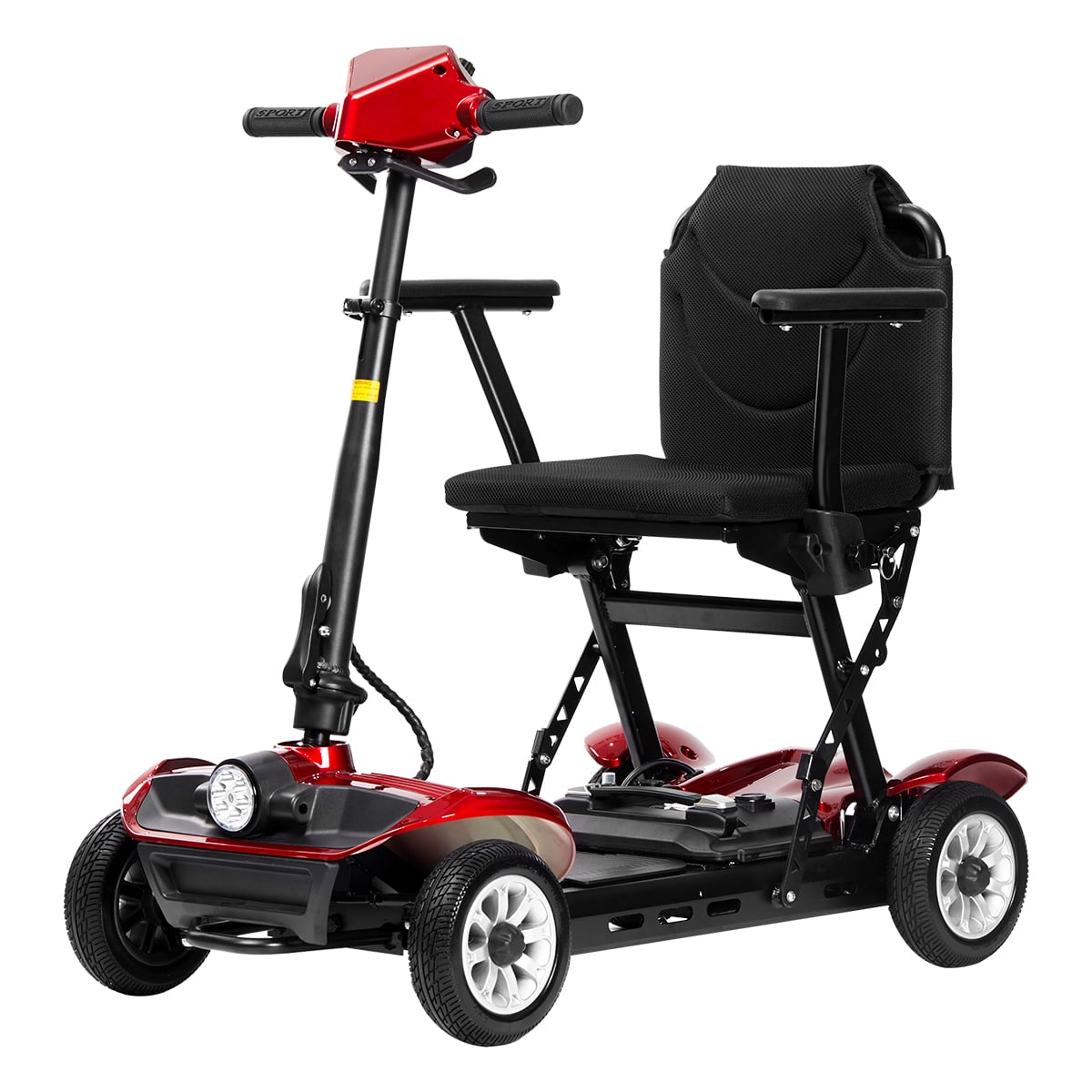
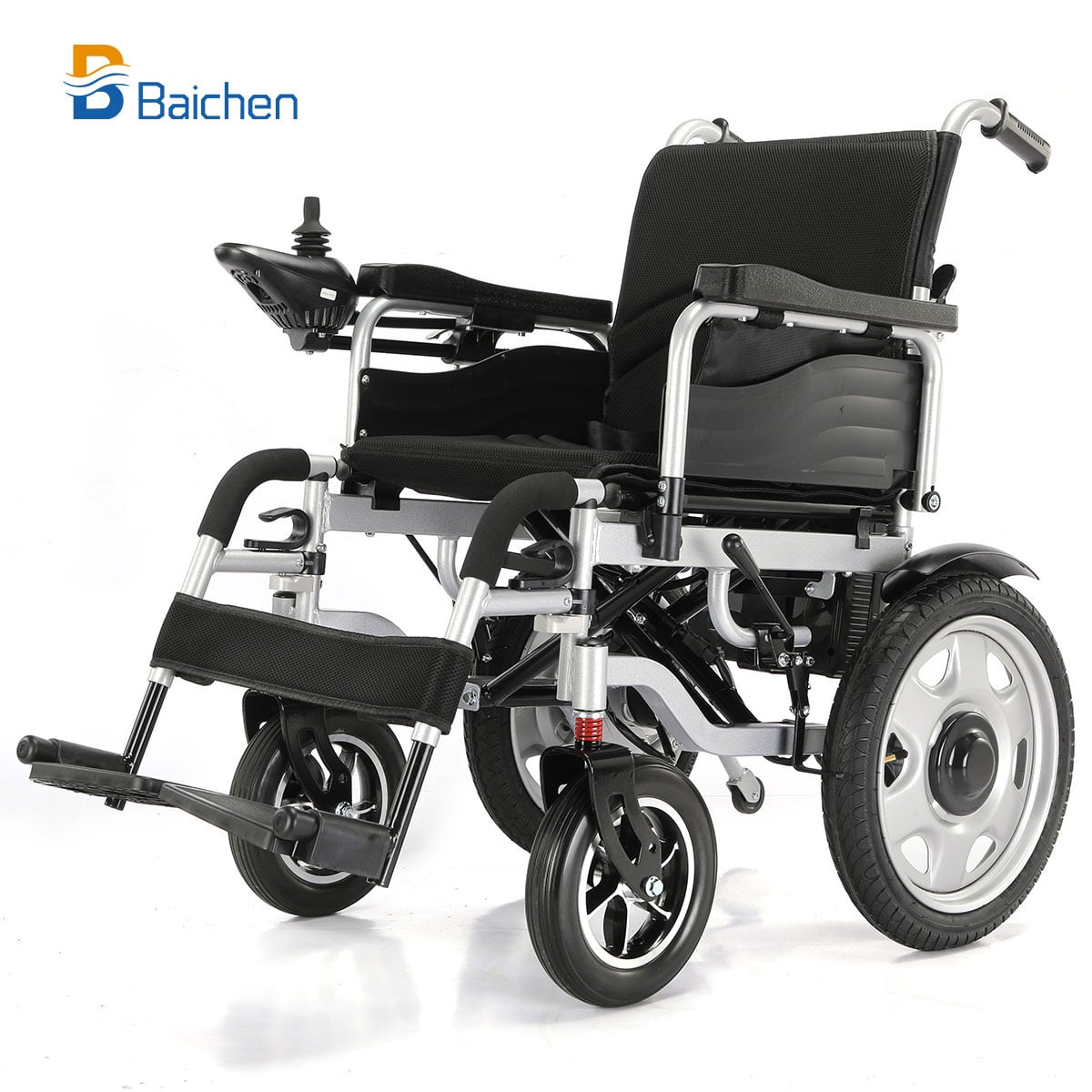
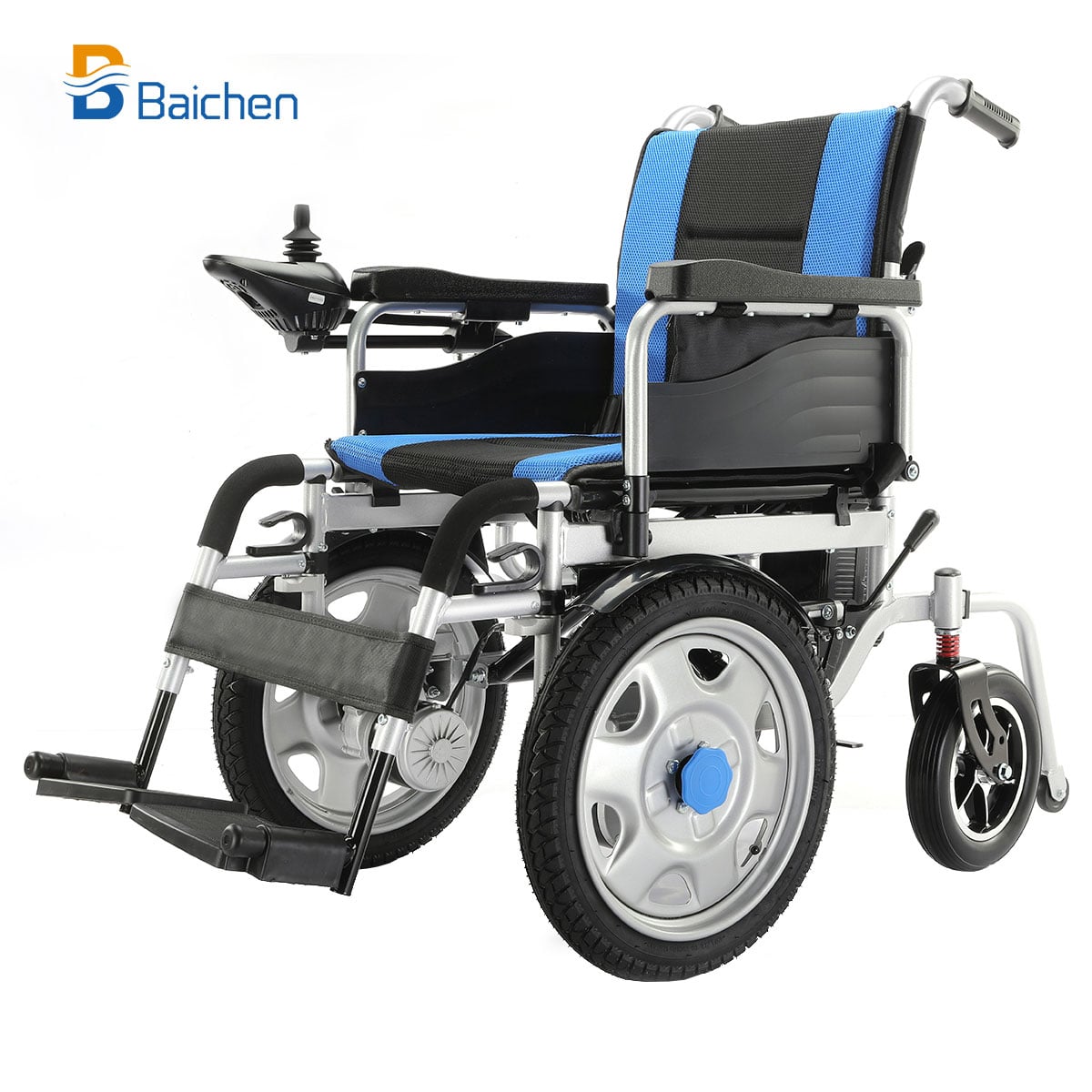
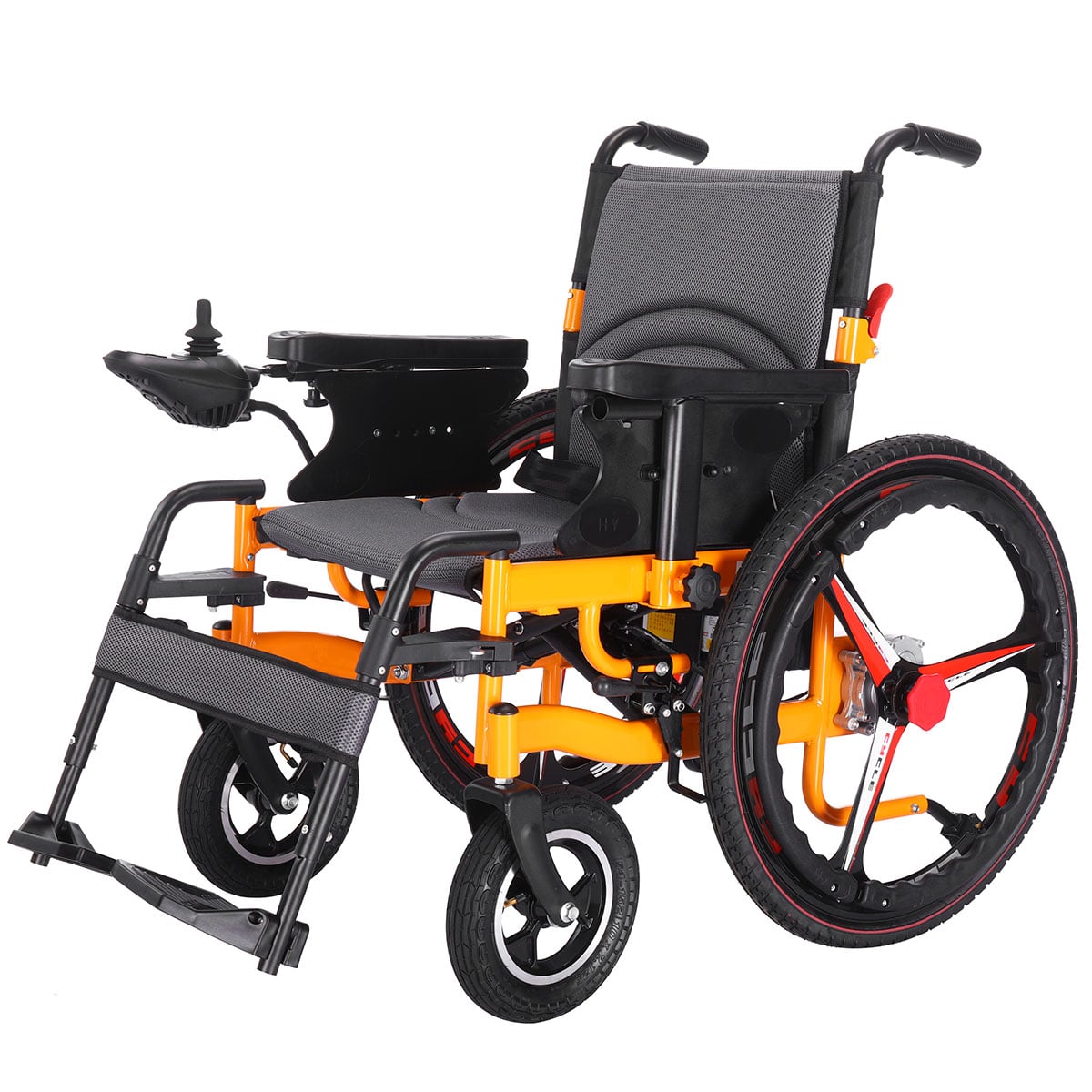
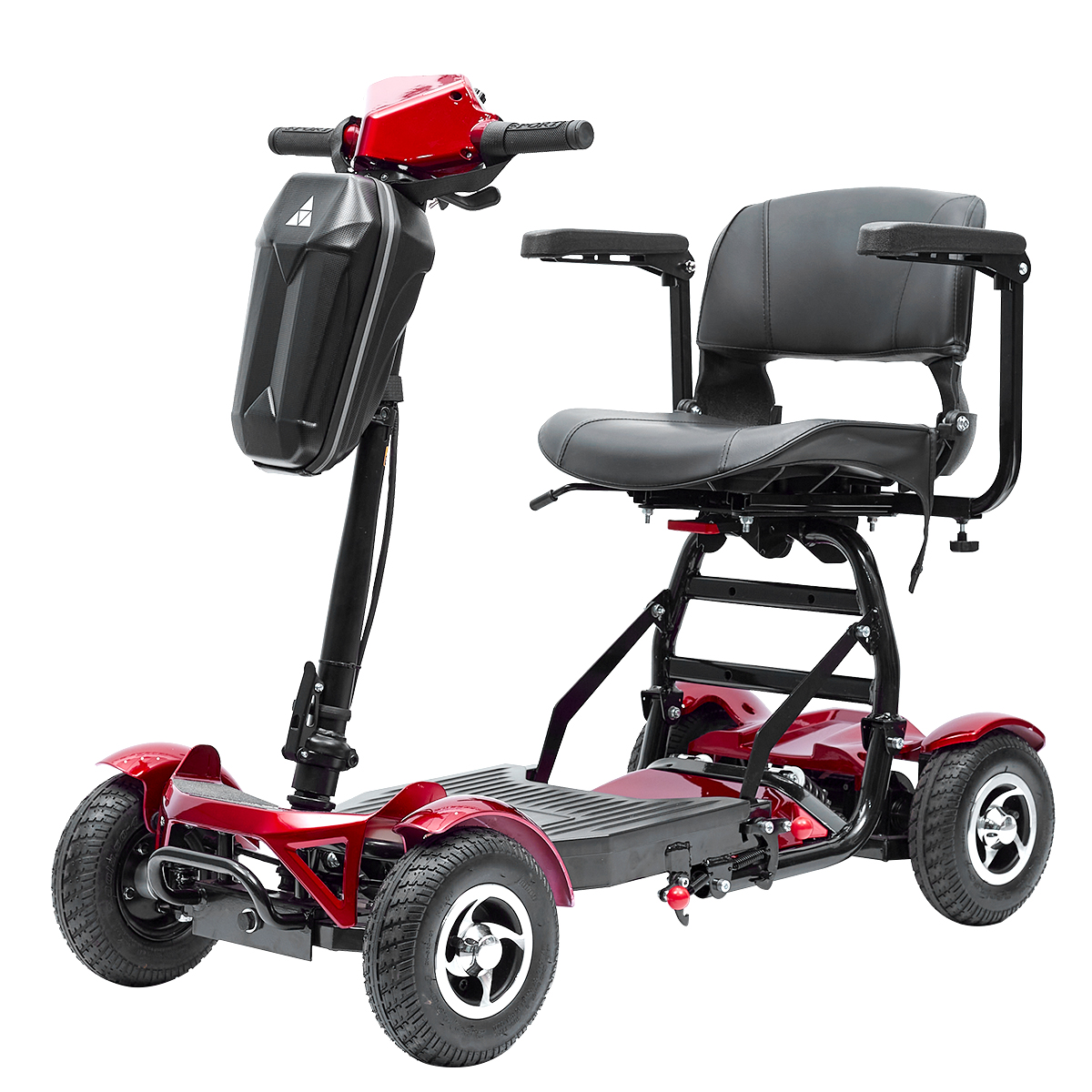
When choosing an electric wheelchair, many users notice an interesting pairing pattern – traditional steel wheelchairs are usually equipped with lead-acid batteries, while wheelchairs made of carbon fiber or aluminum alloy almost always use lithium batteries. This is not a random combination, but a systematic design based on product positioning, usage scenarios, and user needs. As a brand deeply rooted in the field of intelligent mobility, Baichen hopes to help you understand the thinking behind this design through this article.
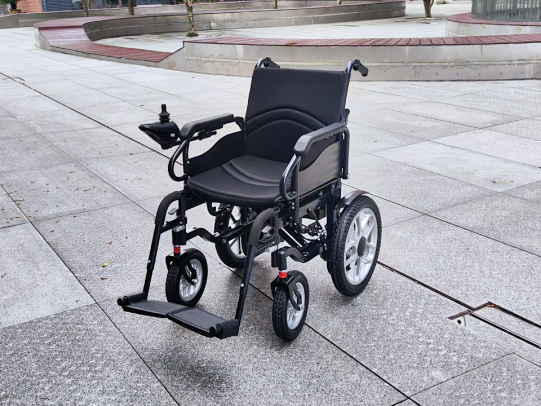
I. Different Materials Correspond to Different Design Philosophies
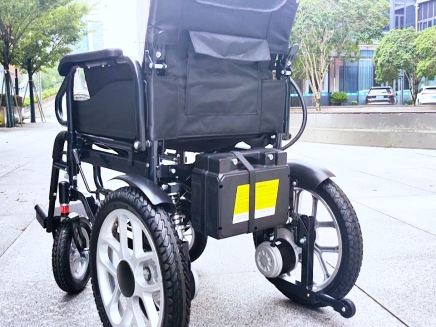
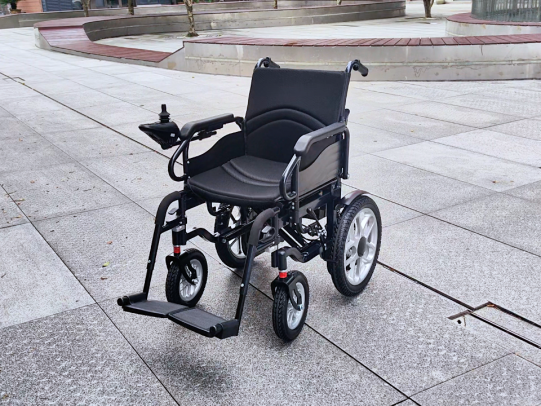
Steel wheelchairs, with their sturdy and durable characteristics, have long been the mainstream choice in the market. Their frame weight is generally above 25 kilograms, already possessing good structural stability, so they are less sensitive to battery weight. Although lead-acid batteries do not have high energy density, the technology is mature and the cost is controllable, which highly matches the positioning of steel wheelchairs that emphasize practicality and economy. The slightly heavier battery weight does not significantly affect the overall mobility of the steel structure.
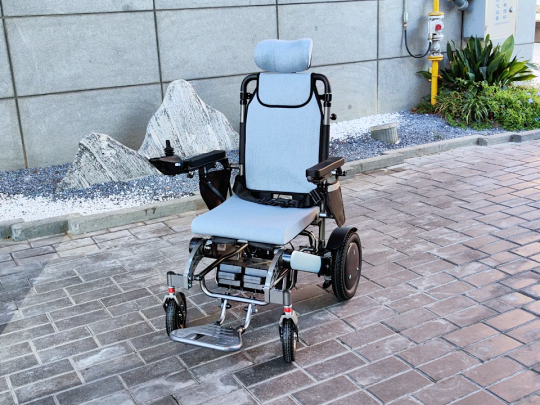
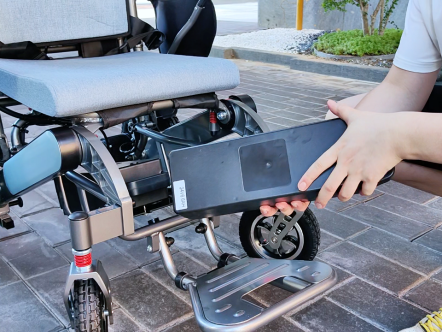
In contrast, the core value of carbon fiber and aluminum alloy materials lies in "lightweighting." The self-weight of these wheelchairs can be controlled at around 15-22 kilograms, and their design goal is precisely to improve portability and flexibility of use. Lithium batteries have a significant advantage in high energy density; while providing the same range, their weight is only 1/3 to 1/2 of that of lead-acid batteries, naturally making them the first choice for lightweight design. The combination of the two truly achieves the product experience of "easy handling and free movement."
II. Usage Scenarios Determine Battery Type
Steel wheelchairs equipped with lead-acid batteries are more suitable for regular daily use, such as indoor activities at home, walks in the neighborhood, and other flat environments. This combination usually meets the travel needs of 15-25 kilometers, and charging is convenient and stable, suitable for users with relatively fixed living scenarios and who value long-term reliable use.
The combination of carbon fiber/aluminum alloy and lithium batteries is clearly geared towards more active and diverse usage scenarios. Lithium batteries not only support fast charging (generally 3-6 hours to fully charge), but also have a longer cycle life and require no regular maintenance. This allows these wheelchairs to easily handle complex needs such as outdoor activities, travel, and navigating slopes, while also reducing the burden of carrying for caregivers. III. Selection Preferences of Different User Groups
Users who prefer the steel frame and lead-acid battery combination mostly value the product's cost-effectiveness and durability. They likely view the wheelchair as a long-term assistive device, primarily for use at home and in the surrounding area, with less need for frequent movement or portability for travel.
Users who choose the carbon fiber/aluminum alloy and lithium battery combination typically have higher demands for independent mobility and quality of life. They may frequently participate in social activities, travel, or outdoor activities, requiring a wheelchair with better environmental adaptability and portability. For caregivers, the lightweight design also significantly improves the convenience of daily assistance.
How Baichen Achieves Precise Matching of Needs
In Baichen's product system, we match technologies based on users' actual usage scenarios and lifestyles. The Classic series uses a high-strength steel frame paired with high-performance lead-acid batteries, focusing on economy, practicality, and reliability; while the Travel and Lightweight series uses aerospace-grade aluminum or carbon fiber and is equipped with high-efficiency lithium batteries, aiming to provide users with a lightweight and free travel experience.
We firmly believe that technology should serve people. Whether it's the materials or the batteries, the ultimate goal should be: to make mobility easier and life more independent.
If you still have questions during the selection process, or would like to learn more about electric wheelchair configuration suggestions, please feel free to contact the Baichen customer service team or visit our official website for more product information and user guides. We are happy to work with you to find the perfect mobility partner for you.
Ningbo Baichen medical Devices Co.,LTD.,
+86-18058580651
Baichenmedical.com/baichenmobility.com
 EN
EN
 AR
AR
 BG
BG
 HR
HR
 CS
CS
 DA
DA
 NL
NL
 FI
FI
 FR
FR
 DE
DE
 EL
EL
 IT
IT
 JA
JA
 KO
KO
 NO
NO
 PL
PL
 PT
PT
 RO
RO
 RU
RU
 ES
ES
 SV
SV
 TL
TL
 IW
IW
 ID
ID
 LV
LV
 LT
LT
 SR
SR
 SK
SK
 SL
SL
 VI
VI
 HU
HU
 TH
TH
 TR
TR
 FA
FA
 GA
GA
 CY
CY