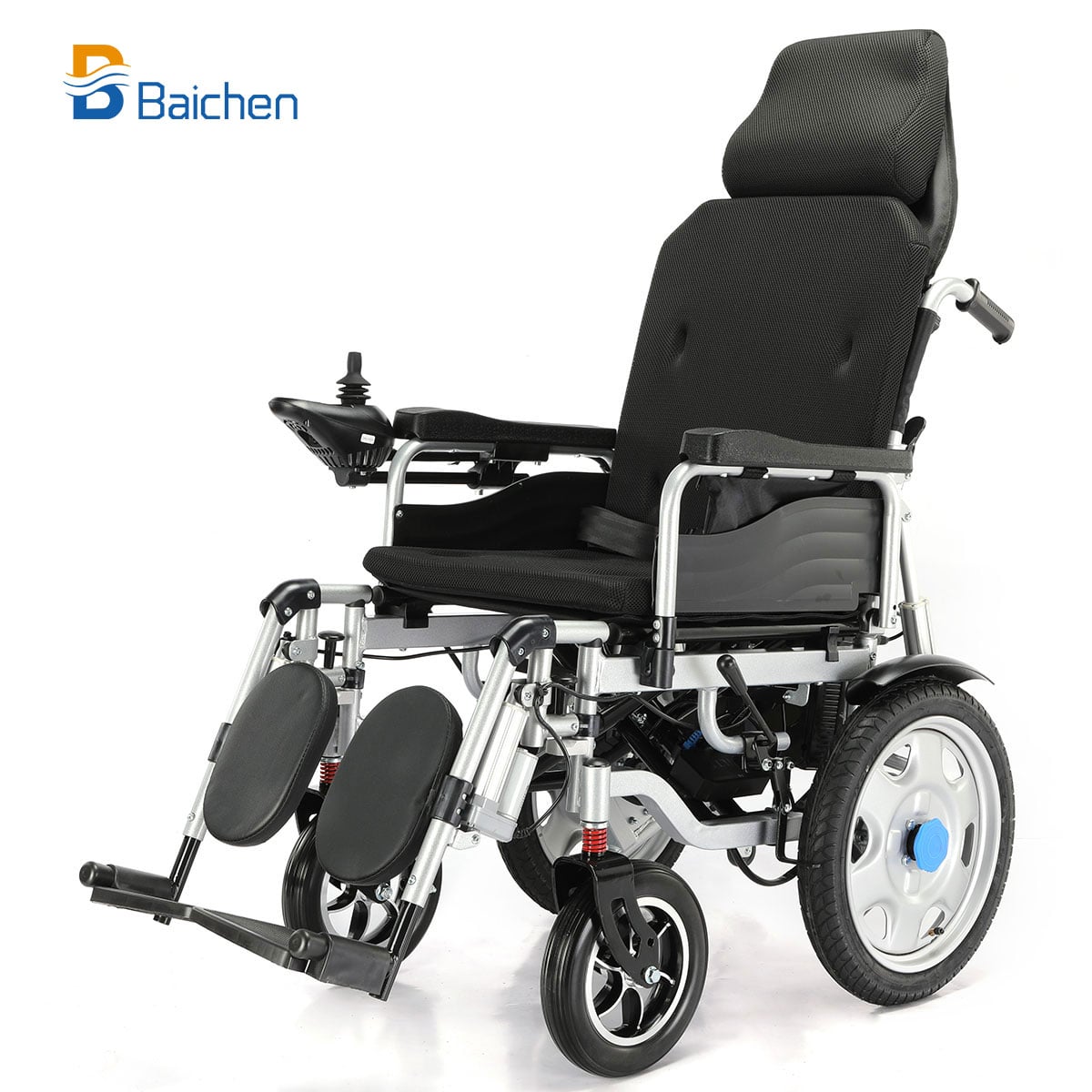
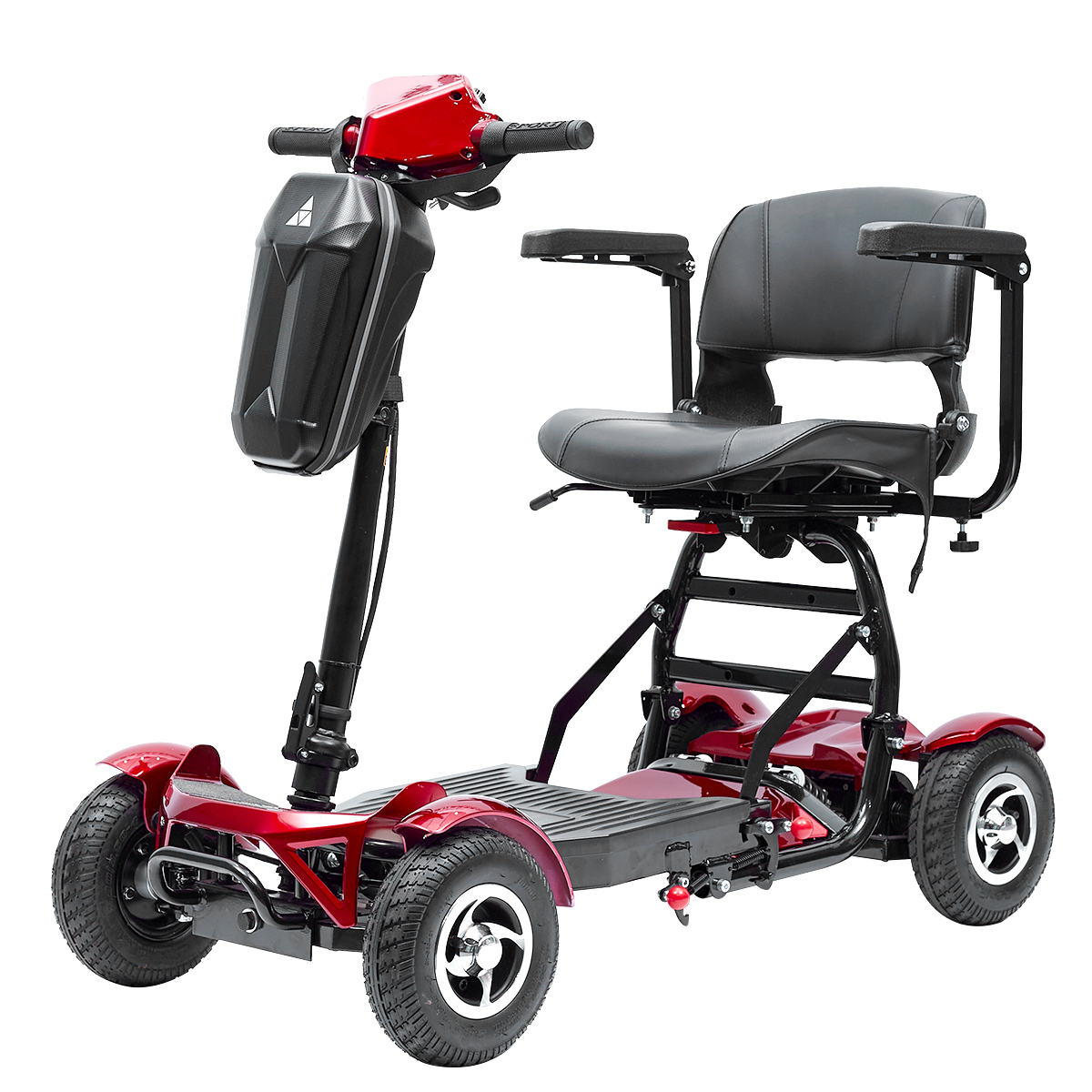
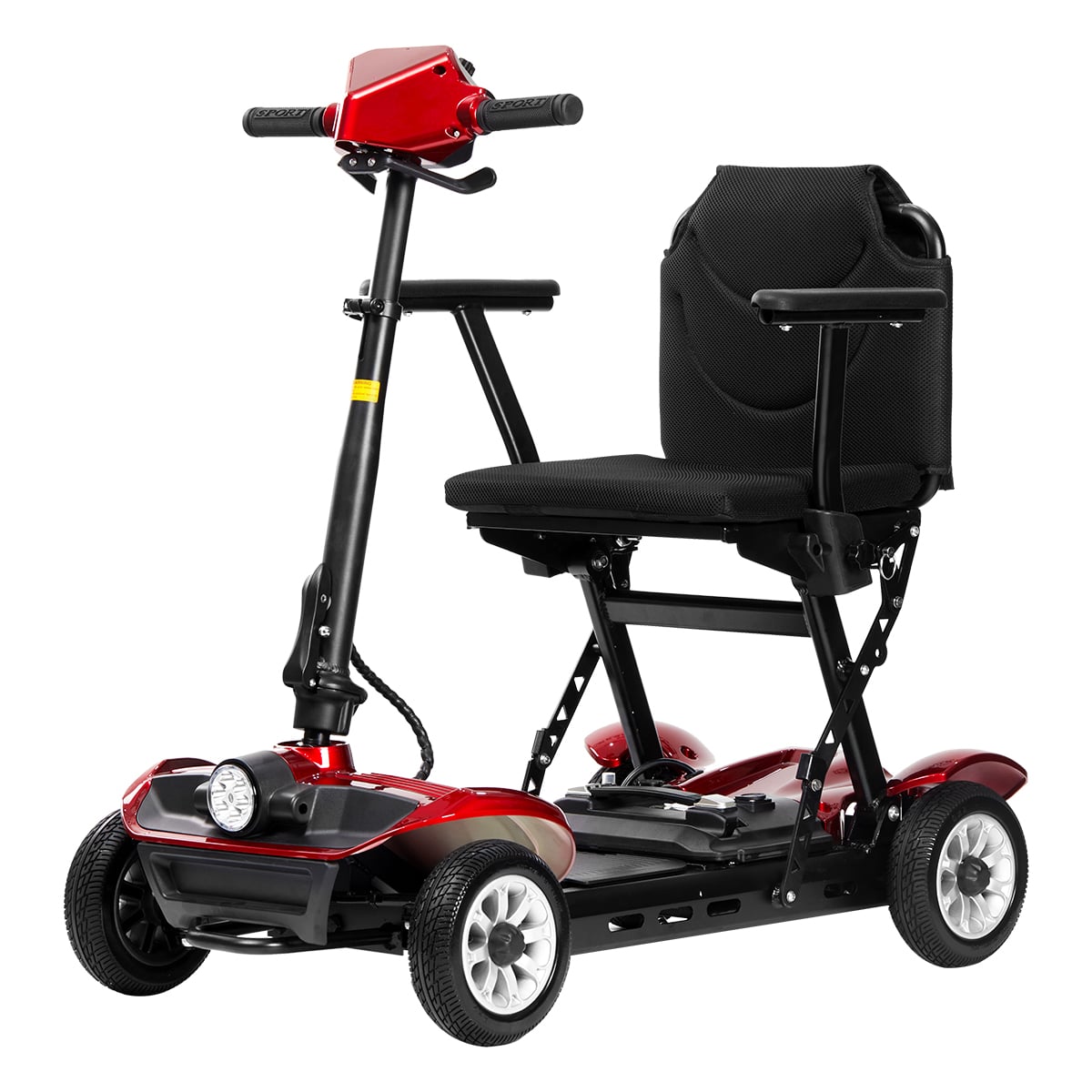
After-sales service begins before the first wheelchair or scooter leaves the factory. By then, the distributor should already know how to identify the model, which information to collect, what can be checked locally and how the factory will help. Without that preparation, a small fault can turn into several days of messages while the customer waits.
At Baichen, we want the mobility device after sales service plan to be part of the launch conversation. We can connect product identity, illustrated parts, training materials, warranty intake and field feedback with the models you select. Our service page and FAQ provide public starting points; the working plan should then reflect your market, team and exact product configuration.
Our quick answer
Agree who receives the case, what evidence is needed, which checks are safe locally, how parts are identified and when the factory must step in. Prepare training and common parts before launch, then use field cases to improve products and content. We can help your team build the plan around the Baichen models you carry instead of handing you a generic policy after the first problem appears.
After-sales information is one of the manufacturer's best design inputs. A structured feedback loop can reveal needs that do not appear in laboratory testing.
We encourage distributors to report cases in a consistent format. Manufacturers should return findings in language that sales and service teams can use. Periodic reviews can cover:
· case rate by model and volume;
· time to first response;
· time to restore mobility;
· first-time fix rate;
· repeat cases;
· parts consumption;
· no-fault-found returns;
· transport damage;
· setup and training issues;
· safety-related events;
· open corrective actions.
Do not publish unsupported low defect-rate claims from incomplete data. Define the denominator, period, case criteria and product scope. Internally, use the data to prioritize improvements and stock.
Field feedback should also update content. If customers repeatedly ask how to switch between manual and electric modes, improve the quick-start guide and product video. If they choose the wrong model for rough terrain, improve qualification and positioning.
Dealer training should help staff sell responsibly and solve common cases. A useful program covers product qualification, setup, safe operation, maintenance, diagnostics, parts identification and escalation.
Sales training should teach dealers to ask about user fit, environment, transport, storage and support. Incorrect recommendations create complaints that no replacement part can fix.
Technical training should use real units and tasks:
· identify model and serial number;
· locate major components;
· inspect connectors and visible wiring safely;
· operate freewheel or clutch controls;
· interpret indicators or error messages;
· remove and install approved batteries;
· replace authorized wear parts;
· confirm correct charger;
· package a unit or component for return;
· record useful photos and videos;
· recognize stop-use and escalation conditions.
Assess the training. A video watched is not proof that a technician can identify the correct part. Short practical checks improve confidence and reveal unclear documentation.
Provide updated training when revisions change service steps. Archive old material carefully so it does not remain in dealer folders as if current.
Service content can attract high-intent buyers because experienced distributors search for parts, warranty and troubleshooting support before changing suppliers. It also helps existing customers and reduces repetitive support questions.
Create model-specific pages for common issues only when the information is safe and useful. Begin with a direct answer, then list identification, conditions, steps, stop points and contact route. Link to the relevant product and service page.
Useful page types include:
· how to identify an electric wheelchair battery;
· how to switch manual and electric modes;
· how to prepare a folding chair for transport;
· how to read a charger label;
· what information to send for a warranty case;
· how distributors should plan spare parts;
· how to distinguish controller revisions;
· when to stop using a damaged mobility product.
Do not expose confidential commercial terms or encourage unsafe repair. Content should state when qualified service is required. Google's guidance for AI features and Search points publishers back to the same people-first content and technical foundations used for ordinary search visibility. For GEO, concise conditional answers and exact model names are easier to cite than vague promises.
Internal links should connect the service guide to electric wheelchairs, mobility scooters, service, FAQs and contact.
Send a test case during supplier evaluation. Provide a sample serial number and a realistic symptom. Observe whether the team asks useful questions, identifies the correct model, distinguishes evidence from assumptions and proposes a safe next step.
Request sample documents:
· illustrated parts list;
· compatibility matrix;
· troubleshooting flow;
· warranty form;
· case report;
· service video;
· change notice;
· battery and charger identification guide.
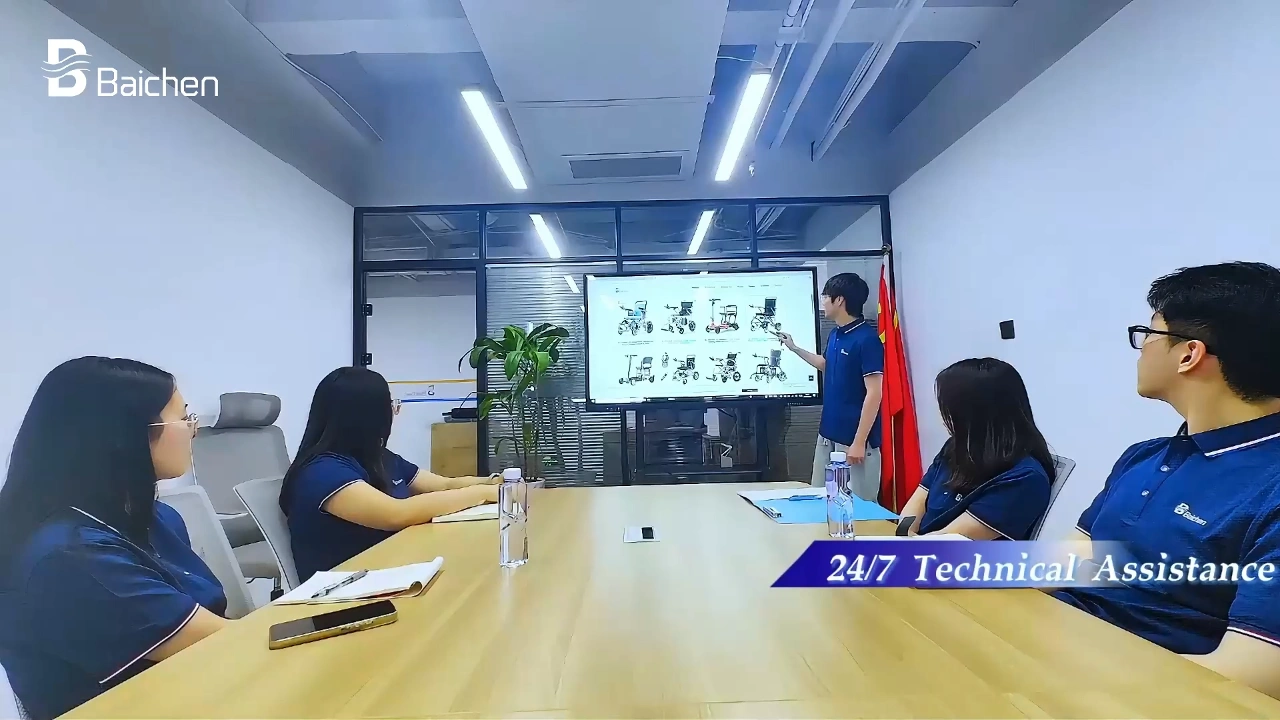
Ask how the supplier handles weekends, time zones and urgent mobility loss. A 24-hour marketing promise means little unless responsibilities and escalation are clear.
Review parts packaging. Each item should arrive identified and protected. Small connectors and programmed components should not be mixed in unmarked bags. The packing list should use the same part numbers as the catalogue and invoice.
The service agreement should align with the product, distribution model and local capability. It can cover warranty terms, response targets, parts availability, stock recommendations, technical training, evidence, return process, freight responsibility, software or parameter support, change notification and periodic review.
Define boundaries. The manufacturer cannot control every local repair, and the distributor cannot diagnose every factory process. Assign tasks according to competence and access.
Agree how urgent cases will be handled. A user stranded without mobility may need a loan unit, local part or temporary solution while root cause is investigated. The distributor owns the local customer relationship, so contingency planning is essential.

Before shipment
Freeze the parts list and compatibility matrix. Order initial local stock. Train sales and technical staff. Prepare intake forms, case numbers, escalation contacts and model-specific quick guides. Confirm battery storage and transport arrangements.
During receiving
Inspect product and parts labels. Reconcile quantities. Photograph packaging damage. Charge and rotate batteries according to approved instructions. Retain representative units and records for reference.
First thirty days
Track setup questions, transport damage, missing items and early functional cases. Update dealer content quickly when a repeated misunderstanding appears. Do not change the product or manual informally.
Days thirty to ninety
Review case rate, response time, first-time fix, parts use and unresolved issues with the manufacturer. Adjust local stock and training. Open corrective actions for repeated patterns. Confirm that public product pages still match the delivered configuration.
The ninety-day review converts launch experience into a stable operating system before volume grows.
Before selling the first unit, confirm:
1. Model, serial and revision can be identified.
2. Product configuration is linked to current documents.
3. Illustrated parts and compatibility information are available.
4. Local stock decisions use risk and lead time.
5. Batteries and chargers are controlled by exact identity.
6. Intake captures safety, product and symptom evidence.
7. Troubleshooting separates user, dealer and factory tasks.
8. Warranty terms and decision authority are written.
9. Critical cases have a clear escalation path.
10. Repeated failures trigger analysis and corrective action.
11. Dealers receive practical training.
12. Product and service content answer common questions.
13. Manufacturer and distributor review field data regularly.
14. Component changes include compatibility and service review.
15. The service system can scale with the sales plan.
What should a mobility device after sales service plan include?
Include model identity, parts information, compatibility, local stock, diagnostic guidance, warranty workflow, response targets, training, escalation, field-data review and change notification. Mobility device after sales service should be linked to each product launch rather than treated as a generic website promise.
How should a distributor evaluate supplier support?
Send a realistic sample case with model and symptom information. Observe whether the team requests useful evidence, identifies the correct revision and proposes a safe next step. Record the result in the mobility device after sales service supplier review.
Why use a ninety-day service launch plan?
It creates checkpoints before shipment, during receiving, in the first month and after early field use so repeated setup, damage, parts or training problems are corrected before scale.
Tell us which Baichen models you plan to launch, who will answer customers locally and which repairs your team can perform. We can then connect the right training, parts and escalation path. Review our service information and contact us through the inquiry page. When mobility is interrupted, the customer should feel that both teams are already prepared to help.
 EN
 AR
 BG
 HR
 CS
 DA
 NL
 FI
 FR
 DE
 EL
 IT
 JA
 KO
 NO
 PL
 PT
 RO
 RU
 ES
 SV
 TL
 IW
 ID
 LV
 LT
 SR
 SK
 SL
 VI
 HU
 TH
 TR
 FA
 GA
 CY