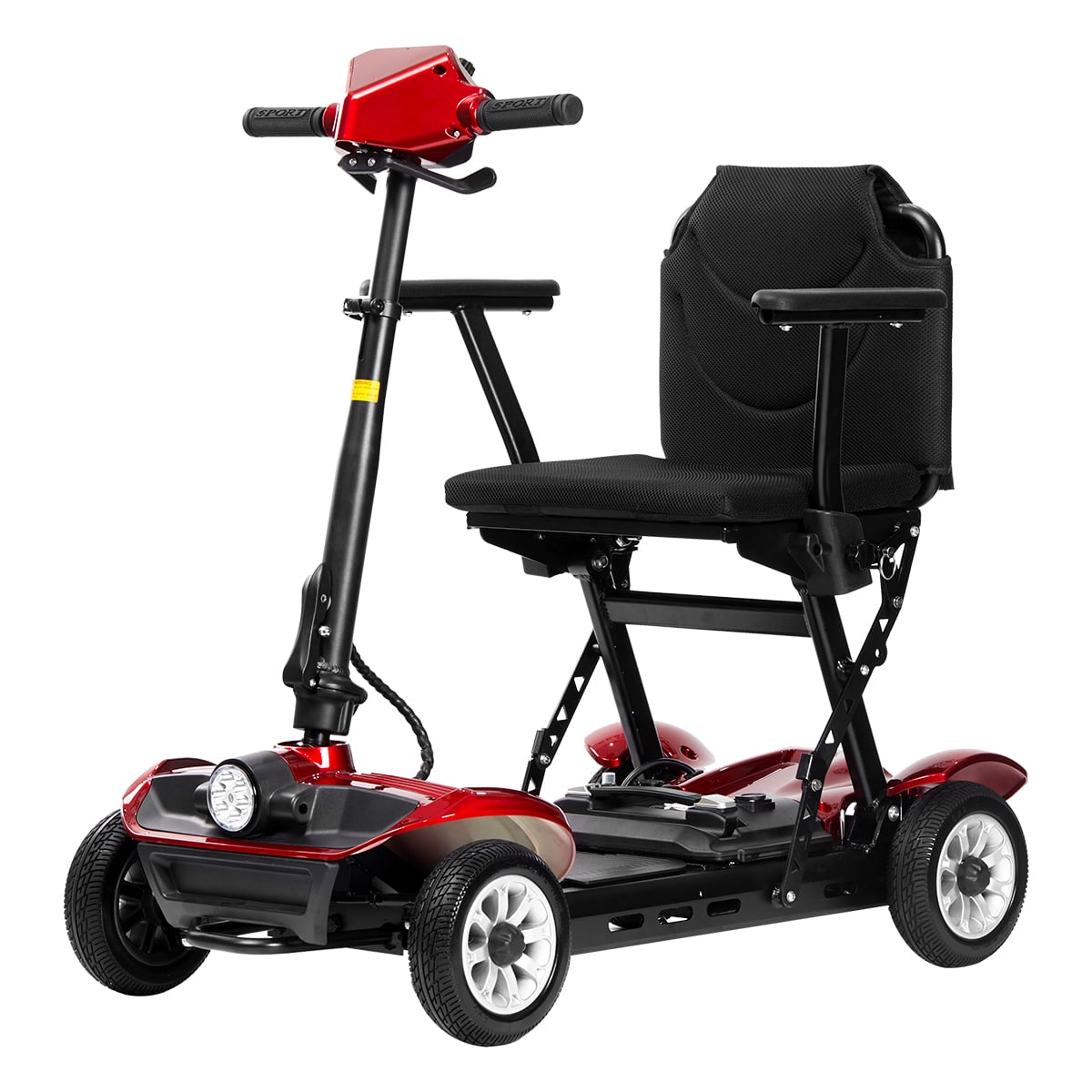
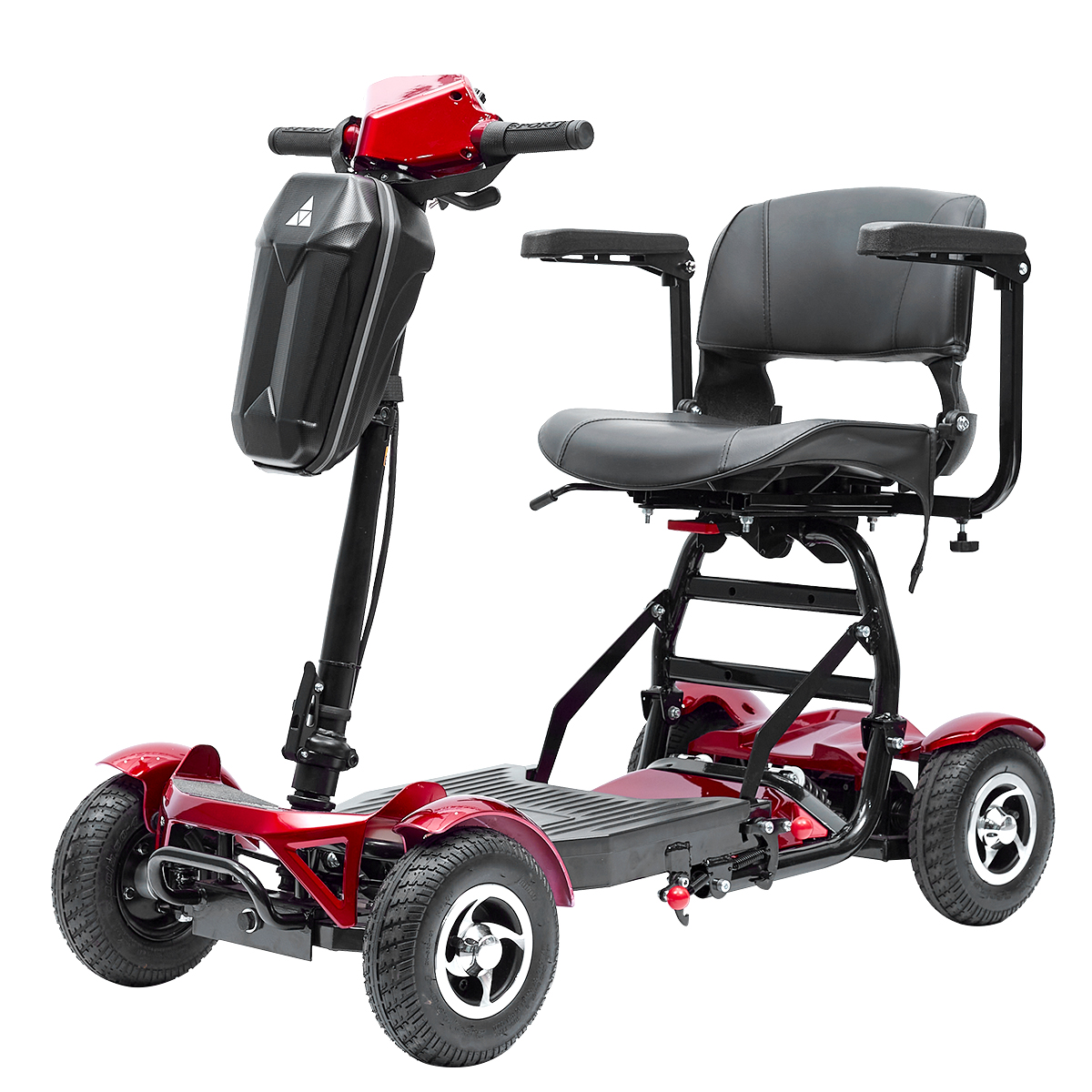
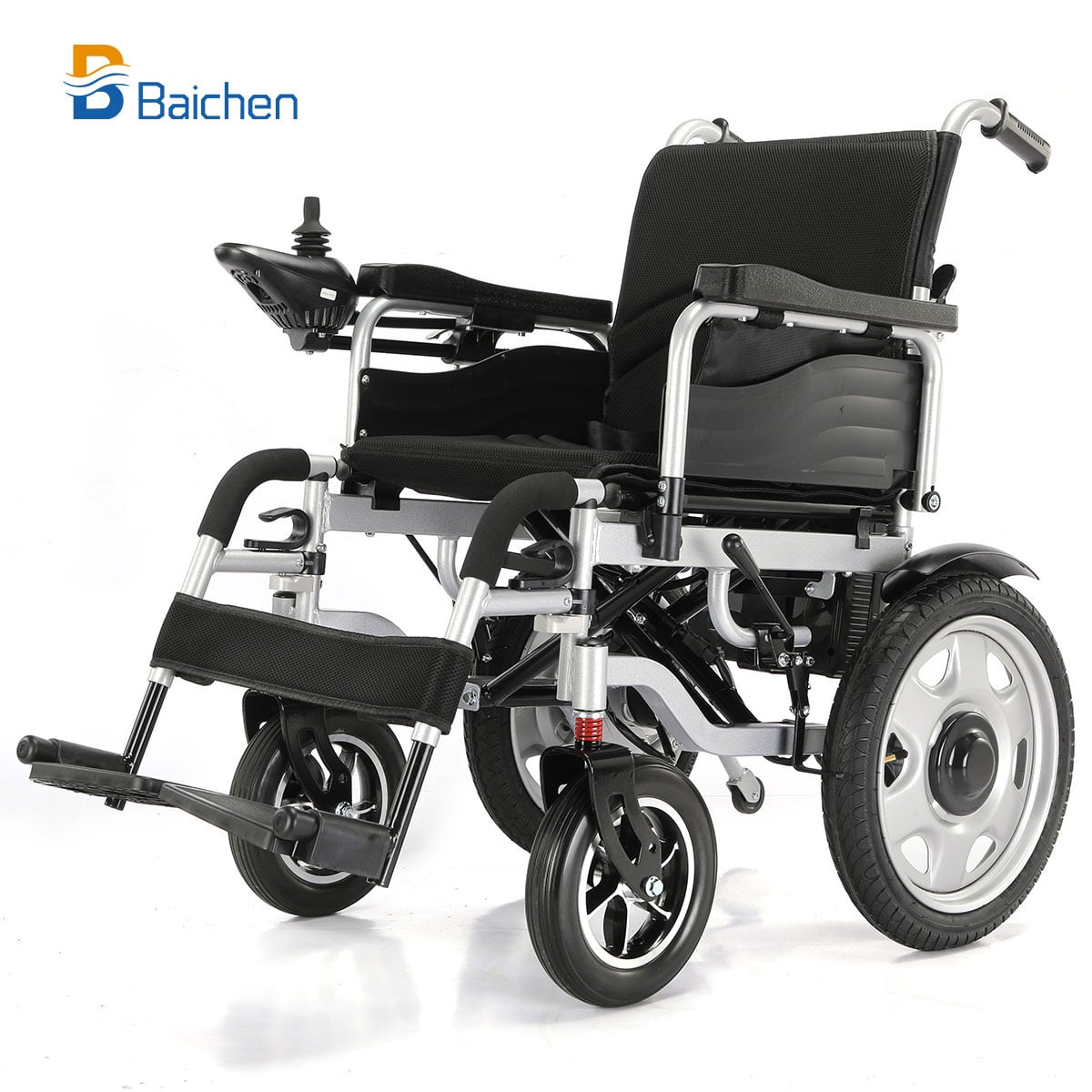
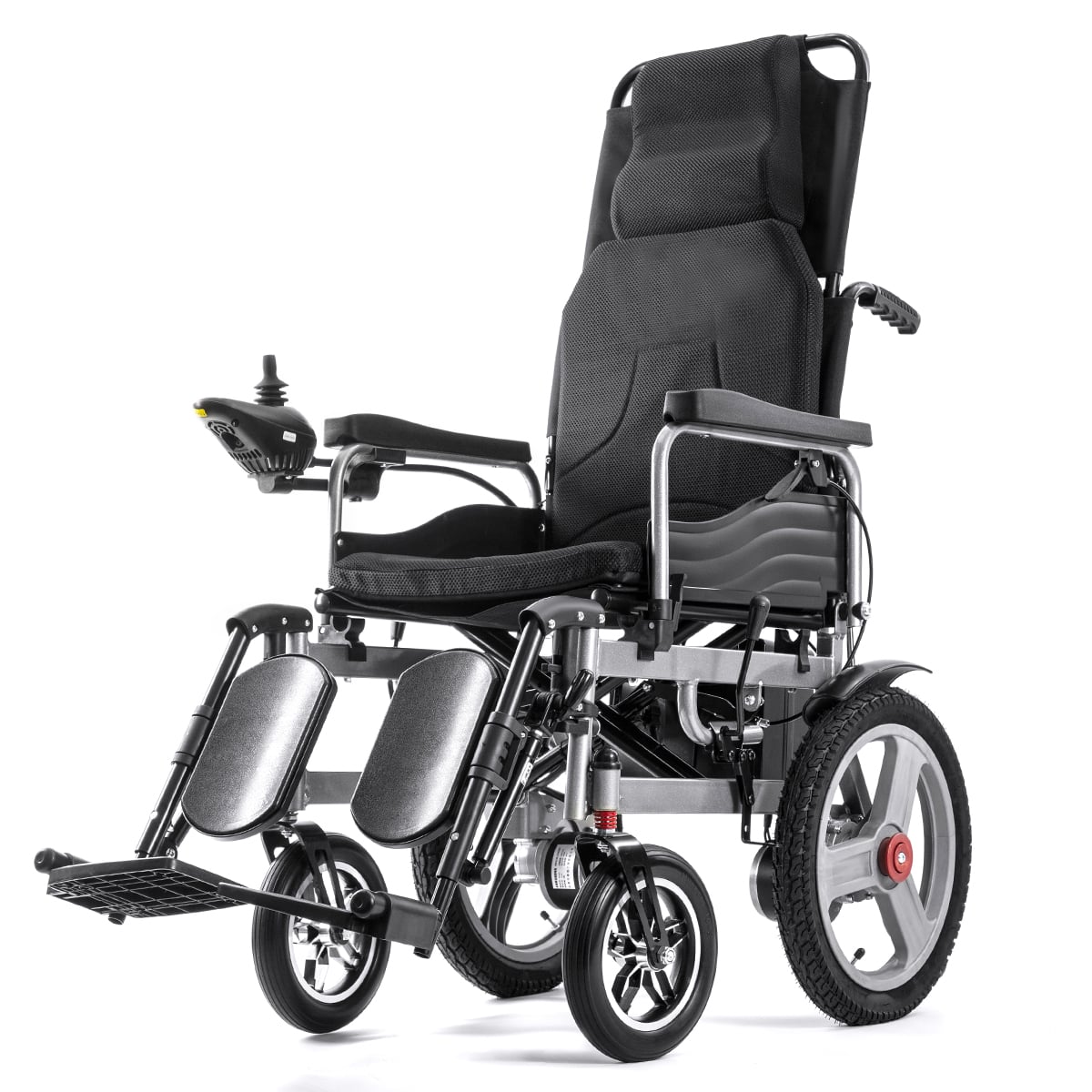
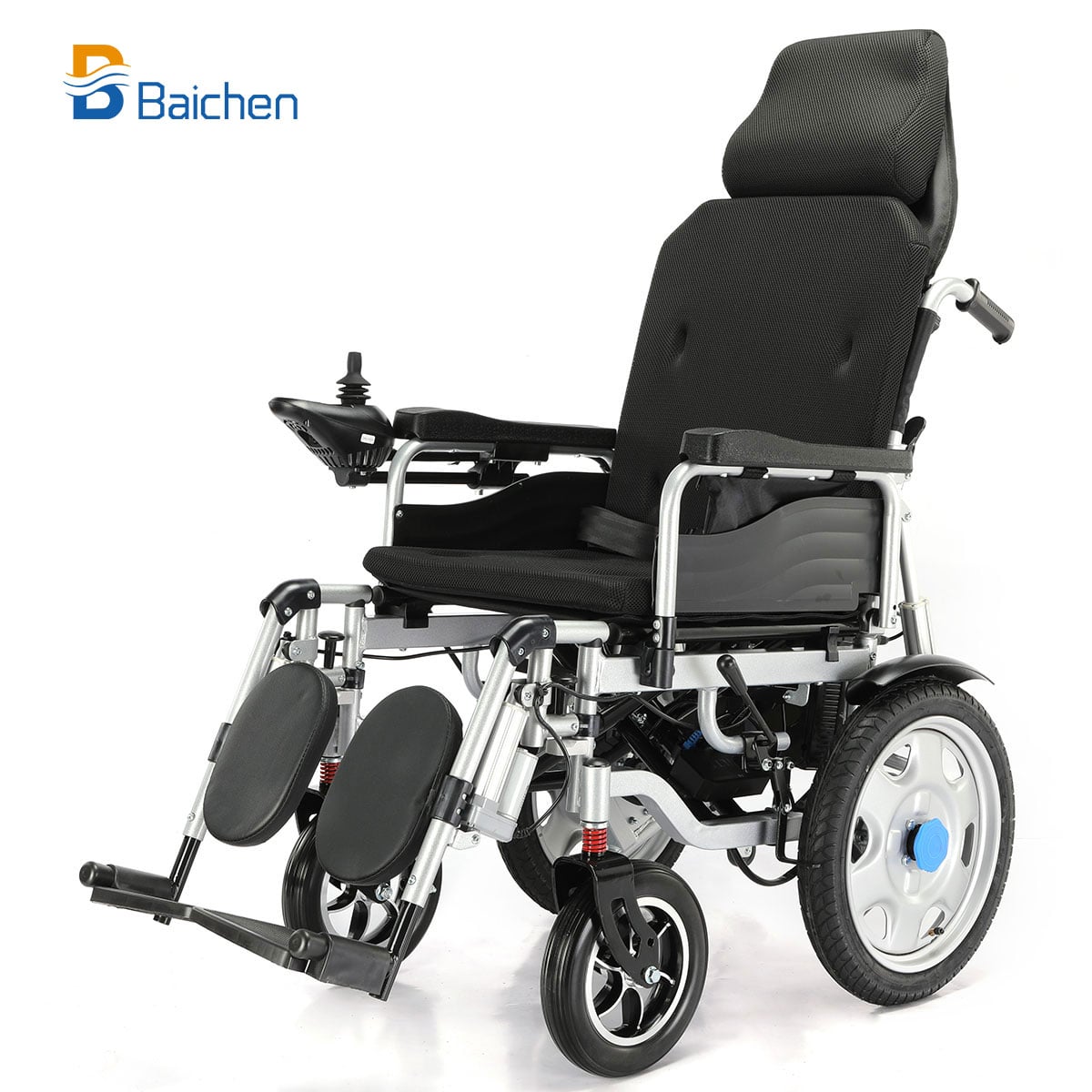
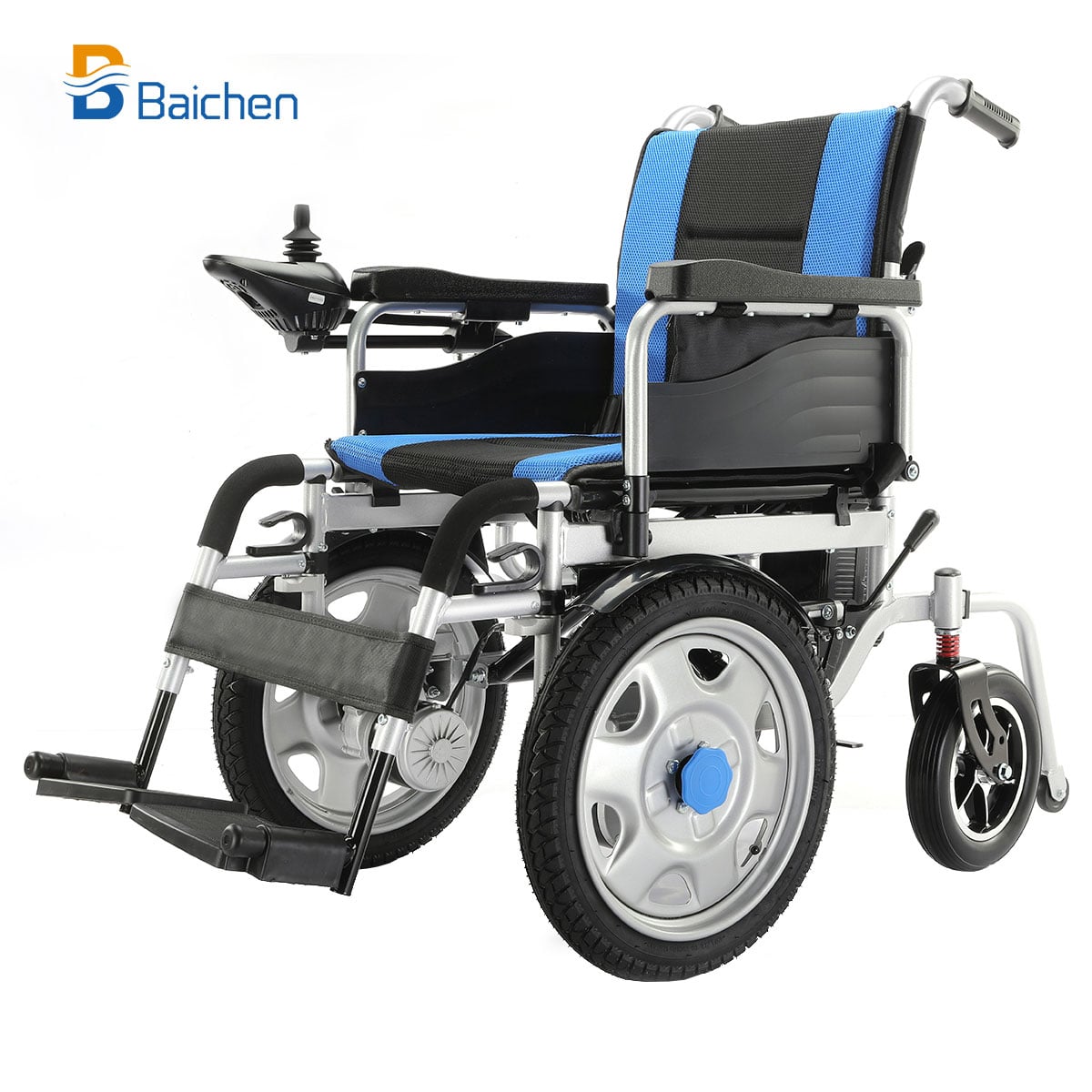
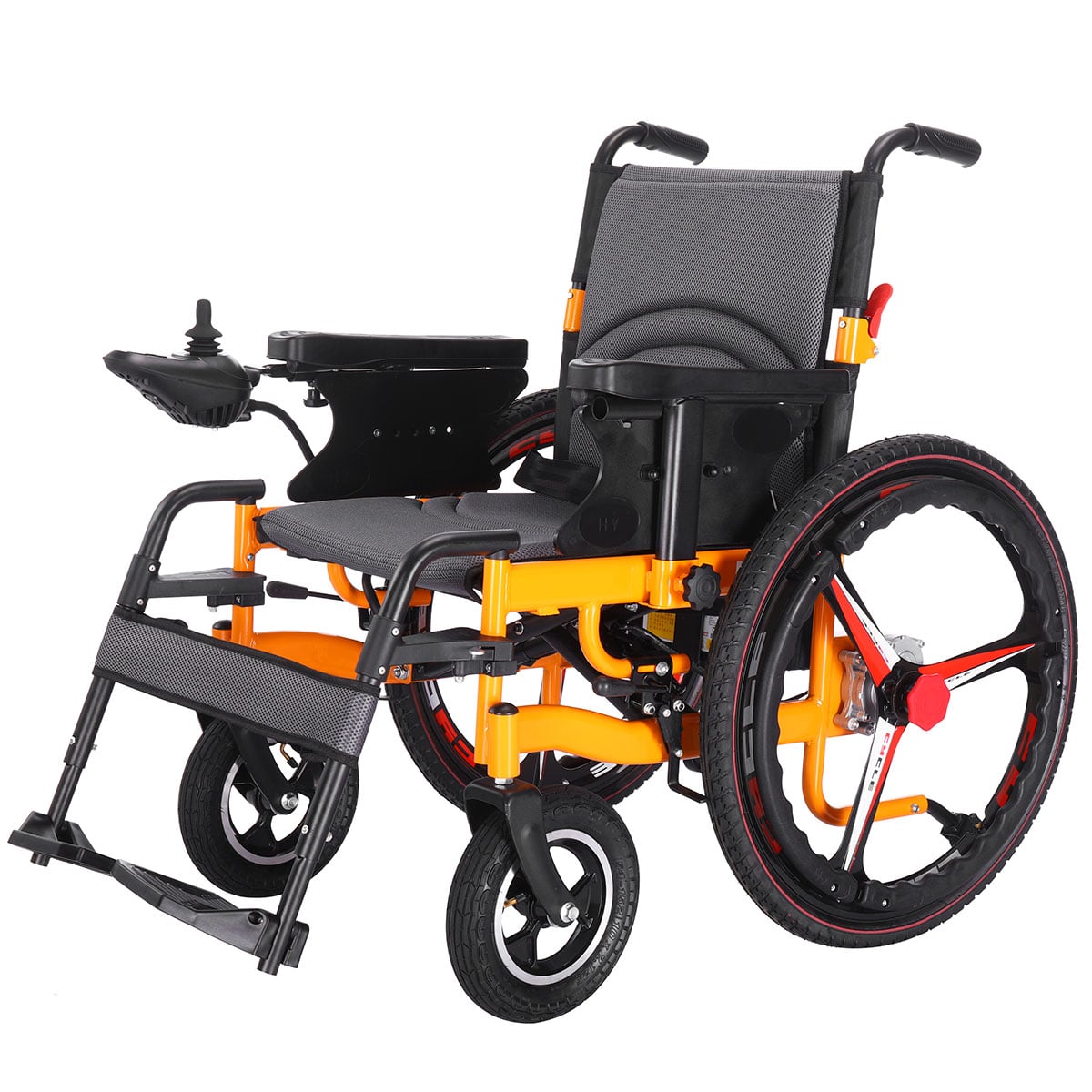
A sample is not approved merely because it looks good and drives well for five minutes. For a distributor, the useful question is: could a colleague who missed today’s meeting use the record six weeks from now and order exactly the same chair? That is what an electric wheelchair sample approval checklist is meant to achieve.
Our suggestion is simple. Put the sample on the table with the current quotation, the proposed labels and the packaging plan. Write down the precise configuration on the electric wheelchair sample approval checklist. Then use the chair as a dealer would: unfold it, switch it on, make a slow turn, stop, charge it and pack it again. Anything still undecided goes onto an open-points page with a name and a date. The test drive matters, of course. It just is not the whole approval.
This sounds obvious until two nearly identical photographs begin circulating in a buying group. One may show a different controller; another may have been taken before an accessory was changed. A message saying “use this one” is remarkably easy to misunderstand.
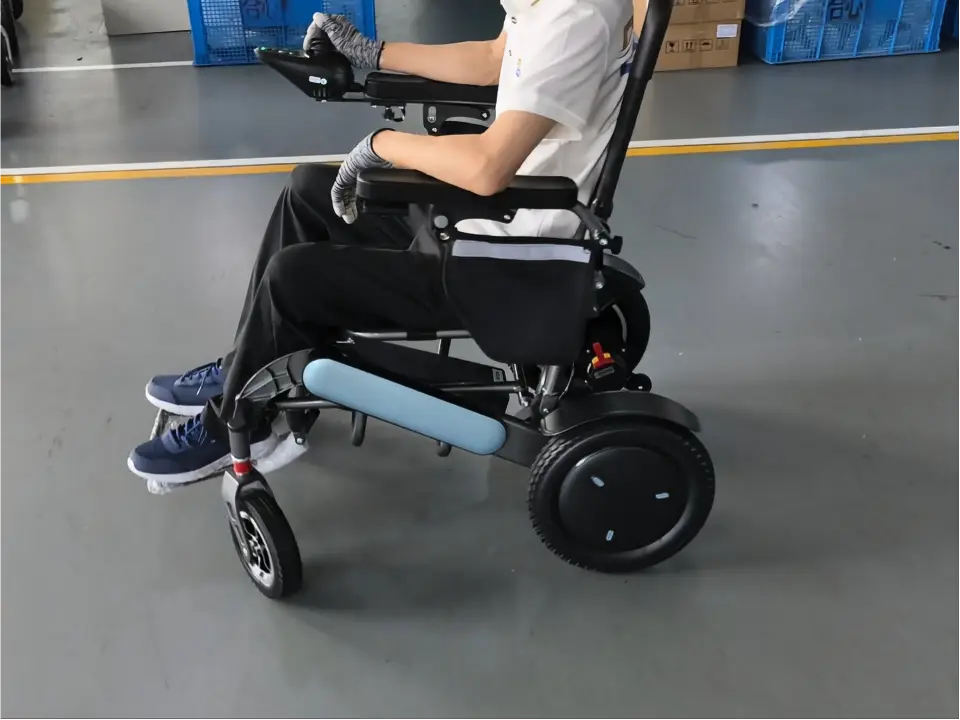
At Baichen, we begin with the unglamorous details: factory model, buyer SKU, sample date, revision number, frame and finish, seat and backrest, armrests, footrest, controller, battery, charger, wheels, accessories and packing version. Then come the pictures. We want a front, a back, each side, the chair folded, and the few close views that answer “which version is this?” No studio session is required. A clear phone photograph, even one with a notebook at the edge of the frame, is more useful than a beautiful image that hides the controller or label.
For commercial terms and model-level details, the quotation wins. Buyers can browse our electric wheelchair range to compare families, yet the catalogue is not a safe place to guess a missing option. Put the chair next to the written specification. See a mismatch? Circle it there and then, and decide which side is being changed. Write down the decision too.
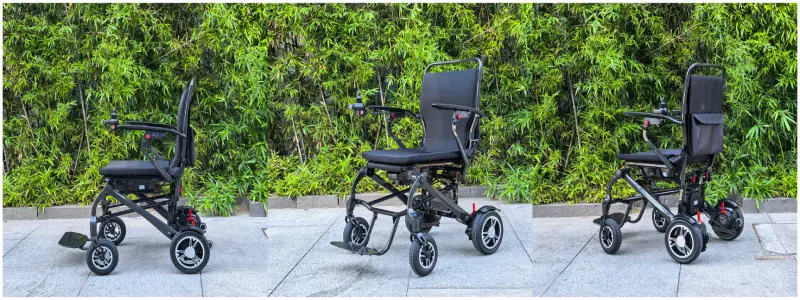
Here is a small test that tells us a surprising amount. Bring in somebody who missed the earlier calls, hand over the proposed manual or dealer sheet, and let that person work out the chair. Resist the urge to supply the next instruction. The pause before a question is part of the result.
First: can the person find the power control? Nudge the joystick and see whether it settles back at neutral. In a safe patch of floor, try the unexciting manoeuvres that real handovers depend on—creep forward, turn, reverse, stop. Fold the chair, open it, and do both again. If this particular version uses a removable battery, the newcomer should be able to take it out and put it back without a whispered hint. Charging point, freewheel control, identity label: ask where each one is. Nobody should need to search last month’s chat history for the answer.
The awkward questions are often the valuable ones. “Is this accessory included?” “Which latch comes first?” “Is that feature standard on our SKU?” If a new colleague asks, a dealer or customer may ask as well. Put the answer in the electric wheelchair sample approval checklist while the sample is still in front of everyone.
One boundary matters here. The electric wheelchair sample approval checklist reviews a product for sale; it does not assess an individual’s clinical seating. When posture, pressure, transfer or control needs become complex, bring in an appropriately qualified local professional. Around the sample table, our narrower task is to check that the sales claim, the instructions and the dealer’s planned demonstration are talking about the same chair.
“Feels good” belongs in the notes; we would not delete it. The trouble is that tomorrow’s inspector cannot repeat a feeling. Give that person something visible instead: “During our agreed check, the folding latch closed all the way and remained locked.” Now there is an action and something to observe.
Move across the chair in a sensible order—finish, assembly, moving pieces, controls, braking behaviour, charging, accessories, paperwork, then the box. Plain language works best because the note may be read in another country months later. Also, leave laboratory thresholds out of a showroom check. If the destination market calls for formal tests or documents, ask for evidence tied to the exact model and have the responsible importer or compliance specialist judge it. We use separate columns for “handled here”, “evidence reviewed” and “still open”. Mixing those three is how an unchecked point acquires an accidental tick.
Open the carton while the sample meeting is still happening. It is a far cheaper moment to notice that a joystick sits close to cardboard or that a footrest can touch upholstery. Give the packed box a careful look from above: is the chair the right way round, is it held in place, and where have the charger and small accessories gone? Unpack it once without special knowledge. The manual, product label, barcode and project shipping marks should all be where the receiving team expects them.
Logo, colour, cushion, packing and related project choices can be discussed with our custom manufacturing services team. One caution from us: sign off the box intended for your order. A pristine example from somebody else’s project proves very little.
Does one sample cover every colour or battery choice?
Not automatically. Write down the colours or battery choices that this chair actually represents. A variation that changes the hardware, paperwork, packing or customer instructions deserves its own approval, or at least clear supporting evidence attached to the same record.
Usually, no. Invite the people who can make the call: purchasing, somebody responsible for product or quality, and the supplier contact. Private-label work can pull in artwork or regulatory staff as well. Five extra names at the bottom will not rescue a decision that has no owner.
A video is excellent for an early look or for showing that a small correction was made. We would be slower to use it as the only evidence for a new launch. A chair on the buyer’s floor reveals how it handles, how it arrives, and what the dealer will have to explain. The larger the commercial risk, the stronger the review should be.
When you contact us, include the destination market, the dealer’s usual demonstration routine and the model family being considered. That gives the conversation a real starting point. We can then work around one named configuration and the matching product information. Bring your electric wheelchair sample approval checklist too. Browse the wheelchair collection first if that helps, or send the project notes directly through the Baichen contact page.
 EN
EN
 AR
AR
 BG
BG
 HR
HR
 CS
CS
 DA
DA
 NL
NL
 FI
FI
 FR
FR
 DE
DE
 EL
EL
 IT
IT
 JA
JA
 KO
KO
 NO
NO
 PL
PL
 PT
PT
 RO
RO
 RU
RU
 ES
ES
 SV
SV
 TL
TL
 IW
IW
 ID
ID
 LV
LV
 LT
LT
 SR
SR
 SK
SK
 SL
SL
 VI
VI
 HU
HU
 TH
TH
 TR
TR
 FA
FA
 GA
GA
 CY
CY