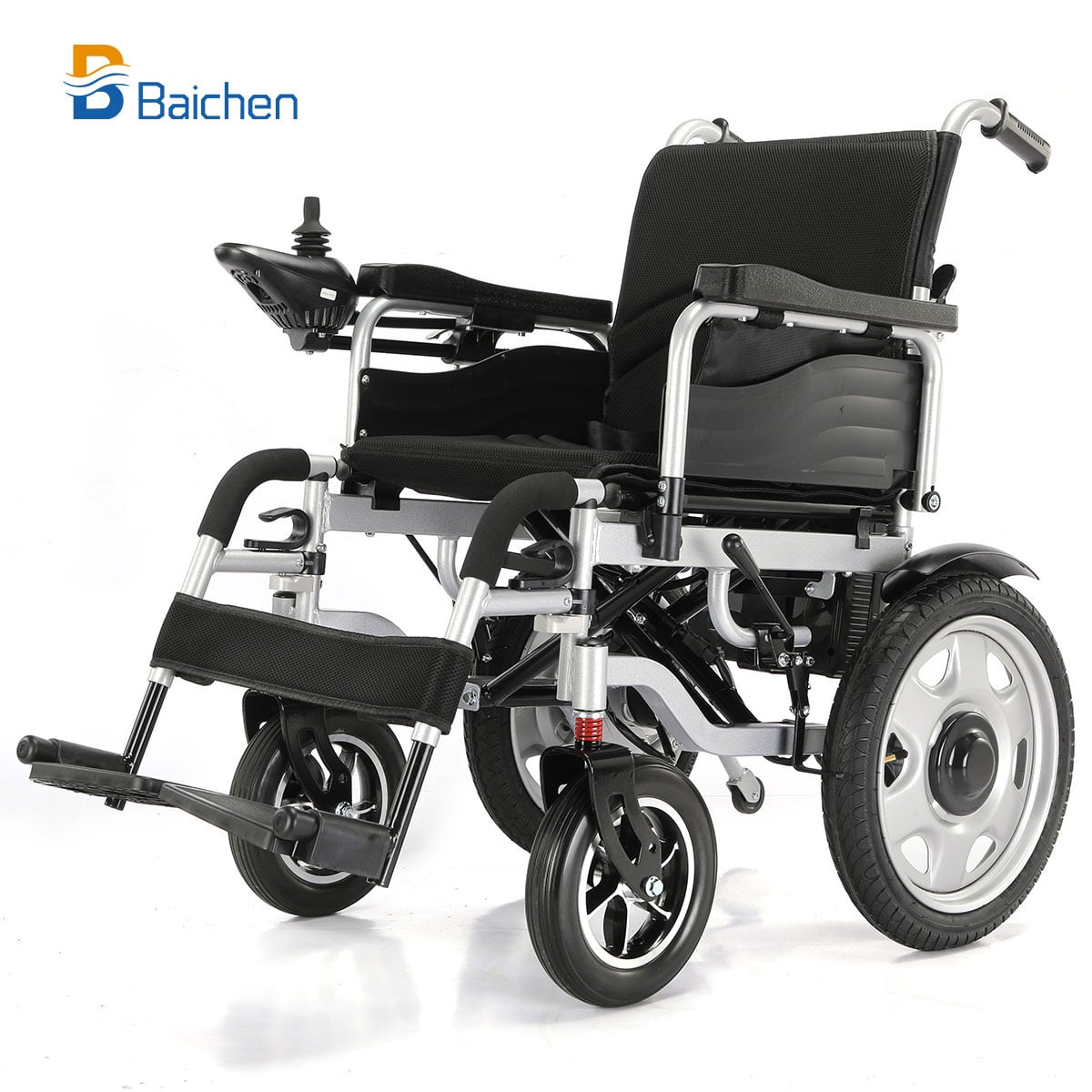
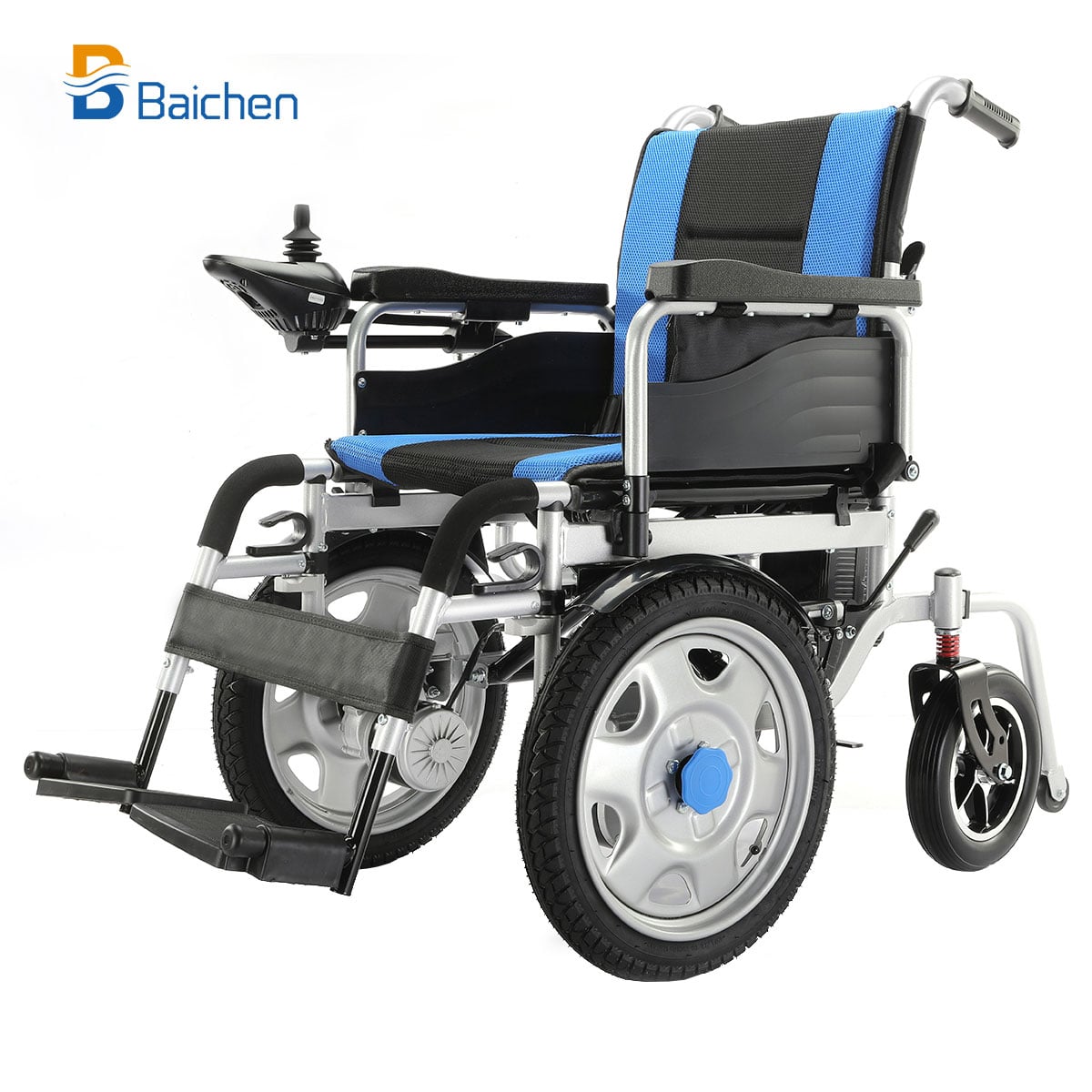
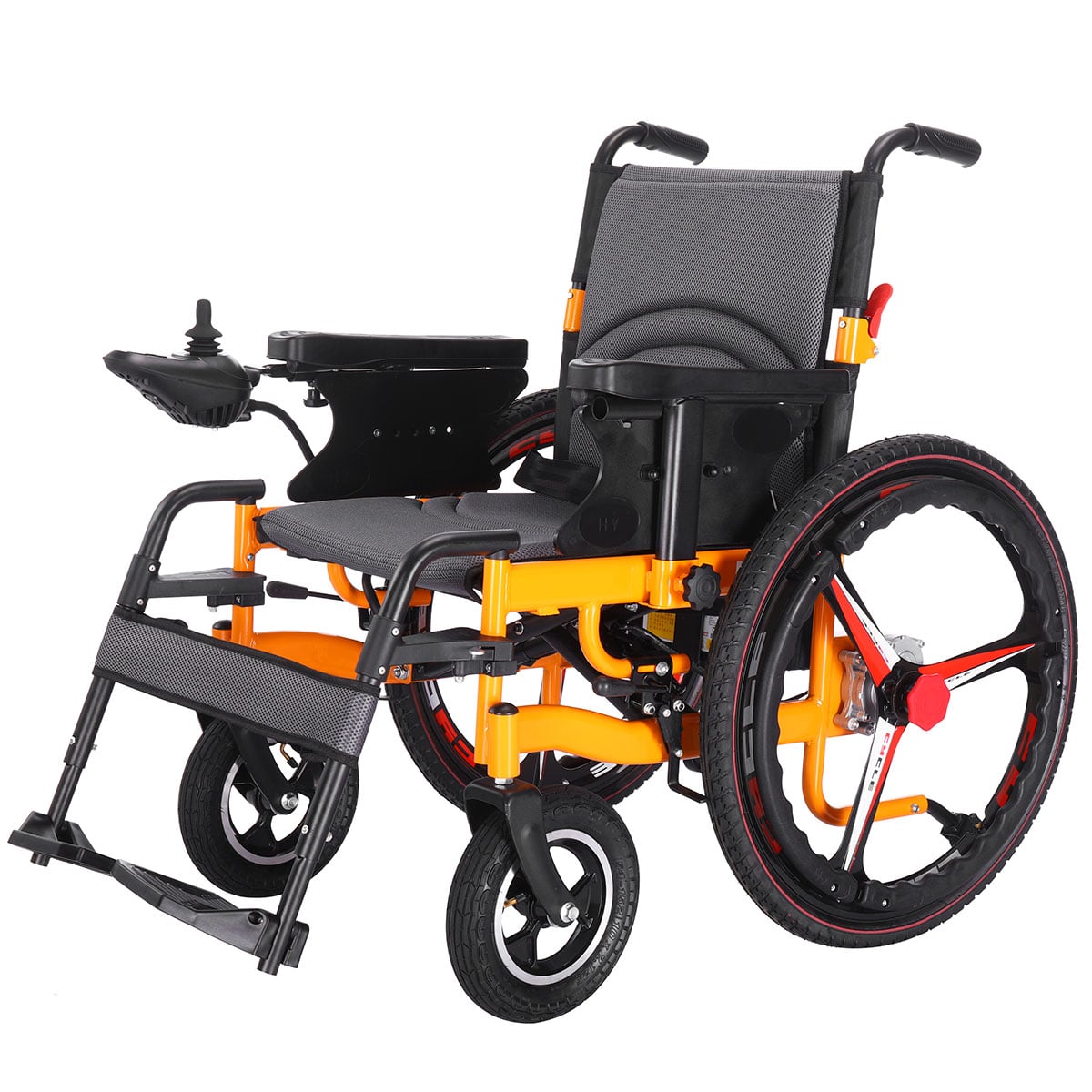
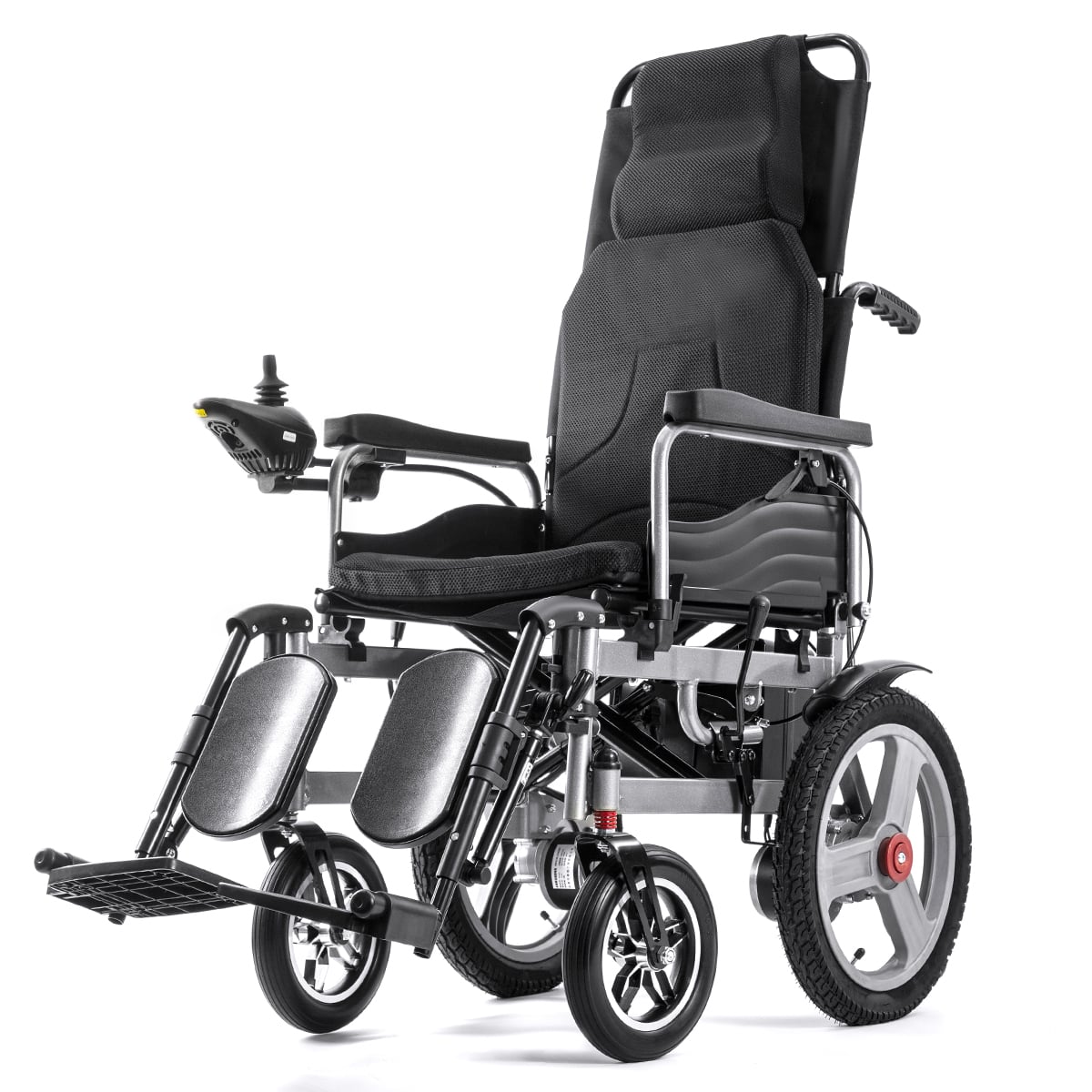
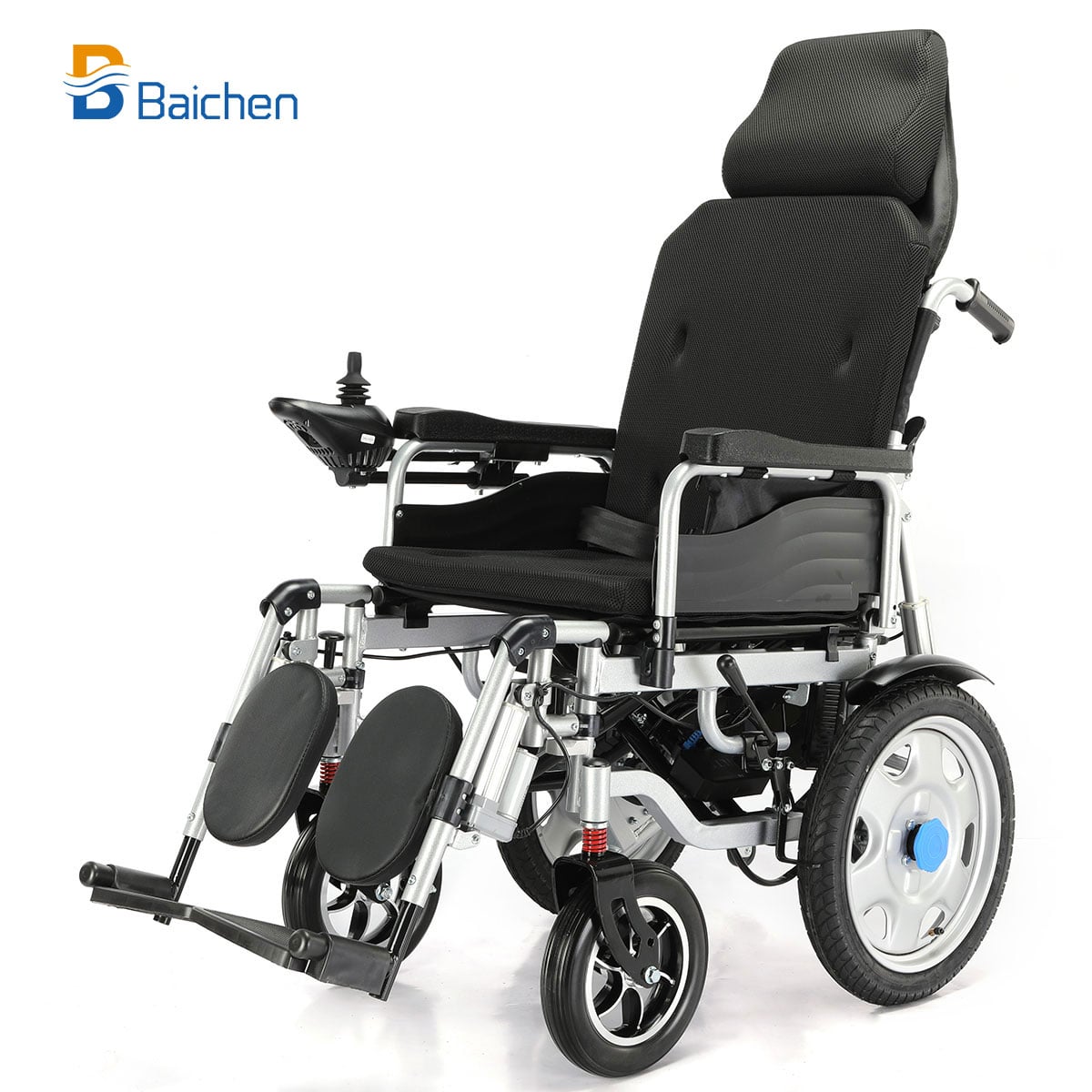
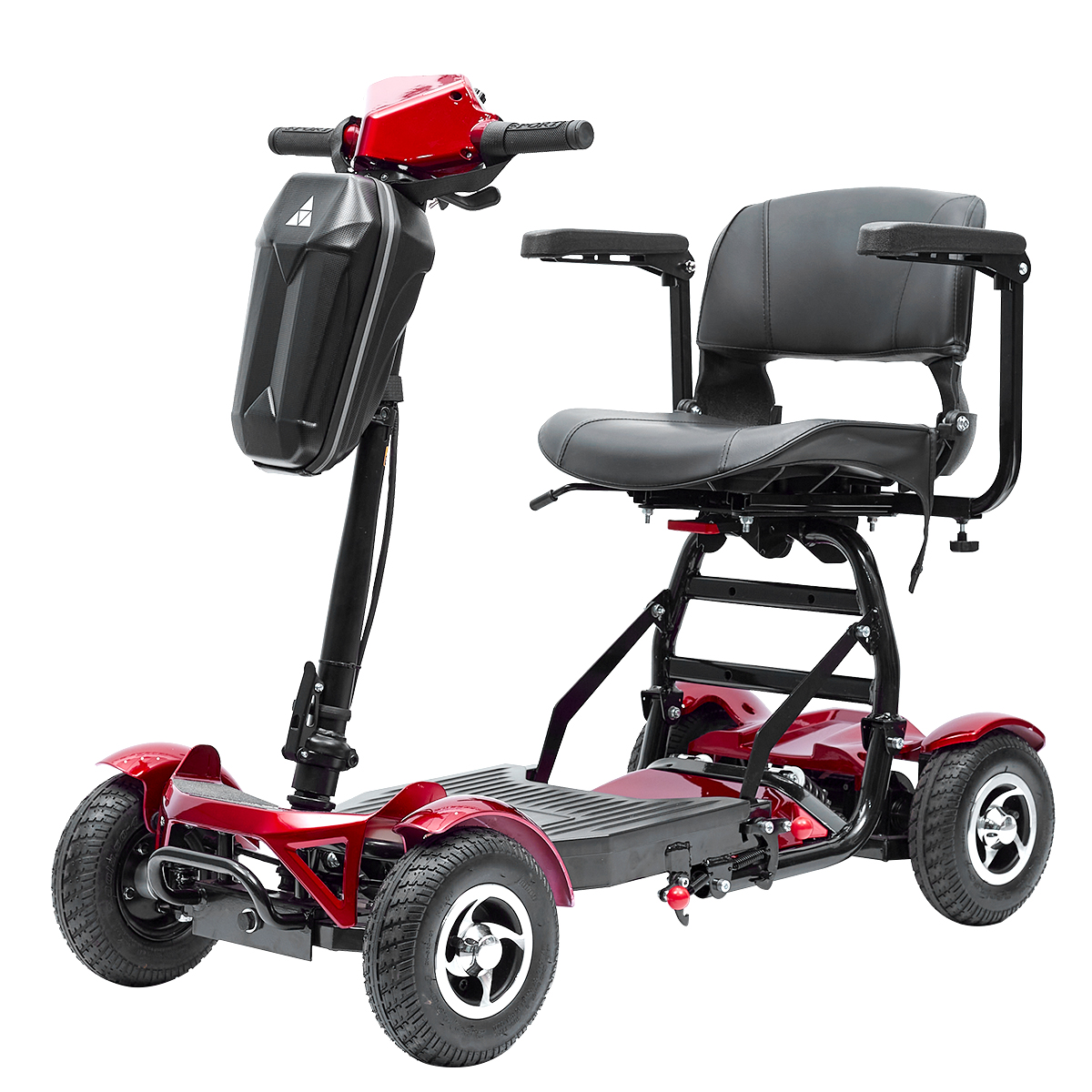
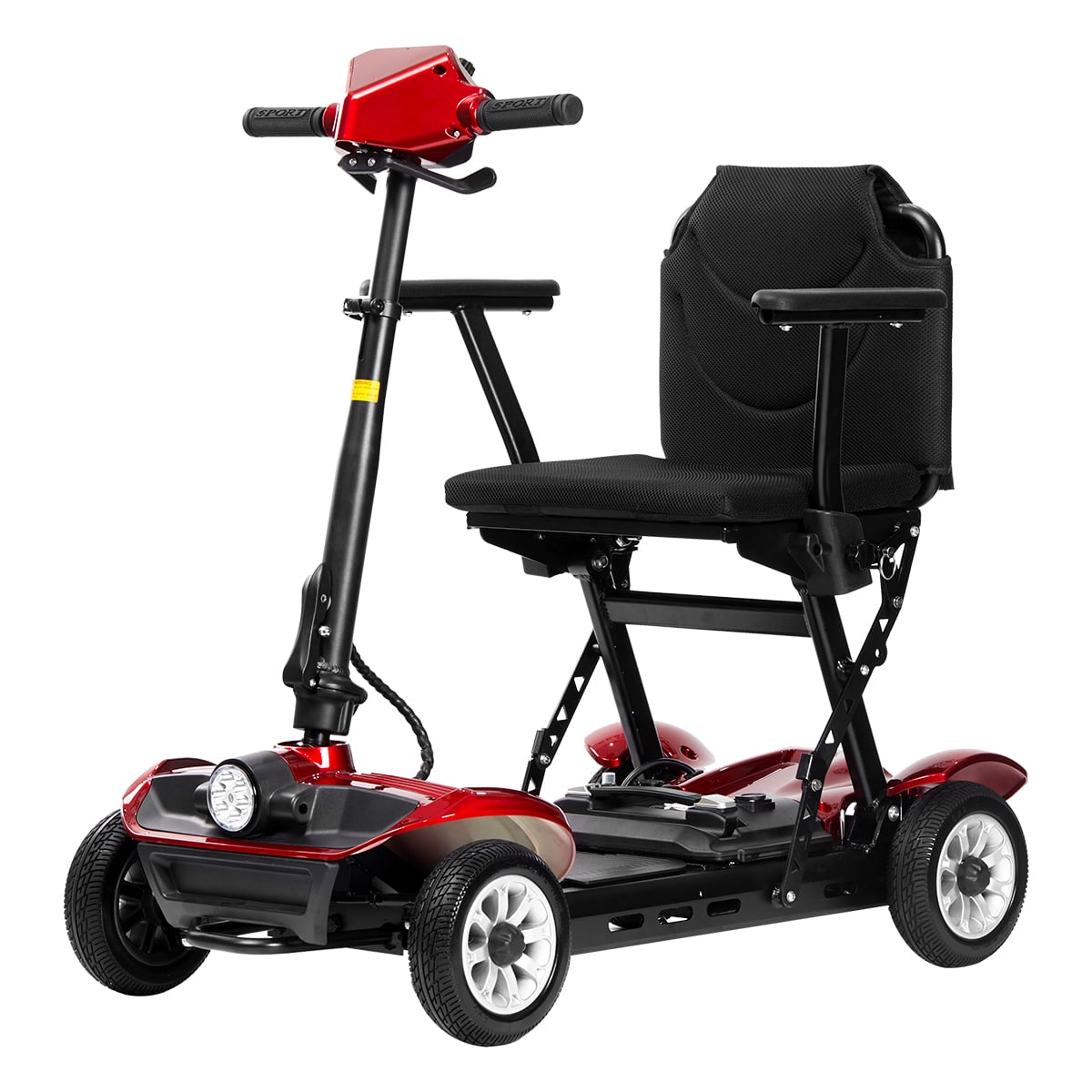
از سال ۲۰۲۶، اتحادیه اروپا مشخصات ایمنی و فنی بهروزشده خود را برای صندلیهای چرخدار برقی و اسکوترهای تحرکی اجرا میکند که بر اساس بازنگری در استاندارد EN 12184 و همراه با بخشهای تکمیلی اضافی تدوین شدهاند. این قوانین جدید الزامات سختگیرانهتری را نسبت به برندهای تولیدکننده صندلیهای چرخدار صادرکننده به اروپا اعمال میکنند. تیم نظارتی شرکت Baichen سه تغییر مهمتر را تحلیل کرده تا بازیگران صنعت و کاربران نهایی بتوانند بهموقع آماده شوند.
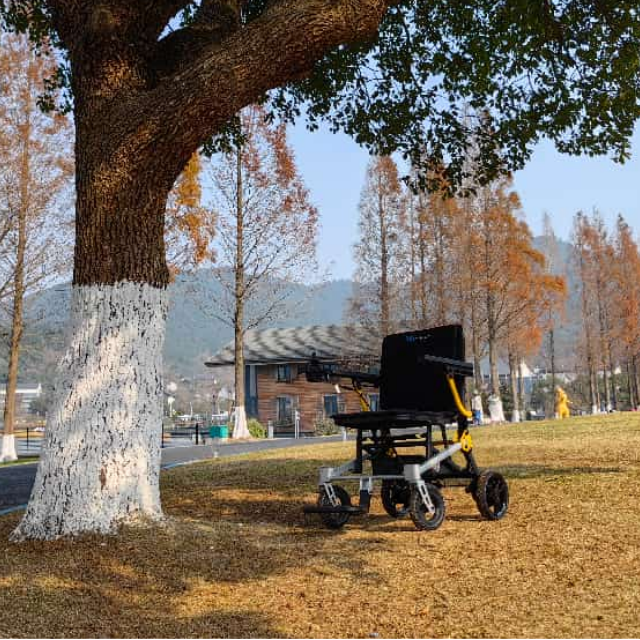

تغییر ۱: محدودیتهای سرعت اکنون به سناریوهای عملیاتی وابستهاند
استانداردهای اولیه اتحادیه اروپا سقفهای سرعت نسبتاً گستردهای تعیین کرده بودند که عموماً بین ۶ تا ۱۵ کیلومتر بر ساعت بود. چارچوب سال ۲۰۲۶ یک «طبقهبندی سرعت وابسته به مورد استفاده» را معرفی میکند:
استفاده در محیط داخلی: حداکثر سرعت از ۶ کیلومتر بر ساعت بیشتر نباشد که باید از طریق یک کلید فیزیکی یا مکانیزم قفلسازی نرمافزاری اعمال شود تا از کارکرد غیرعمدی جلوگیری شود.
استفاده در پیادهرو یا لانه دوچرخهسواری: حداکثر سرعت از ۱۲ کیلومتر بر ساعت تجاوز نکند که این امر قاعده را با آخرین بهروزرسانیهای آییننامه ترافیک در فرانسه و آلمان همسو میسازد.
حالت راهرفتن کمکشده: سرعت کمکشده توسط موتور حداکثر ۶ کیلومتر بر ساعت باشد و قطع توان در عرض یک ثانیه پس از رها کردن دستههای هلدهنده توسط کاربر انجام شود.
تغییر ۲: الزامات سختگیرانهتر سازگاری الکترومغناطیسی (EMC)
با ادغام بیشتر صندلیهای چرخدار الکتریکی — که شامل کنترلکنندههای پیچیده، سیستمهای مدیریت باتری لیتیومیون و ماژولهای بیسیم میشوند — آسیبپذیری آنها در برابر تداخل الکترومغناطیسی افزایش یافته است. استانداردهای جدید ۲۰۲۶ محدوده فرکانسی آزمون مقاومت در برابر تداخل الکترومغناطیسی (EMC) را از محدوده قبلی ۳۰ مگاهرتز تا ۱ گیگاهرتز به ۸۰ مگاهرتز تا ۲٫۷ گیگاهرتز گسترش داده و الزامات اضافیای را معرفی کردهاند:
مقاومت در برابر تابش الکترومغناطیسی: از ۱۰ ولت بر متر به ۲۰ ولت بر متر افزایش یافته است که تداخل ناشی از منابع قوی مانند ایستگاههای پایه ۵G و صفحات شارژ بیسیم را شبیهسازی میکند.
تفکیک الکترواستاتیک (ESD): تخلیه تماسی ±۸ کیلوولت و تخلیه هوایی ±۱۵ کیلوولت؛ در طول آزمون، صندلی چرخدار نباید شتاب غیرمجاز، ترمز ناگهانی یا از دست دادن کنترل فرمان را نشان دهد.
مقاومت در برابر تداخل از طریق هادی: حفاظتهای جدیدی علیه رویدادهای نوسانی (سرج) هنگام اتصال یا قطع شارژرهای داخلی خودرو ارائه شده است.
تغییر ۳: عملکرد سختتر در توقف روی شیب و مقاومت در برابر غلتیدن به عقب
انعکاس چشماندازهای شهری شیبدار که در بسیاری از شهرهای اروپایی (مانند لیسبون و ادینبرو) یافت میشوند، استانداردهای اصلاحشده، انتظارات عملکردی مربوط به شیب را دوباره تعریف میکنند:
پارک ایستا روی شیب: شیب مورد نیاز تحت بار کامل از ۸° به ۱۲° افزایش یافته است. صندلی چرخدار باید بدون لغزش بر روی سطح آزمایشی صاف و مرطوب به مدت ۳۰ دقیقه در حالت ایستا باقی بماند.
شروع پویا روی شیب: صندلی چرخدار باید قادر باشد از حالت توقف کامل روی رمپی با شیب ۱۰° بهصورت نرم و بدون جفتشدن شروع به حرکت کند، بهطوریکه بازگشت عقب حداکثر ۱۰۰ میلیمتر باشد.
پاسخ شرکت بایچن: پیشگامی از طریق انطباق فعال
دوره انتقال برای مقررات جدید در ۳۱ دسامبر ۲۰۲۵ پایان مییابد. پس از آن تاریخ، هر دسته جدیدی از صندلیهای چرخدار برقی که وارد بازار اتحادیه اروپا میشوند، باید مطابق قوانین بهروزرسانیشده گواهینامهدهی شوند. شرکت بایچن از پیش با مؤسسات TÜV SÜD و SGS همکاری کرده و آزمونهای پیشگواهینامهدهی را روی ۱۱ مدل از محصولات خود انجام داده است و همچنین مکانیسمی برای پایش ماهانه هرگونه بازنگری بعدی در استانداردها ایجاد کرده است.
در نهایت، این الزامات سختگیرانهتر، انعکاسی از تعهد عمیقتر به ایمنی کاربران است. شرکت بایچن به سرمایهگذاری در تحقیقات مقرراتی و مهندسی پیشرفته ادامه خواهد داد تا اطمینان حاصل شود که هر صندلی چرخداری که به اروپا صادر میشود، نهتنها مطابق با استانداردهای جدید باشد، بلکه تجربهای برتر نیز ارائه دهد. برای مشاهده گزارشهای دقیق آزمون یا مشاورههای فنی، لطفاً به وبسایت رسمی بایچن مراجعه نمایید.
بایچن متعهد است با استفاده از فناوری نوآورانه و طراحی متمرکز بر انسان، راهحلهای هوشمند جابجایی ایمنتر و راحتتری را به کاربران سراسر جهان ارائه دهد. برای اطلاعات بیشتر درباره محصولات و راهنمای سفر، لطفاً وبسایت رسمی بایچن را بازدید کنید.
شرکت محدوده تجهیزات پزشکی نینگبو بایچن،
+86-18058580651
Baichenmedical.com
 EN
EN
 AR
AR
 BG
BG HR
HR
 CS
CS
 DA
DA
 NL
NL
 FI
FI FR
FR
 DE
DE EL
EL
 IT
IT JA
JA
 KO
KO
 NO
NO PL
PL PT
PT RO
RO
 RU
RU
 ES
ES
 SV
SV
 TL
TL
 IW
IW
 ID
ID
 LV
LV
 LT
LT
 SR
SR
 SK
SK
 SL
SL
 VI
VI
 HU
HU
 TH
TH
 TR
TR
 FA
FA
 GA
GA
 CY
CY