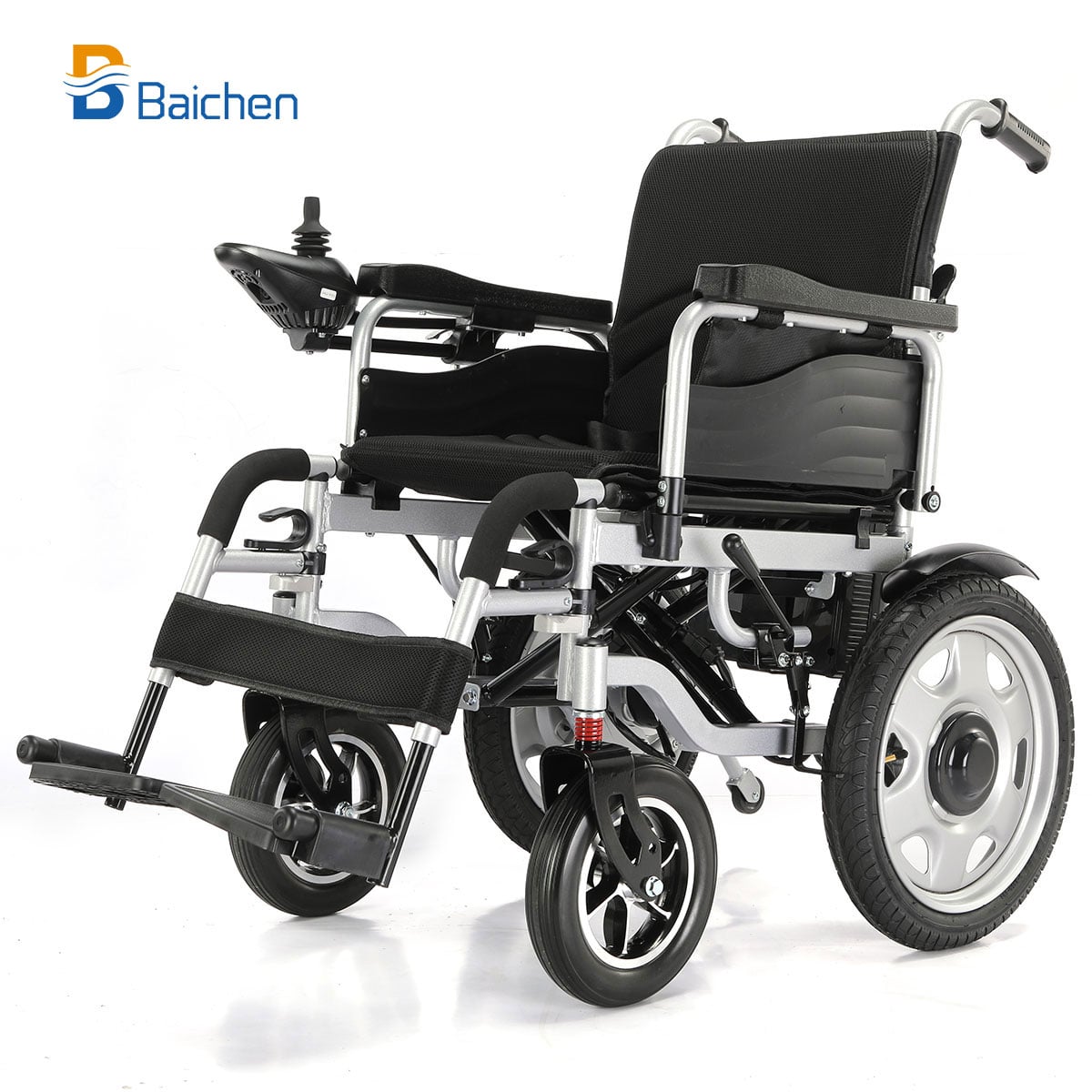
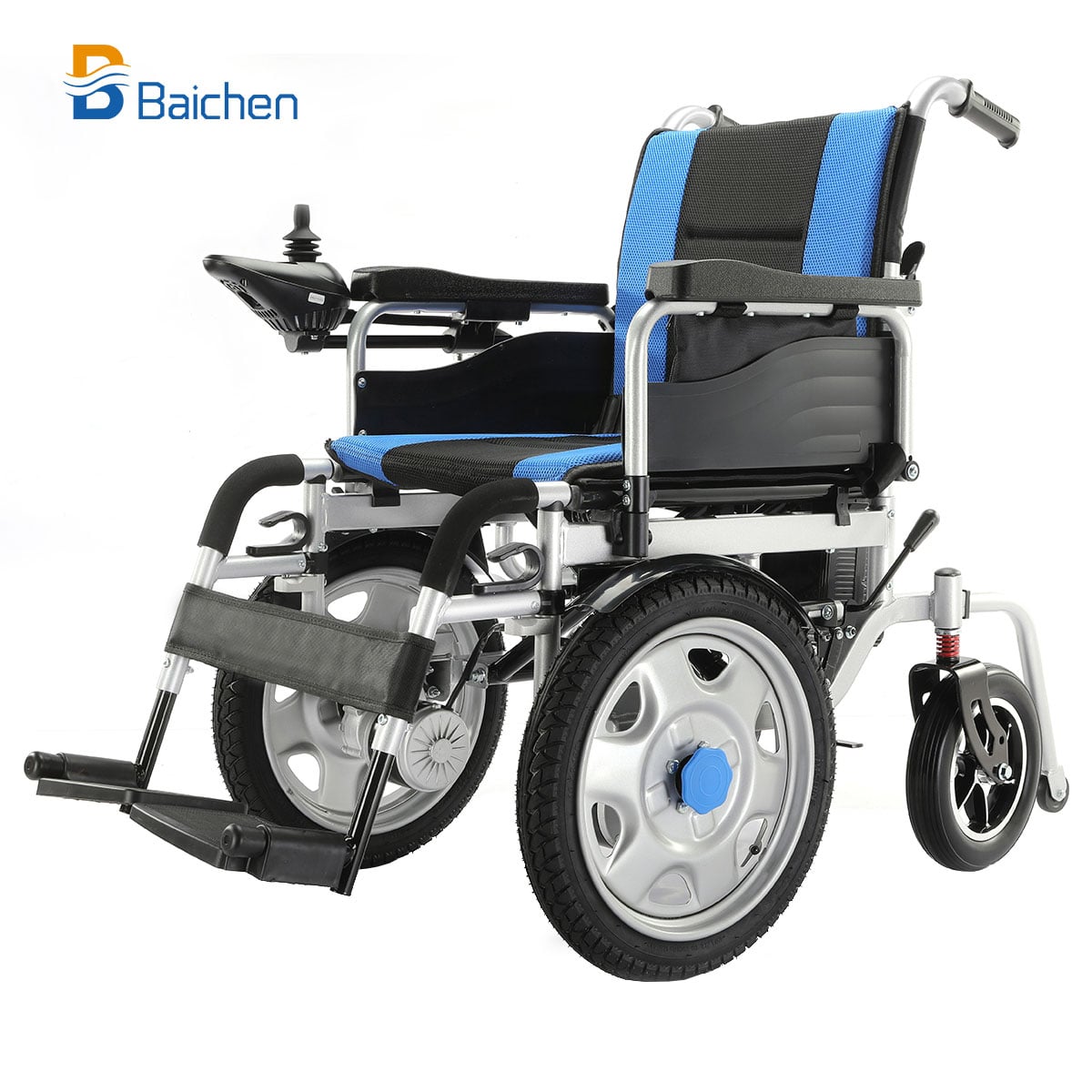
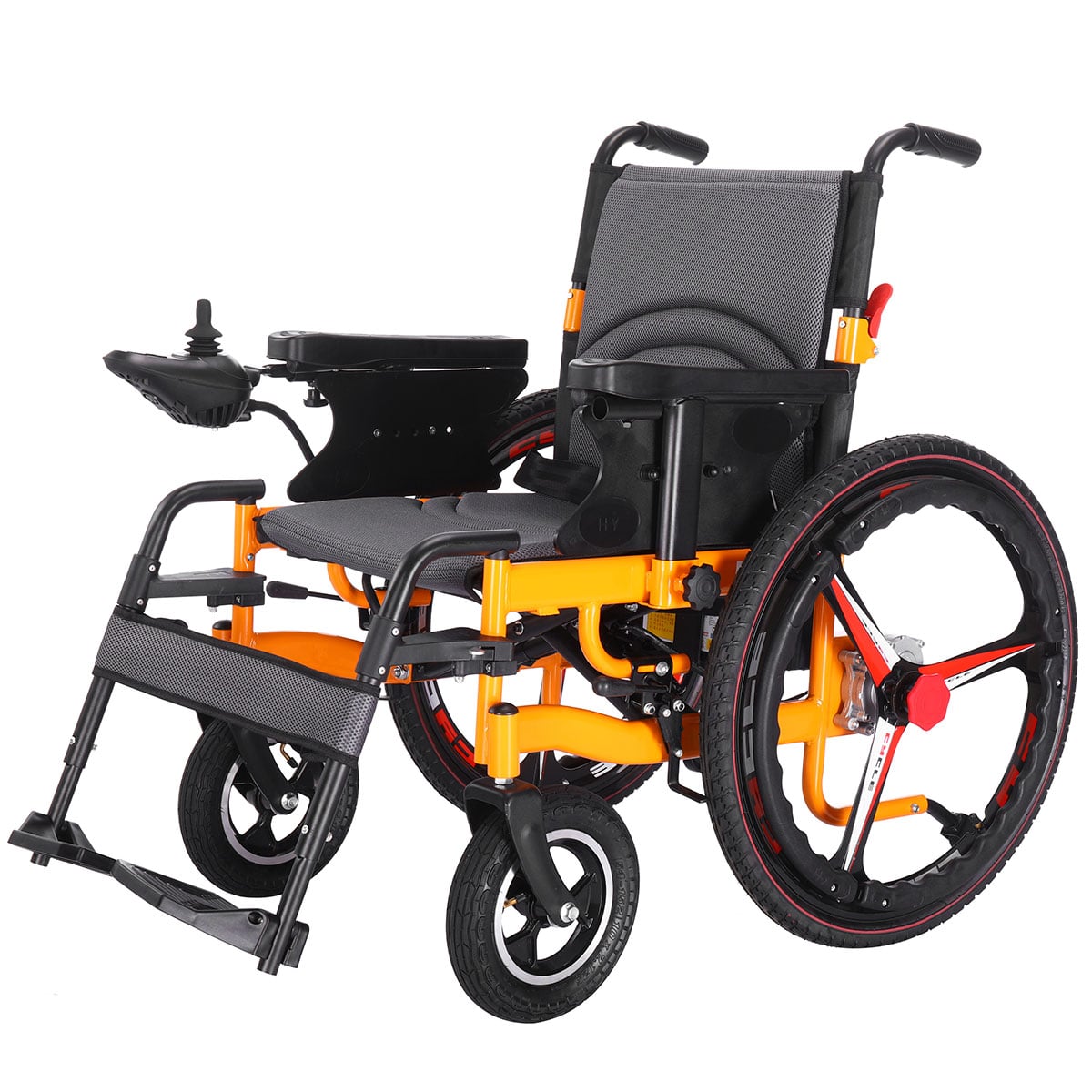
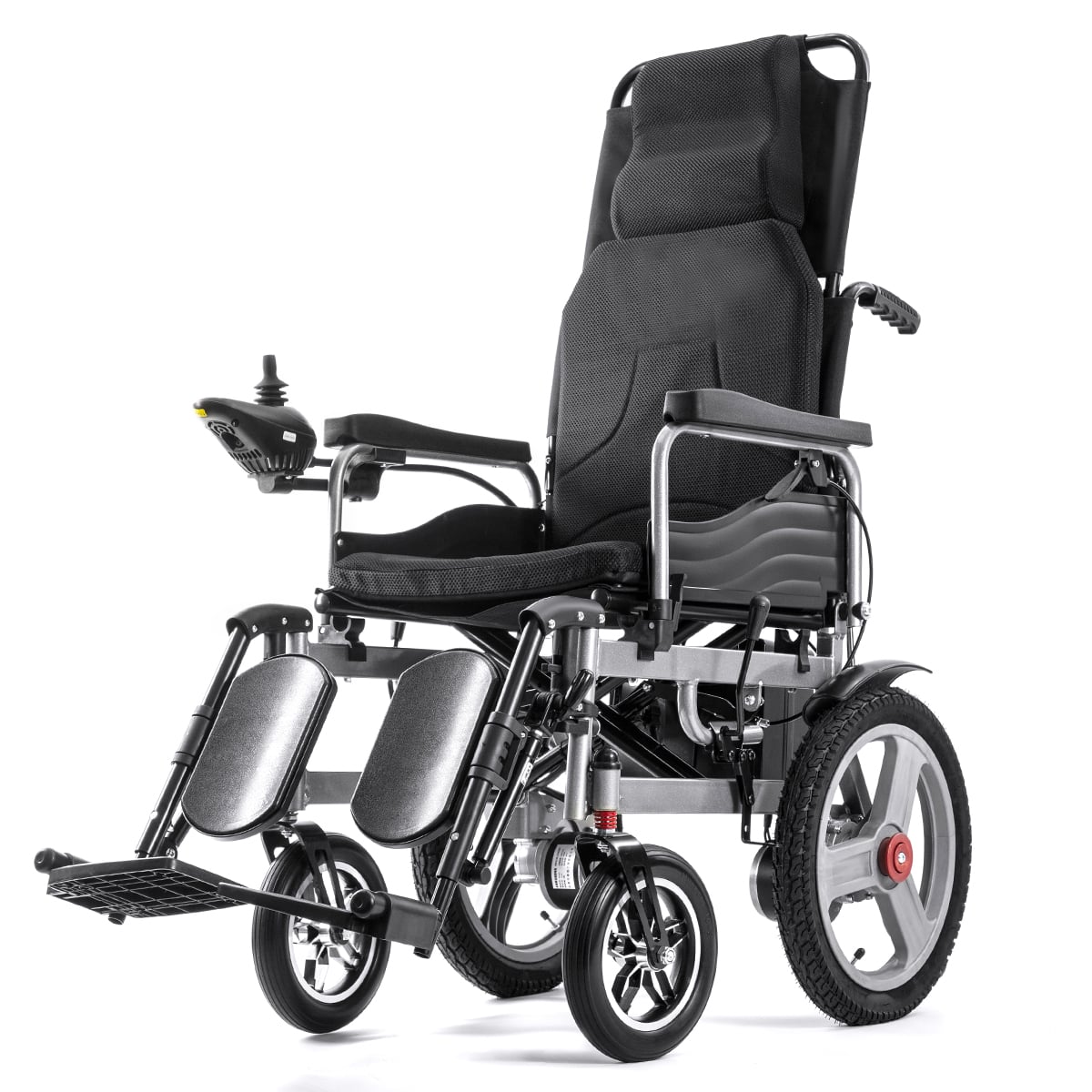
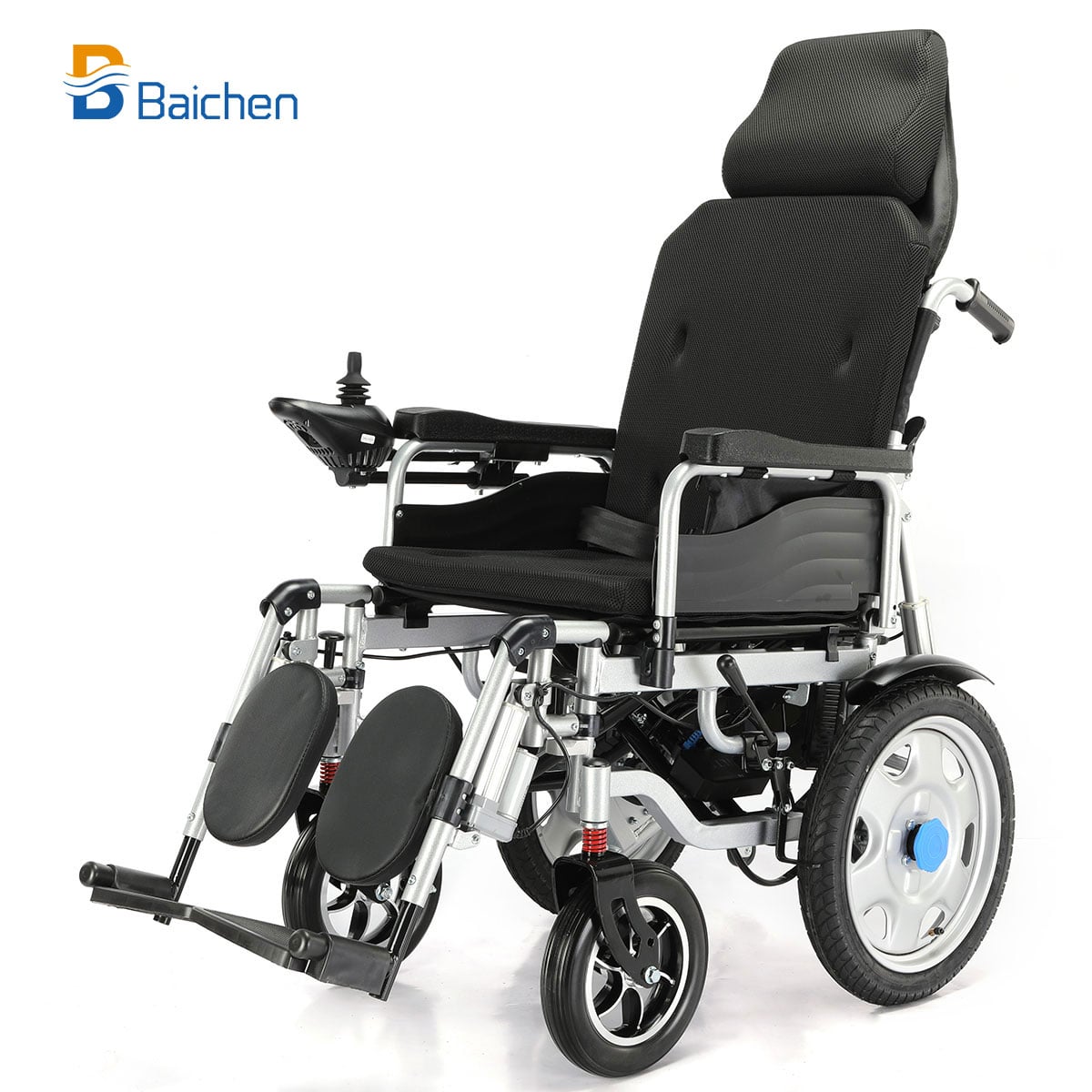
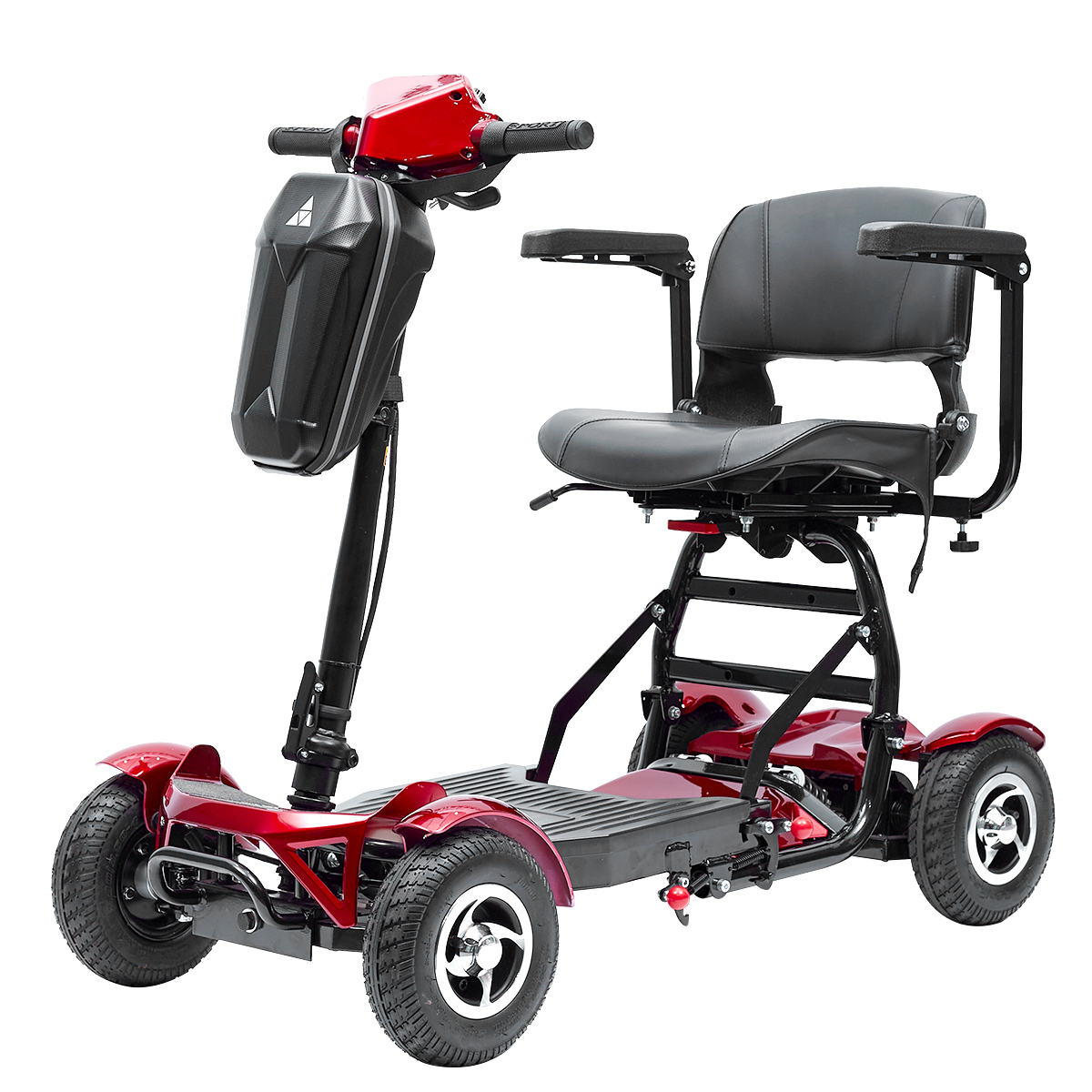
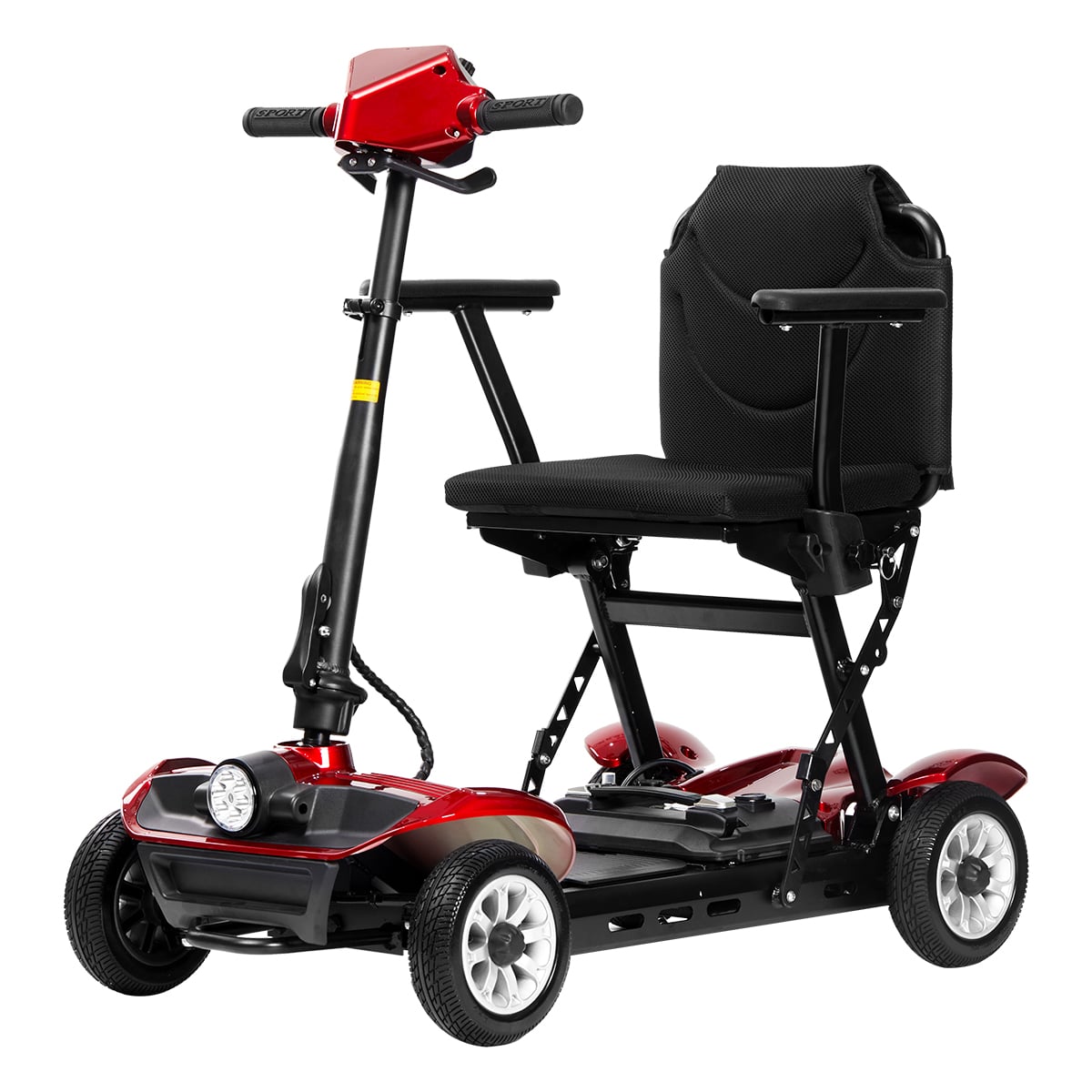
Your sample can look finished and still leave the most important questions open. Perhaps the color is right but the controller setting is temporary. Perhaps the chair drives well but the carton has not been tested. Perhaps the team approved a photograph without recording the battery, charger or upholstery revision. Those gaps become expensive once production begins.
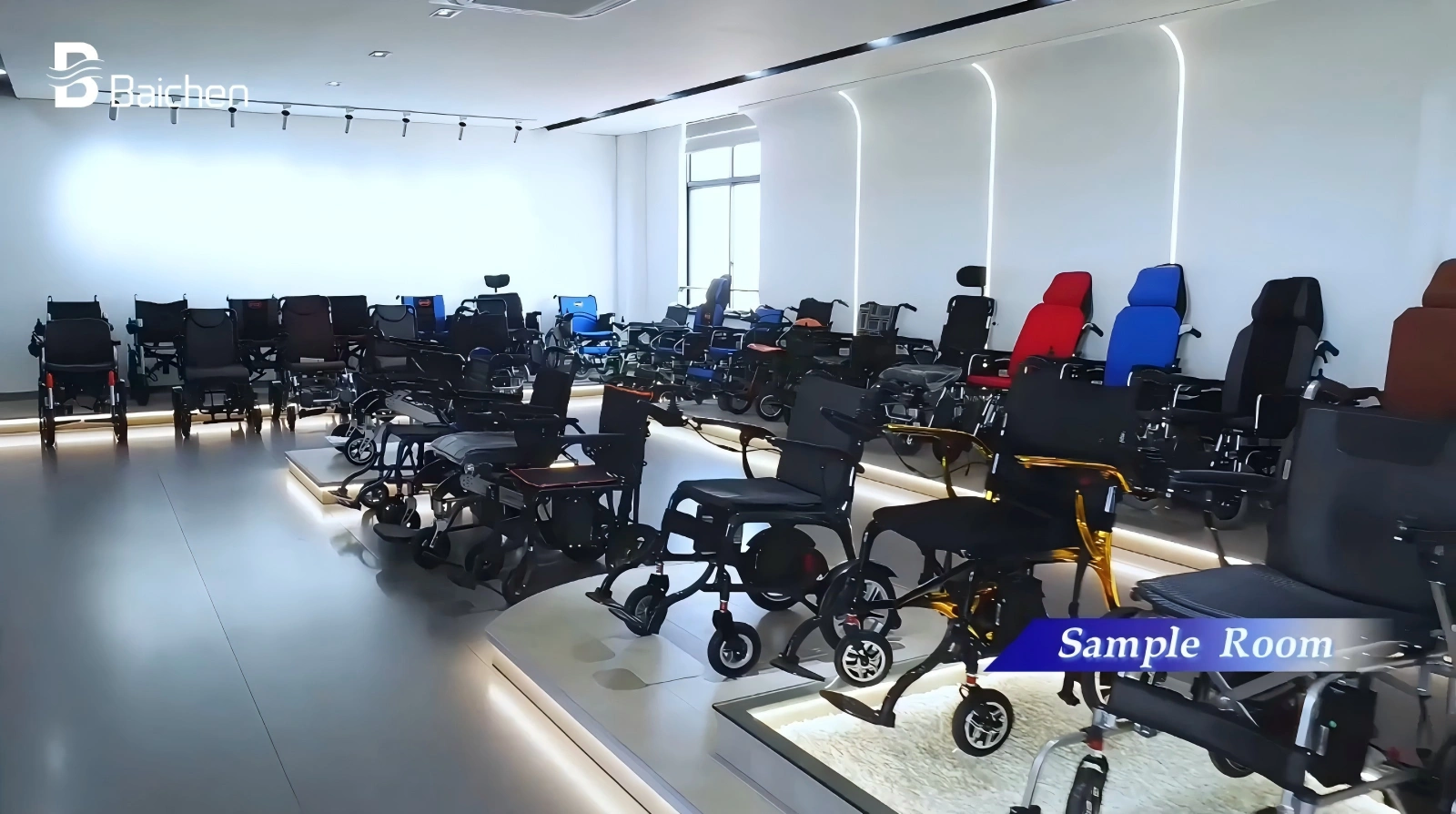
At Baichen, we prefer every electric wheelchair sample to have a clear purpose. One sample may confirm appearance, another may test function, and the final approved sample should represent the configuration expected in production. We can connect that process with our customization service, product records and factory checks so that both teams are approving the same chair for the same reason.
Our quick answer
You should decide what each sample must prove, test it around real customer tasks, and record the exact configuration and open issues. Approve the carton and included materials as part of the product. Before mass production, confirm that drawings, bills of materials, work instructions, inspection criteria and approved artwork all point to the same revision. We call the final controlled reference the golden sample because it gives buyers and production teams something concrete to compare.
One sample cannot answer every electric wheelchair OEM question at once. A staged approach finds problems earlier and reduces expensive rework.
Appearance or concept sample
This stage may confirm proportions, color, brand placement and general layout. It is useful for early feedback but may not represent production materials or final function. Label it clearly so it is not accidentally treated as the approval standard.
Engineering prototype
An ODM project may require prototypes to assess structure, folding, fit, controls or new components. Record which parts are provisional and which tests are meaningful at this stage.
Functional sample
This unit should use the intended system configuration closely enough to evaluate driving, braking, controls, battery, charging, folding, seating and service access. Test it under the buyer's real use scenarios.
Golden sample or approved production sample
The final approval sample should be production-representative. Identify its model, serial or sample number, bill-of-material revision, software or controller settings, labels, manual, accessories and packaging. Both parties should retain a controlled reference or complete evidence set.
Sample approval should include a written result. Avoid a message saying only "looks good." List accepted characteristics, open issues, required corrections and whether another sample or documentary confirmation is needed.
Specifications should be verified through tasks customers and dealers perform. The exact test plan depends on the product and market, but an OEM or ODM review should consider:
· sitting and transferring;
· joystick reach and hand control;
· low-speed maneuvering;
· forward and reverse control;
· turning in relevant spaces;
· braking and stopping behavior;
· appropriate incline and obstacle performance;
· freewheel or clutch operation;
· folding and unfolding;
· lifting and loading;
· battery removal and installation;
· charging and indicator interpretation;
· footrest, armrest and seat adjustments;
· access for common service tasks;
· cleaning and routine maintenance;
· unboxing and initial setup.
Test with representative users and handlers where possible. A strong engineer may fold a chair easily while the target caregiver cannot. A wide open factory floor does not reveal maneuvering problems in a small apartment or pharmacy aisle.
Document conditions and limits. Product claims should reflect verified performance, not an ideal demonstration.
Custom packaging carries brand value, but its first job is to deliver the correct product without damage. The OEM team should review protection, restraint, orientation, accessory separation, moisture exposure, stacking and handling.
Create a packing list for every regional variant. It should identify the chair, battery, charger, manual, tools and accessories. If parts are removed for transport, instructions should show how to install them safely. Labels should identify the exact model and relevant handling information.
Test the packed unit using a method appropriate to the distribution route. A carton moving in a full container faces different handling from a single box sent through parcel fulfillment. Review damage from corners, drops, vibration, compression and internal movement as relevant.
Approve print only after the physical structure is stable. A late carton-size change can distort artwork, move labels or alter logistics calculations. Retain the approved packing sample and artwork revision.
The production team needs more than an approved electric wheelchair OEM sample. It needs controlled documents, fixtures, tools, inspection criteria, trained operators and confirmed material.
Before release, conduct a production readiness review. Confirm:
· final bill of materials and approved suppliers;
· drawings and work instructions;
· special tooling or fixtures;
· incoming inspection criteria;
· in-process quality points;
· final inspection and function tests;
· approved labels and packaging;
· regional variant controls;
· traceability method;
· nonconformance and rework process;
· spare-parts identification;
· production and inspection schedule.
For ODM products, a pilot build is particularly valuable. It reveals assembly difficulties, tolerance stack-ups, cable routing problems, unclear instructions and unrealistic cycle assumptions. Record pilot findings and close important issues before the commercial batch.
You should agree on the pre-shipment inspection plan. Random inspection can verify visible and functional characteristics, but sampling should cover meaningful variants and safety-critical points. Some evidence may require record review or specialized testing rather than a brief product check.
Consistency is where many private-label projects succeed or fail. Component shortages, artwork updates and schedule pressure create temptation to make "equivalent" substitutions without full review.
Require notification for changes that can affect fit, function, safety, appearance, documents, packaging or spare-parts compatibility. The notification should explain the reason, proposed part, comparison, verification and timing. The buyer can then decide whether documentary approval, sample review or additional testing is needed.
During production, trace selected units through inspection records. Compare the label, battery, charger, controller, wheels, upholstery, accessories and packaging with the approved configuration. Review the first packed unit before the full batch is sealed.
Do not rely on the same sales photograph for every version. Create a production evidence pack for the actual order. This may include dated photos, key inspection records, artwork confirmation and packing information.
A practical electric wheelchair OEM or ODM program can follow these gates:
1. Market brief approved - target user, market, channel and priorities are clear.
2. Regulatory roles reviewed - branding and market responsibilities are understood.
3. Base platform or concept approved - the technical direction meets essential needs.
4. Configuration frozen for sampling - options and acceptance criteria are controlled.
5. Functional sample approved - real tasks and key performance are reviewed.
6. Documentation plan approved - required evidence, labels and manuals are defined.
7. Packaging approved - packed product and artwork are validated.
8. Production readiness approved - materials, instructions, inspection and capacity are ready.
9. Pilot or first batch accepted - product and records match the controlled standard.
10. Launch review completed - early sales, complaints, returns and service cases inform improvements.
Do not move through a gate because the calendar demands it. Record open risks and decide whether they can be accepted, contained or must be closed.
What is a golden sample in electric wheelchair sample approval?
It is an identified, production-representative reference connected to a controlled bill of materials, settings, labels, accessories, inspection results and packaging. Both parties should retain usable evidence.
Should one sample answer every project question?
Usually not. Staged samples reduce rework by separating appearance, engineering, functional and production-representative decisions.
How can a buyer confirm mass production matches the sample?
Use change notification, controlled specifications, first-unit review, production records and pre-shipment inspection to compare the batch with the approved reference. Keep the electric wheelchair sample approval identity visible throughout that comparison.
When you request a Baichen sample, tell us the questions it must answer and who will evaluate it. We can help prepare a configuration record and a review path that includes function, handling, packaging and sales materials. Explore the relevant electric wheelchair models, then send your project details through our contact page. Sample approval should reduce uncertainty for both teams, not move unclear decisions into mass production.
 EN
 AR
 BG
 HR
 CS
 DA
 NL
 FI
 FR
 DE
 EL
 IT
 JA
 KO
 NO
 PL
 PT
 RO
 RU
 ES
 SV
 TL
 IW
 ID
 LV
 LT
 SR
 SK
 SL
 VI
 HU
 TH
 TR
 FA
 GA
 CY