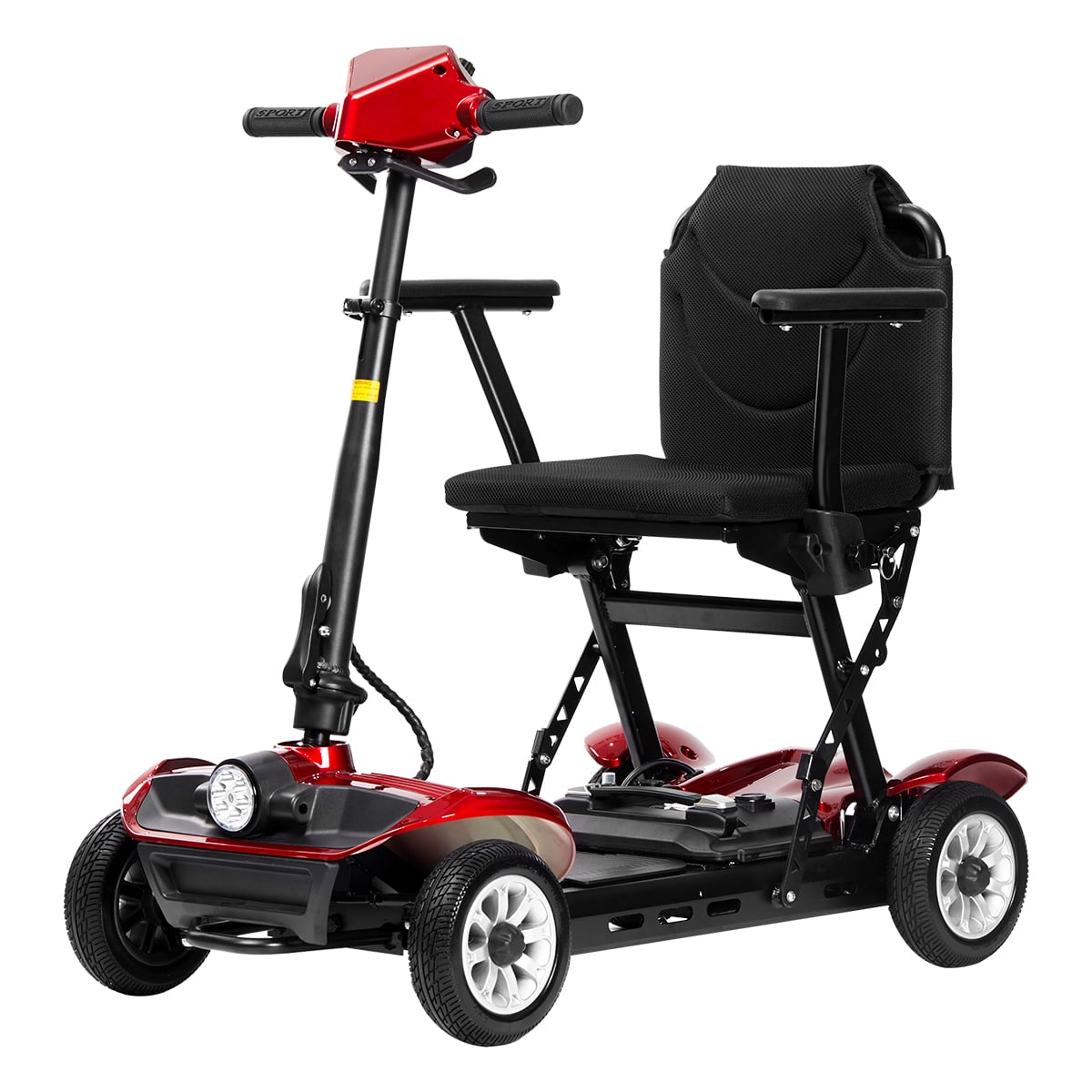
Before a scooter meets a customer, we want fingerprints from the whole dealer team on it. Take a lap; stop; work through the folding sequence; then describe the steps to the colleague who missed the video. Busy launches tend to invert that order. A clip reaches one person, a web page reaches another, and somebody paying for the product unknowingly hosts lesson one. Better to have the awkward pause behind the showroom door. That is where mobility scooter dealer training belongs and where a missed latch can be laughed about, corrected and tried again.
Our preferred starting point is one repeatable conversation, anchored to the label on the machine. The group maps a day: surfaces, overnight parking place and the socket used for charging. On a second line it writes two names—driver and person responsible for lifting or loading—because one name does not always fill both spaces. Now the controls, transport routine, charging talk and handover have context. Product facts still matter, obviously. Their harder test is whether three colleagues use them in the same honest way.
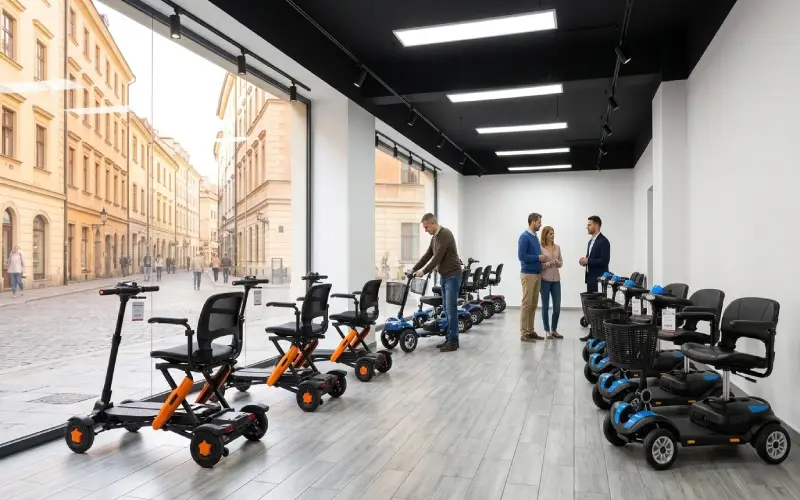
Watching the best demonstrator is not practice. We hand the scooter to each attendee. Power and speed adjustment come first; direction, horn, display, charging point, freewheel or drive setting, tiller and fitted lights follow. With the talking finished, use a controlled patch of floor: start, creep forward, turn, reverse, stop. It should look almost boring. That is close to the pace a new customer needs, and there is no prize for the most theatrical turn.
Folding and detachable scooters get a start-to-finish transport rehearsal. Begin in ride-ready condition; finish there too. In between, the trainee prepares the scooter, folds or separates it, and identifies the part that hands must actually carry. Someone measures the vehicle opening. “It should fit” is retired from the script. However smooth a factory clip appears, it cannot feel the load in a particular family’s hands.
Accessories create another common wobble. If the remote, basket, battery or another item is optional, say so while standing beside the demonstration unit. A photograph of a different configuration is not part of today’s scooter. Here mobility scooter dealer training performs quiet quality control: a well-meant but inaccurate promise is corrected among staff rather than printed onto an order.
“Charge it regularly” is remembered; the useful details often are not. Open the current manual for the chosen model. Work through outlet and charger checks, the connection order where specified, indicator meanings, ventilation, dry storage and the instruction for periods without use. Do not splice together advice from another scooter or another battery type because the wording sounds familiar.
Range needs equally careful language. Put a heavy load, a hill, cold weather, soft tyres, higher speed, an ageing battery and stop-start driving on the whiteboard. Each can move the real result. The salesperson’s job is to explain that movement, not stretch a published figure into a promise. Customers usually accept an honest “it depends on these conditions”. They are far less pleased to discover that the showroom quietly added “always”.
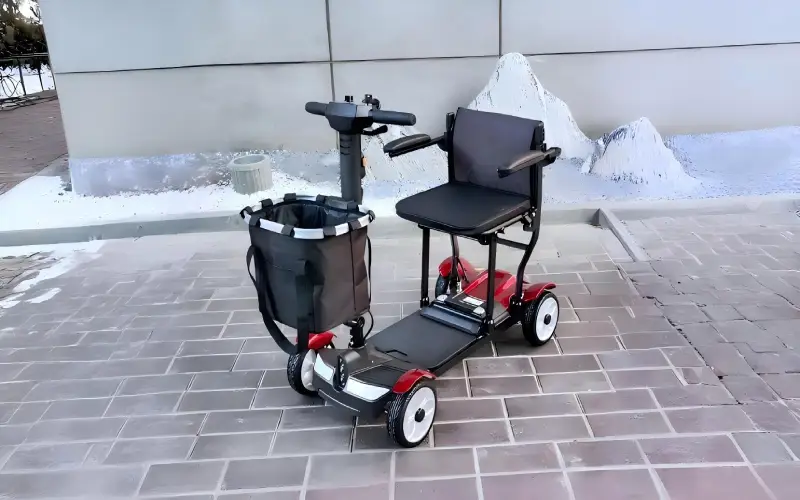
At sale time, the salesperson hears the long version. Weeks later, a workshop may receive the scooter plus half a sentence. Join those moments before launch. Staff use the same model and SKU, the same names for battery and charger, and the same approved first checks. They also know which photographs remote support will request and when “let us check” must become “please stop using it and seek qualified help”.
Useful intake can happen before anybody names a fault. Start a tiny timeline: last normal use, the moment behaviour changed, and what happened next. Write the display exactly as seen. Put quotation marks around the customer’s description of a sound. Add the latest charge, surface, weather and any impact or water exposure. If conditions are safe, ask for a well-lit photograph or a few seconds of video. Do not create “more evidence” by bypassing a safety device or asking someone to keep driving a machine that has become unpredictable.
Baichen’s service information gives distributors a route for product and after-sales discussions. “The scooter stopped” leaves many possibilities; an identity label, a timeline and two useful images give us somewhere to begin.
Put a date and revision on every dealer sheet. A new controller, charger, battery, folding step, accessory pack, label or manual may also require a changed demonstration. Remove old files from the shared folder. Asking busy staff to choose correctly between “final”, “new final” and “latest final 2” is an avoidable experiment.
After a month, ask the team three plain questions. Which customer question surprised you? Where did the demonstration become hesitant? Which service call might a better handover have prevented? Those answers make the next mobility scooter dealer training session useful in a way a frozen slide deck never will.
Long enough for every attendee to perform the selected model’s demonstration and handover, not just watch it. A wide range is often easier to learn in several short family-by-family sessions.
They can perform approved operating checks and gather good information. Diagnosis and repair remain inside their training, the current documentation and the dealer’s authorised service process.
Keep the models and revisions covered, attendees, date, material used, practical steps completed and questions still open. Update it when either product or procedure changes.
Tell us which scooter categories will enter your range and how the dealers work with customers. We can organise model information for demonstration, receiving and after-sales communication. Bring the real questions from mobility scooter dealer training. Review the Baichen scooter range, then share the launch details through the project enquiry page.
 EN
EN
 AR
AR
 BG
BG
 HR
HR
 CS
CS
 DA
DA
 NL
NL
 FI
FI
 FR
FR
 DE
DE
 EL
EL
 IT
IT
 JA
JA
 KO
KO
 NO
NO
 PL
PL
 PT
PT
 RO
RO
 RU
RU
 ES
ES
 SV
SV
 TL
TL
 IW
IW
 ID
ID
 LV
LV
 LT
LT
 SR
SR
 SK
SK
 SL
SL
 VI
VI
 HU
HU
 TH
TH
 TR
TR
 FA
FA
 GA
GA
 CY
CY