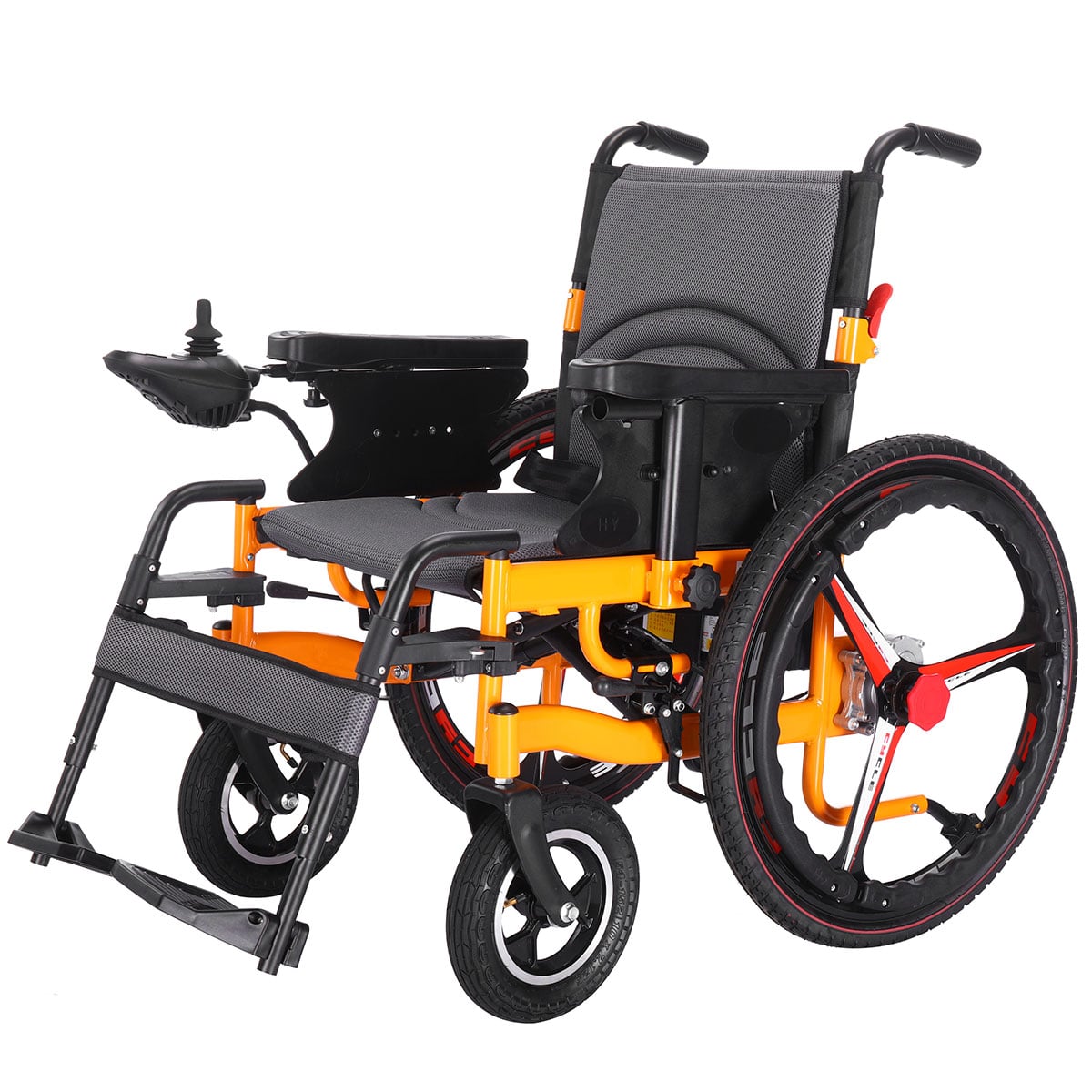
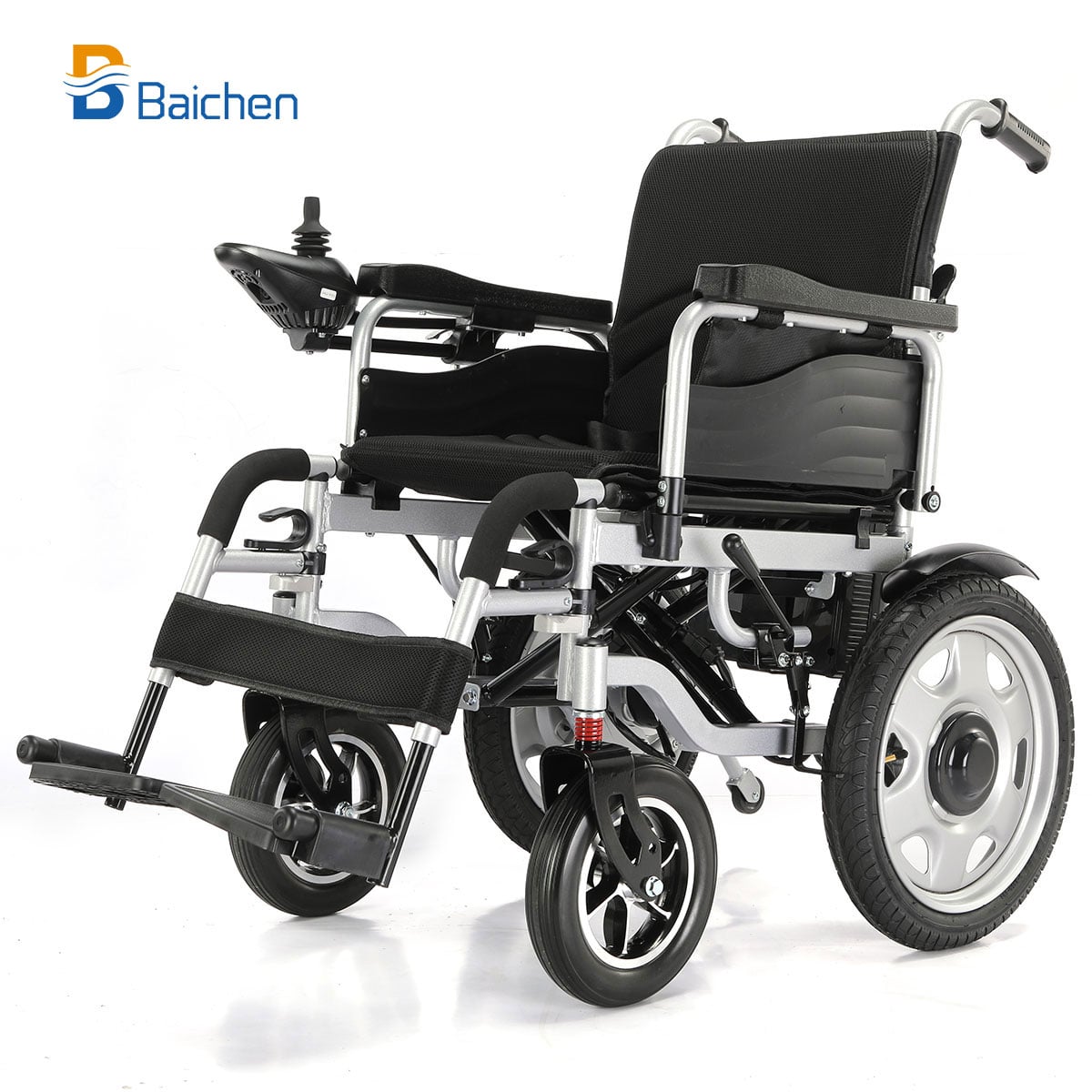
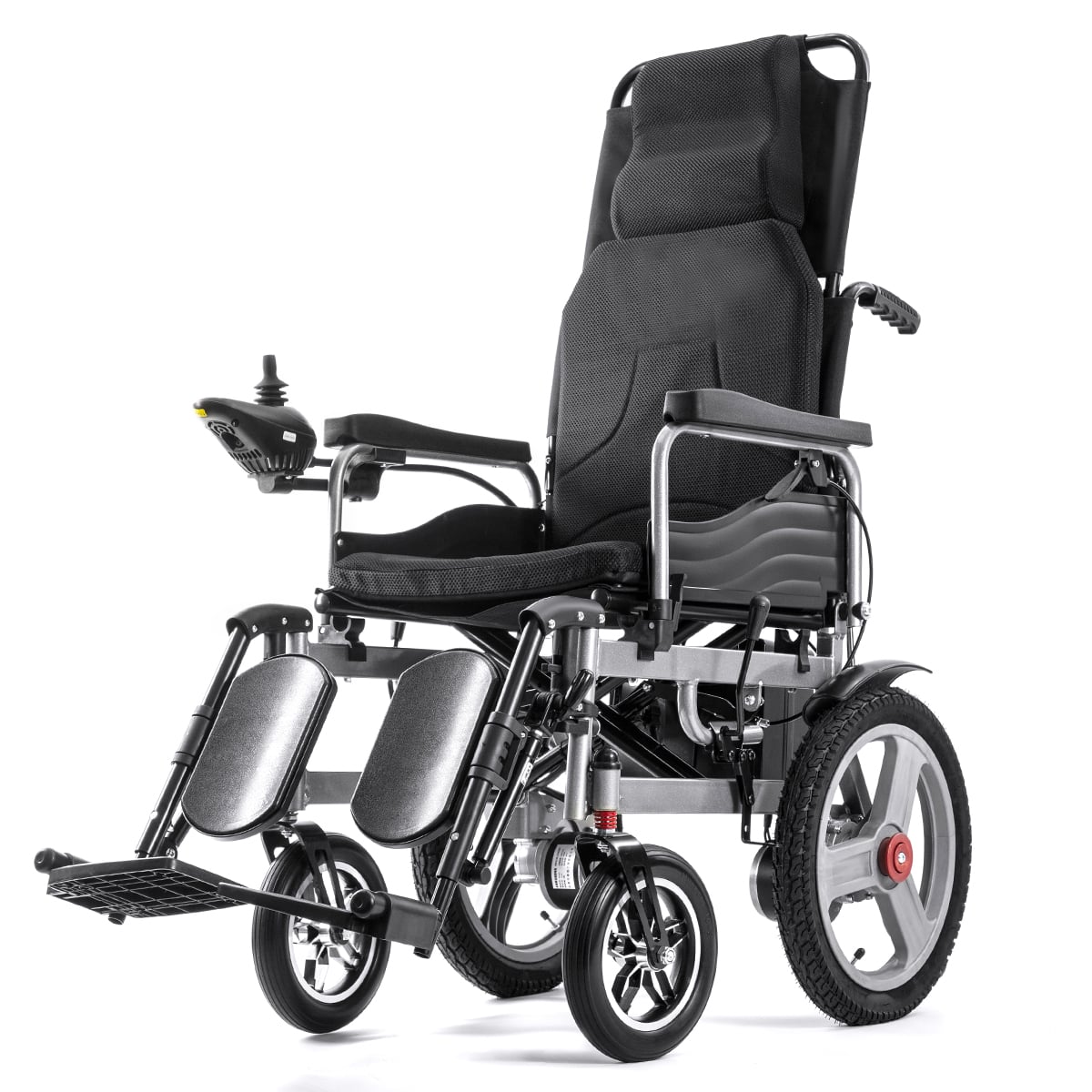
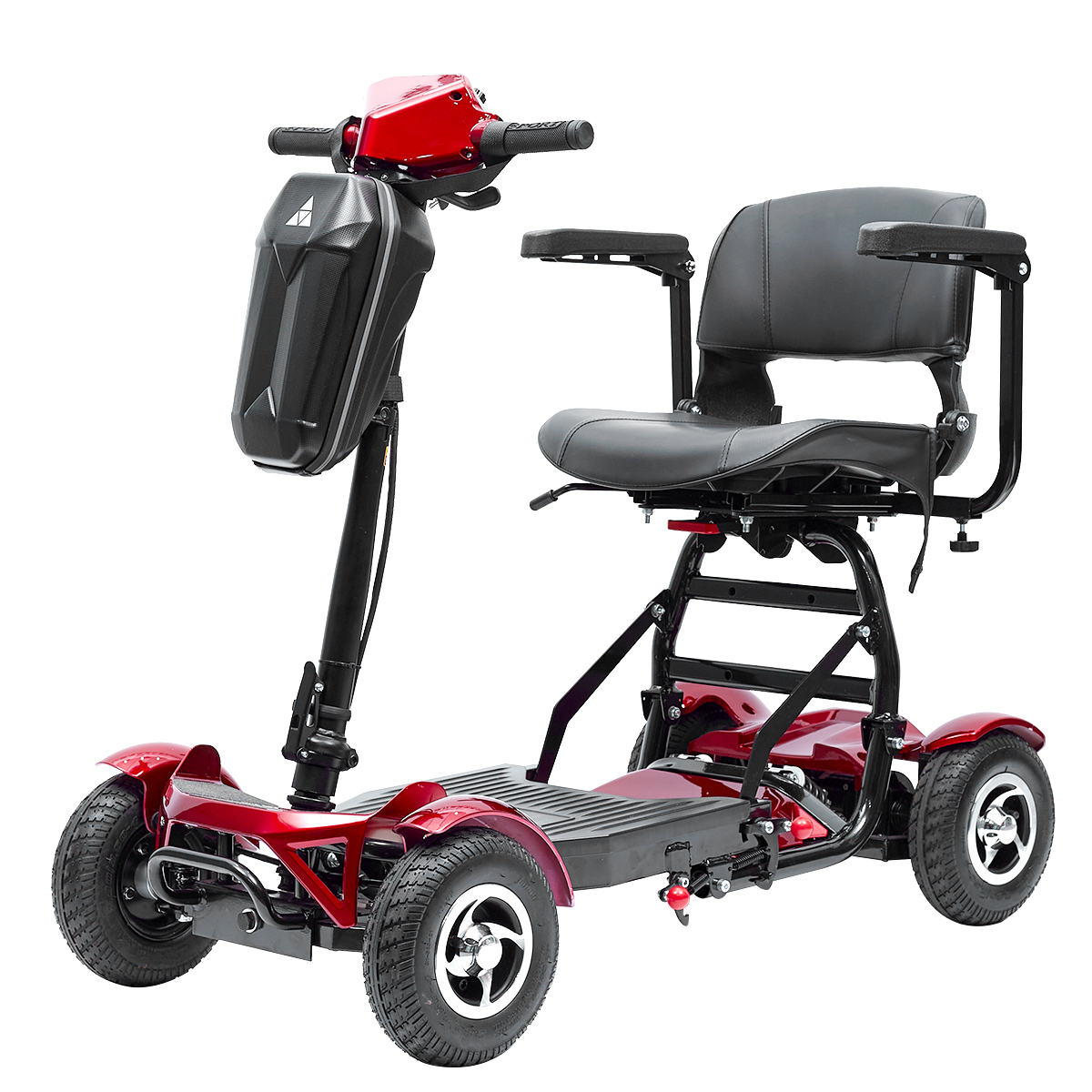
A factory visit can go well and still leave important questions unanswered. The chair may run smoothly on the production floor, but will the ordered configuration match the documents? Will the joystick arrive protected? Can your service team identify the right controller six months later? Who responds when a technical question crosses several time zones?
At Baichen, we see an electric wheelchair factory audit as a shared review of the whole delivery experience. You can begin with our public service information and after-sales FAQ, then ask us to connect those general resources to your model, market and commercial arrangement. A good audit should make the work after production easier, not simply confirm that an assembly line exists.
Our quick answer
Look beyond production and connect four things: the exact product, the market-specific document set, the packed shipment and the after-sales plan. We recommend writing down every open point with an owner and closure date. When you audit Baichen, ask us how the configuration is identified, how the carton protects it, how spare parts are matched and how our team will communicate with yours after shipment.
One of the most expensive mistakes in international purchasing is assuming that a certificate with the right company name automatically covers the purchased product. We believe a responsible electric wheelchair manufacturer should connect every regulatory claim to the market, device classification, intended purpose, manufacturer role, exact model family and current documentation.
For the United States, the FDA guidance for imported medical devices explains that foreign manufacturers and initial importers have distinct obligations, including establishment registration, device listing and other applicable controls. Premarket requirements vary by device, and authorization in another country does not replace US requirements. In the European Union, the European Commission's overview of medical-device economic operators describes responsibilities for manufacturers, authorized representatives, importers and distributors. A buyer applying its own trademark or modifying a product may take on additional responsibilities.
During the audit, build a document index instead of asking only, "Do you have CE or FDA?" The index should identify the document title, model coverage, revision, issuing organization where relevant, expiry or review status, and responsible owner. It may include declarations, registrations, test reports, risk documentation, labeling, instructions, post-market procedures and economic-operator details.
Confirm that the product name and configuration used in the commercial order are consistent with the documents. If an importer plans to relabel, repackage or sell under its own brand, regulatory responsibilities should be reviewed before artwork approval. Baichen can discuss market-support needs through the service page, but final market access decisions should always be confirmed for the buyer's specific product and jurisdiction.
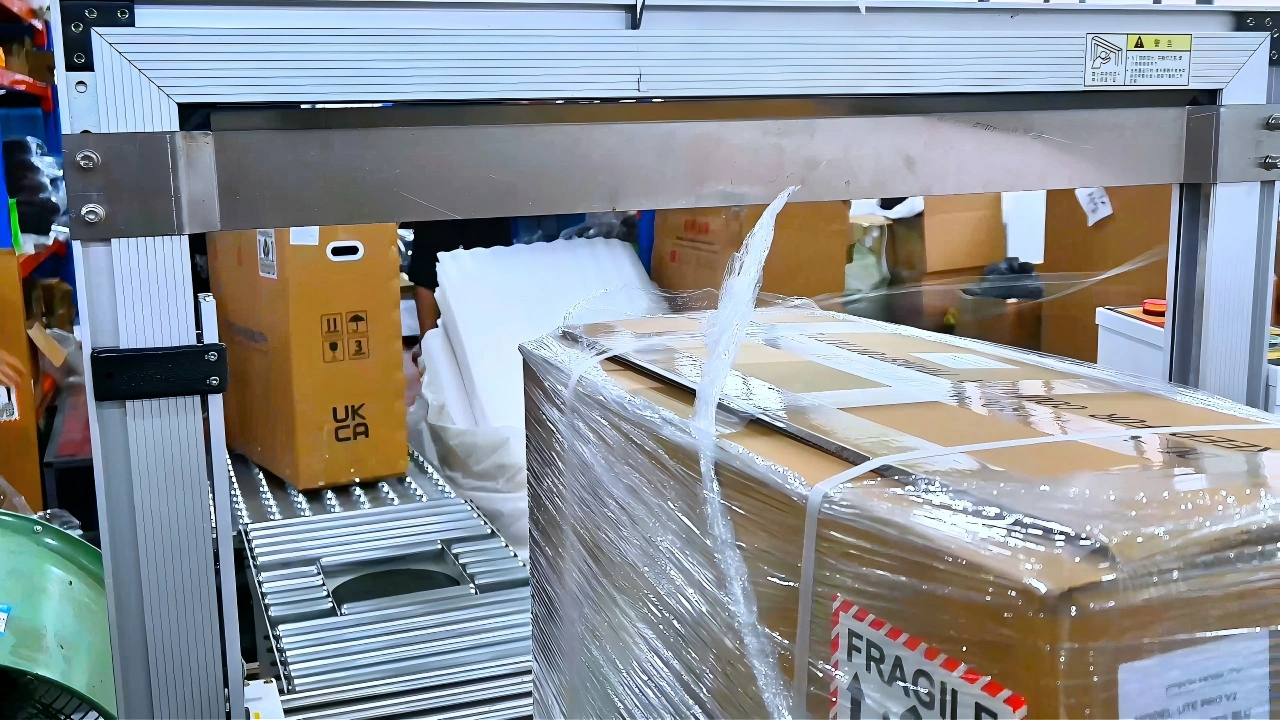
An electric wheelchair can pass factory inspection and still arrive damaged because packaging was treated as decoration. For distributors, the carton is part of the delivered system. It must protect the product, make handling understandable and preserve the approved configuration.
Inspect how the wheelchair is folded, restrained and separated from accessories. Heavy components should not move freely inside the carton. Joysticks, armrests, footrests, chargers and removable batteries need protection from impact and abrasion. Sharp edges or protruding hardware should not press directly against thin carton walls. Moisture protection may be relevant for long sea shipments and humid warehouses.
Review carton markings, orientation, gross and net weight declarations, model identification, serial or batch traceability, accessory lists and manual placement. If the buyer uses e-commerce fulfillment, measure the packed carton rather than relying on a design drawing. Warehouse and parcel systems charge and handle the physical package, not the intended dimensions.
Ask the electric wheelchair manufacturer for packaging validation evidence and examine claims from actual shipments. Repeated damage in the same location is a process signal. The response should include root-cause analysis and a controlled packaging change, not only extra tape on the next order.
For private-label projects, approve the carton, labels and manual as carefully as the wheelchair. A correct product inside the wrong carton can create customs, warehouse and warranty problems.
After-sales capability is easiest to evaluate before the supplier has received the purchase order. The electric wheelchair manufacturer should provide an exploded view, parts list and compatibility information for the exact model. Identify parts that wear through normal use, parts likely to be damaged in transport, critical electronic assemblies and model-specific structural components.
Ask how the factory identifies revisions. A controller that looks similar may use different connectors or programming. A motor may fit the frame but behave differently with the supplied controller. A battery enclosure may retain the same appearance while its internal configuration changes. Your team needs part numbers and version rules that prevent guesswork.
Review the warranty-claim workflow. Who receives the case? What evidence is required? How is safety risk separated from a routine service issue? How quickly does the factory provide an initial technical response? How are replacement parts approved and shipped? How are repeated failures analyzed?
Baichen's after-sales FAQ can answer common questions, but a commercial project should also have a written, model-specific parts and service plan. Warranty terms should be taken from the current quotation or agreement for the exact product. Do not rely on a general website statement when contracts or product versions differ.
Supplier communication should be audited with technical questions, not only response speed. A capable electric wheelchair manufacturer can coordinate sales, engineering, quality and after-sales teams around the same case. For example: a sample stops intermittently after folding; the distributor provides a serial number, short video and battery state; the supplier must identify likely causes, request useful evidence and propose a safe next step.
Good communication is specific. It distinguishes confirmed facts from hypotheses. It names the model and revision. It avoids telling an untrained user to perform unsafe electrical work. It records decisions and closes open actions.
Review language capability for manuals, labels and service guidance. Perfect conversational English is less important than precise product identification and disciplined records. A factory that replies quickly but gives changing answers creates more risk than one that takes reasonable time and provides verified information.
Establish escalation paths before the order. You should know the commercial contact, technical contact, quality contact and decision maker for urgent issues. Meeting notes should capture owners and deadlines. These habits become valuable when production is busy or a field problem crosses time zones.

Before approving an electric wheelchair manufacturer, confirm that you can answer yes to the following questions:
1. Is the legal and manufacturing identity clear?
2. Is the exact model and configuration frozen in a controlled specification?
3. Can the supplier trace critical components and finished units appropriately?
4. Are incoming, in-process and final controls visible in real records?
5. Does frame production match the material and construction being purchased?
6. Has the electrical system been evaluated as an integrated product?
7. Are model-specific validation and production tests distinguished?
8. Do regulatory documents match the market, model and business arrangement?
9. Has the packed product been reviewed for transport and warehouse risks?
10. Are spare parts identified by model and revision?
11. Is there a written warranty and issue-resolution workflow?
12. Are changes reviewed and communicated before implementation?
13. Can the supplier's team respond to technical scenarios with clear evidence?
14. Are audit findings assigned by risk, owner, deadline and closure evidence?
15. Will approval proceed in stages rather than jumping from quotation to scale?
Is a certificate enough to pass an electric wheelchair factory audit?
No. Confirm the market, model family, configuration, revision and responsible legal entity covered by each document. Applicability should be reviewed by qualified regulatory professionals.
Why should packaging be included in the audit?
The carton protects the approved product and affects freight handling, warehouse work, customer setup and damage claims. Inspect the real packed configuration, not artwork alone.
What should happen after an audit finding?
Record the requirement, evidence, risk, containment, owner, due date and proof needed for closure. Important findings should be closed before the relevant commercial step is released, and the electric wheelchair factory audit report should name the recheck method.
Bring us the questions your sales, compliance, warehouse and service teams are already asking. We can review them against the exact model and configuration instead of giving you a generic factory presentation. Start with the Baichen service page, then use our contact page to share your market and project stage. The earlier we connect the product, documents, packaging and service plan, the fewer surprises both teams have to manage later.
 EN
 AR
 BG
 HR
 CS
 DA
 NL
 FI
 FR
 DE
 EL
 IT
 JA
 KO
 NO
 PL
 PT
 RO
 RU
 ES
 SV
 TL
 IW
 ID
 LV
 LT
 SR
 SK
 SL
 VI
 HU
 TH
 TR
 FA
 GA
 CY