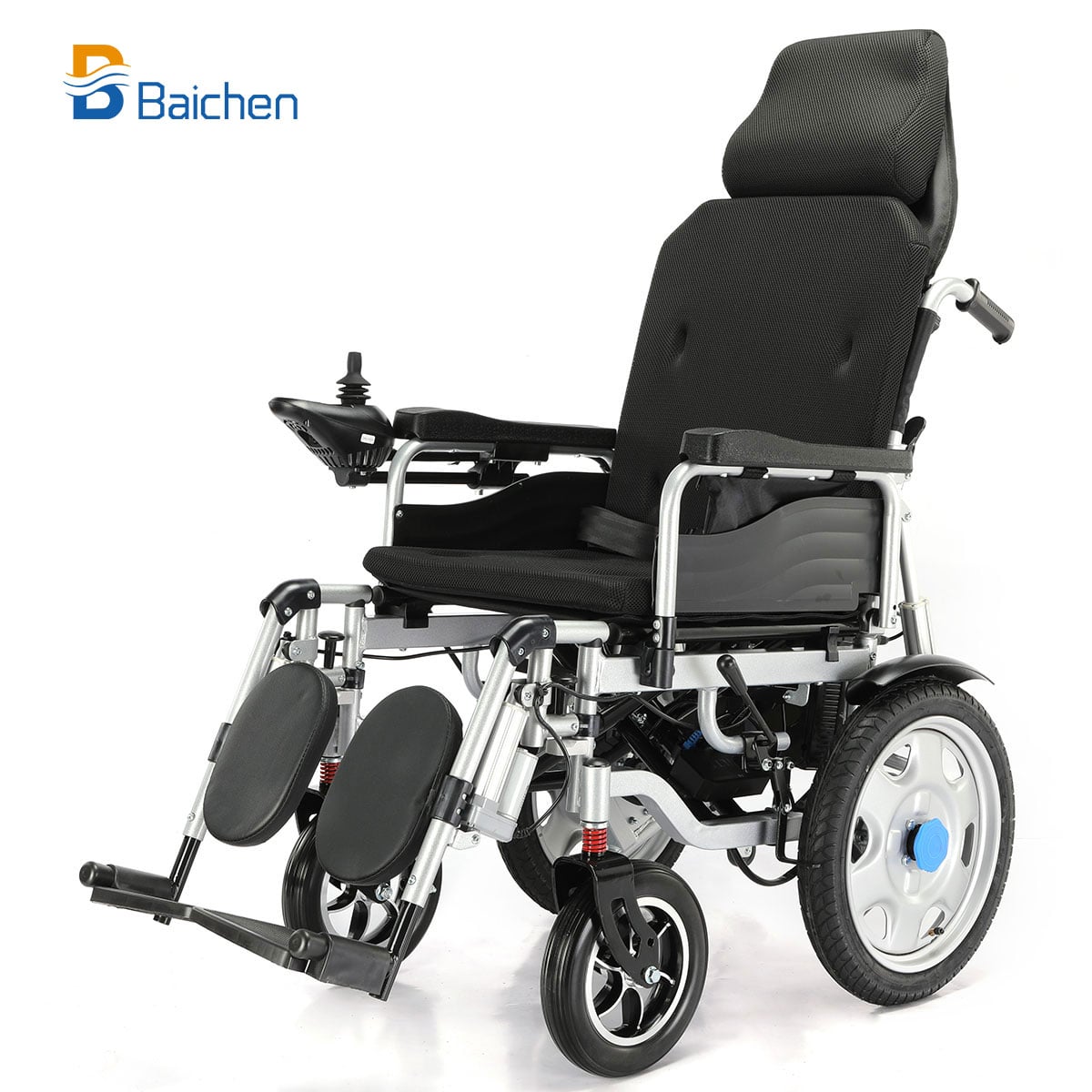
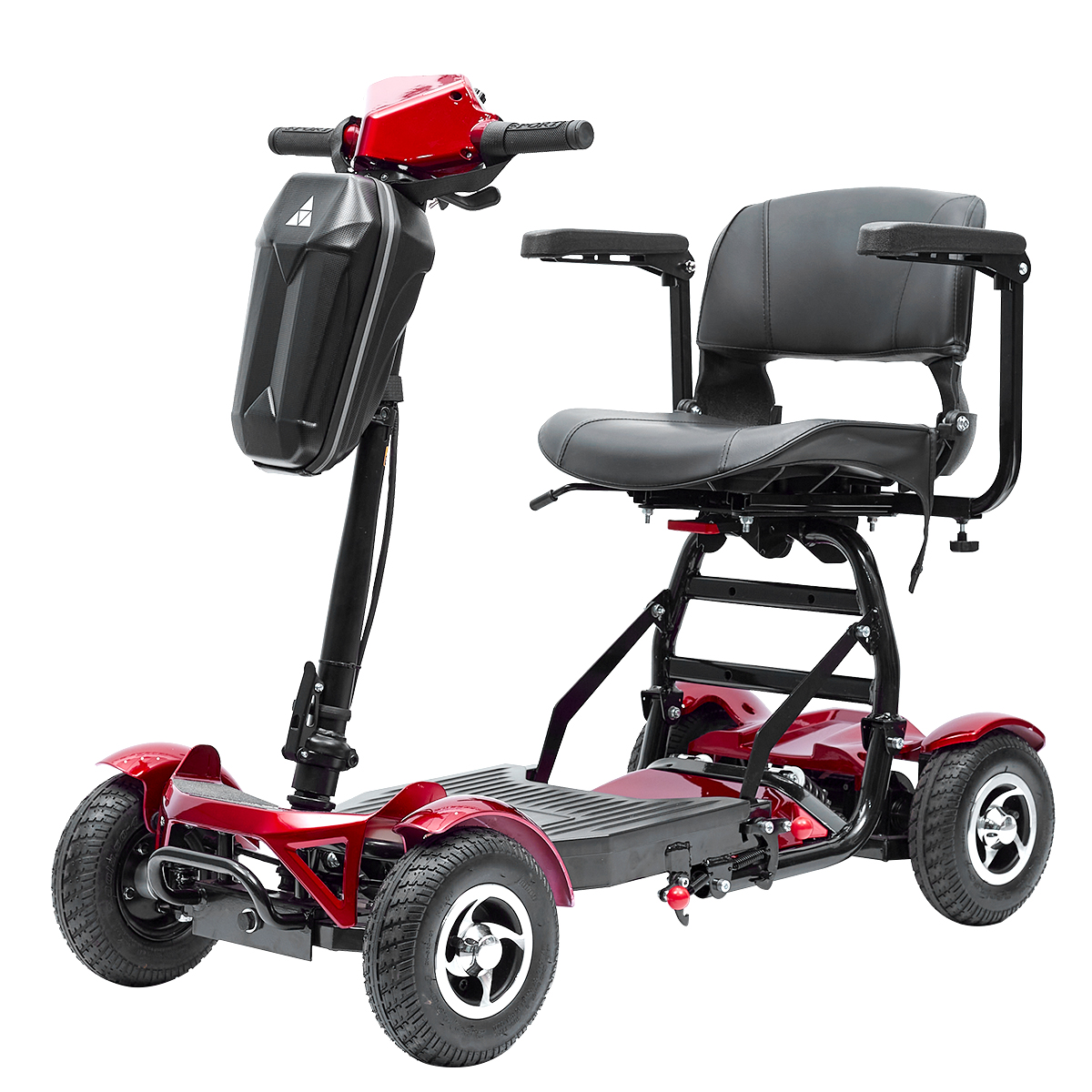
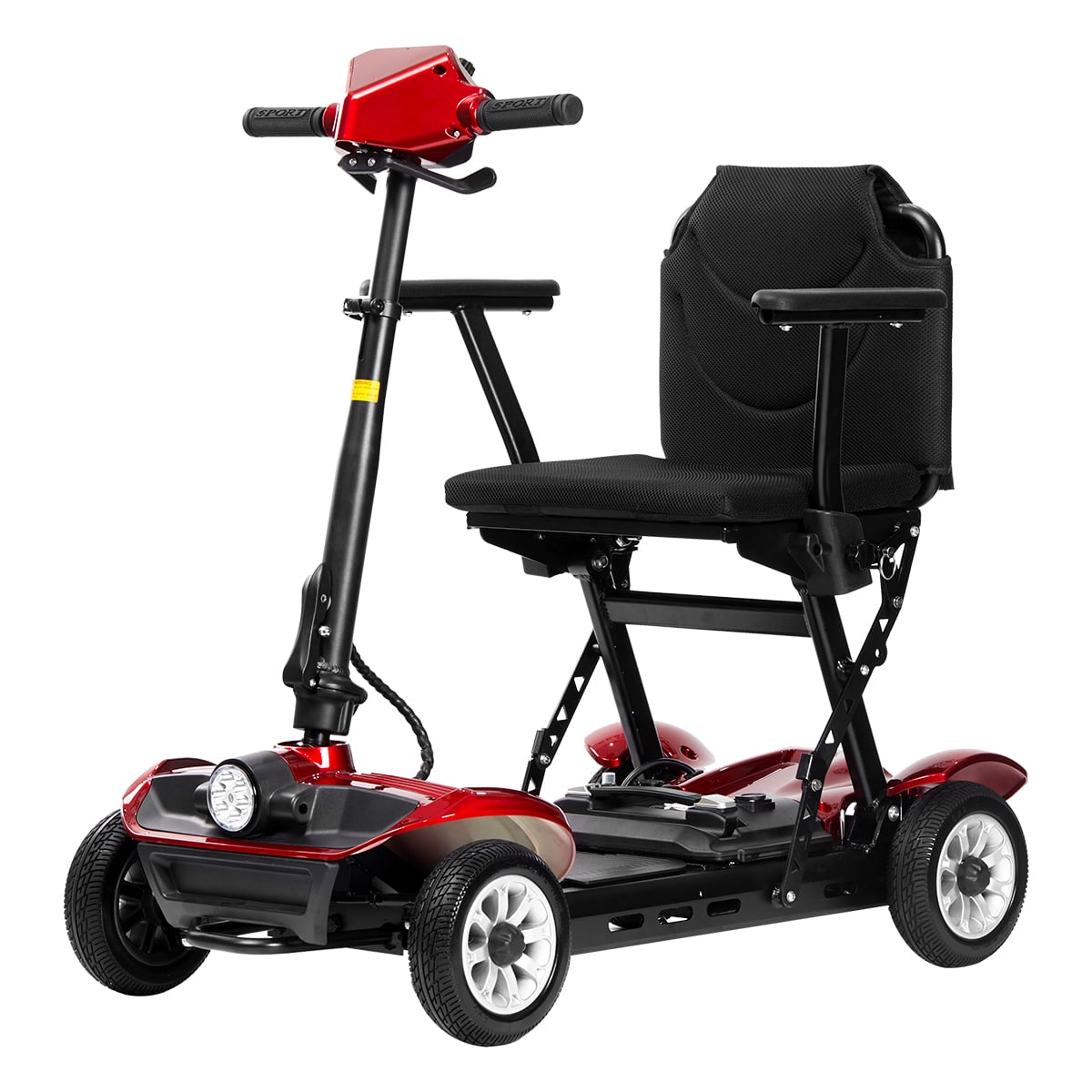
سيبدأ سريان أحدث إصدار من *لوائح البضائع الخطرة* الصادرة عن الرابطة الدولية للنقل الجوي (IATA)—المُحدَّث بالتزامن مع *مواصفات نقل بطاريات الليثيوم جواً* الصادرة عن إدارة الطيران المدني الصينية (CAAC)—رسمياً في ١ يناير ٢٠٢٦. وتتضمن اللوائح الجديدة عدة تعديلات جوهرية تتعلق بشروط نقل الكراسي المتحركة الكهربائية وأجهزة التنقُّل المزودة ببطاريات ليثيوم، سواءً في قمرة الركاب أو في حجرات الشحن. وقد حدد فريق بحوث السياسات في شركة بايتشن أربعة تغييرات رئيسية تؤثر مباشرةً على المسافرين، لمساعدتكم على الاستعداد مسبقاً وضمان تجربة صعود سلسة إلى الطائرة.

التغيير ١: تبقى سعة بطارية الكرسي المتحرك دون تغيير؛ بينما تصبح القيود المفروضة على البطاريات الاحتياطية أكثر صرامة
كلا اللائحتين القديمة والجديدة تنصّان على أن الطاقة المُصنَّفة لبطارية الليثيوم المركَّبة في الكرسي المتحرك لا يجوز أن تتجاوز 300 واط ساعة. أما البطاريات التي تتجاوز سعة 300 واط ساعة فهي تتطلب موافقة خاصة من شركة النقل، وعادةً ما تقتصر على النقل عبر الطائرات الشحنية فقط. وقد شدَّدت اللوائح الجديدة بشكلٍ كبيرٍ الرقابة على البطاريات الاحتياطية: إذ يُسمح لكل راكبٍ حمل ما لا يزيد عن بطاريتين احتياطيتين، بشرط ألا تتجاوز الطاقة المُصنَّفة لكل بطاريةٍ منها 160 واط ساعة. كما أضافت اللوائح الجديدة بندًا جديدًا ينص صراحةً على ضرورة تغليف كل بطارية احتياطية على حدة بمادة عازلة (بينما كانت اللوائح السابقة تشترط فقط حمايتها من حدوث دائرة كهربائية قصيرة)؛ ويُمنع تمامًا وضع هذه البطاريات في الأمتعة المُسجَّلة، بل يجب حملها في قمرة الركاب كأمتعة يدوية. علاوةً على ذلك، بالنسبة للبطاريات الاحتياطية التي تتجاوز طاقتها المُصنَّفة 100 واط ساعة، يُطلب من الراكب تقديم إقرارٍ كتابيٍّ إلى شركة الطيران أثناء عملية تسجيل الدخول.
تذكّر شركة بايتشن المستخدمين: قبل السفر، يُرجى التحقق بعناية من قيمة واط-ساعة (Wh) الموضحة على ملصق بطارية الكرسي المتحرك الخاص بكم، واستخدام الحقيبة العازلة المقدمة من الشركة المصنعة أو الشريط غير الموصل لتغطية طرفي البطارية وعزلهما.
التغيير الثاني: تحوّل سياسة تسجيل الكرسي المتحرك في الأمتعة من "إجبارية إزالة البطارية" إلى "التفضيل الاحتفاظ بالبطارية"
وبموجب المعايير السابقة، كان يُطلب عمومًا من الركاب إزالة البطارية من كرسيهم المتحرك قبل تسجيله كأمتعة مسجَّلة، وحمل البطارية بشكل منفصل كأمتعة يدوية. وبعد تلقي تعليقات واسعة النطاق من المستخدمين، جرى تعديل اللوائح الجديدة لتُعطي الأولوية لترك البطارية مثبتة داخل الكرسي المتحرك— شريطة أن تكون أطراف البطارية معزولة ومحمية بشكل كافٍ، وألا يكون هناك أي خطر من تشغيل الكرسي المتحرك عن طريق الخطأ أثناء تخزينه في قسم الشحن. أما إزالة البطارية ونقلها بشكل منفصل، فستكون مطلوبة فقط إذا رأت شركة الطيران أن تدابير حماية البطارية الحالية غير كافية.
يقلل هذا التعديل بشكل كبير من الصعوبات التشغيلية والمخاطر الأمنية المرتبطة بإزالة بطاريات الكرسي المتحرك في الموقع وإعادة تركيبها. وتُجهَّز سلسلة كراسي Baichen المتحركة "النسخة الجوية" مصنعياً بـ"موصِلات فك سريع من الدرجة الجوية" وأغطية عازلة لأطراف البطارية؛ ولا يحتاج المستخدمون إلى أي أدوات، ويمكنهم إكمال عملية الحماية العازلة خلال ١٠ ثوانٍ.
التعديل ٣: تمديد فترة اعتماد شركات الطيران بشكل موحد إلى ٧٢ ساعة
في السابق، كانت متطلبات فترة الإخطار المسبق المتعلقة بالكراسي المتحركة التي تحتوي على بطاريات ليثيوم تتفاوت بين شركات الطيران (وتتراوح من 24 ساعة فقط إلى 48 ساعة أو أكثر). أما اللوائح الجديدة فتفرض معيارًا موحدًا: ويجب على الركاب تقديم طلبٍ كتابيٍّ إلى شركة الطيران قبل موعد إقلاع الرحلة المقررة بوقت لا يقل عن 72 ساعة. ويجب أن يرفق هذا الطلب وثائق توضح طراز الكرسي المتحرك ونوع البطارية والطاقة المُصنَّفة (مثل كتيبات المنتج أو صور الملصقات الموجودة على البطاريات، وما إلى ذلك). وبالنسبة للرحلات الدولية، يُوصى بأن يجهِّز الركاب نسخةً باللغة الإنجليزية من هذه المستندات أيضًا.
تنبيه شركة بايتشن للمستخدمين: عند تقديم الطلب، يُرجى تحديد ما إذا كانت بطارية الليثيوم-أيون «غير قابلة للإزالة» أم «قابلة للإزالة» بشكلٍ واضح. كما يُوصى بالطلب كتابيًّا تأكيدًا من شركة الطيران (عبر الرسائل القصيرة أو البريد الإلكتروني). وحاليًّا، تضم المواقع الرسمية لشركة بايتشن (باللغتين الصينية والإنجليزية) خاصية «مولد تصريح السفر الجوي بنقرة واحدة»؛ حيث يمكن للمستخدمين، بمجرد إدخال رقم التسلسل الخاص بالمنتج، تنزيل نموذج إعلان البطارية المتوافق مع معايير الاتحاد الدولي للنقل الجوي (IATA).
التعديل الرابع: الإعفاء من إجراء الإعلان المسبق للبطاريات منخفضة الطاقة (≤ ١٠٠ واط/ساعة)، مع استمرار تطبيق نقاط التشغيل المحددة
توضح اللوائح الجديدة، ولأول مرة على الإطلاق، أنه بالنسبة لكراسي العجلات المزودة ببطاريات ليثيوم ذات طاقة اسمية لا تتجاوز ١٠٠ واط ساعة، فإن الركاب *غير مطالبين* بتقديم إعلان مسبق قبل ٧٢ ساعة — شريطة أن تكون أطراف البطارية معزولة بشكلٍ مناسب وأن يكون الكرسي الكهربائي معطّلاً ومثبتاً بإحكام. ومع ذلك، لا يزال يتعيّن على الركاب إبلاغ موظفي شركة الطيران بشكلٍ استباقي أثناء عملية تسجيل الدخول. وإذا أمكن طي الكرسي الكهربائي وتخزينه مباشرةً في الخزانة العلوية (أي أن أبعاده تتوافق مع لوائح الأمتعة المسموح بها كأمتعة يدوية التي تحددها شركة الطيران)، فيجوز حمله كـ"أمتعة يدوية" (تشغل مقعداً/مساحةً داخل قمرة الركاب) ولن تُحتسب ضمن الحصة المجانية للأمتعة المسجَّلة للراكب.
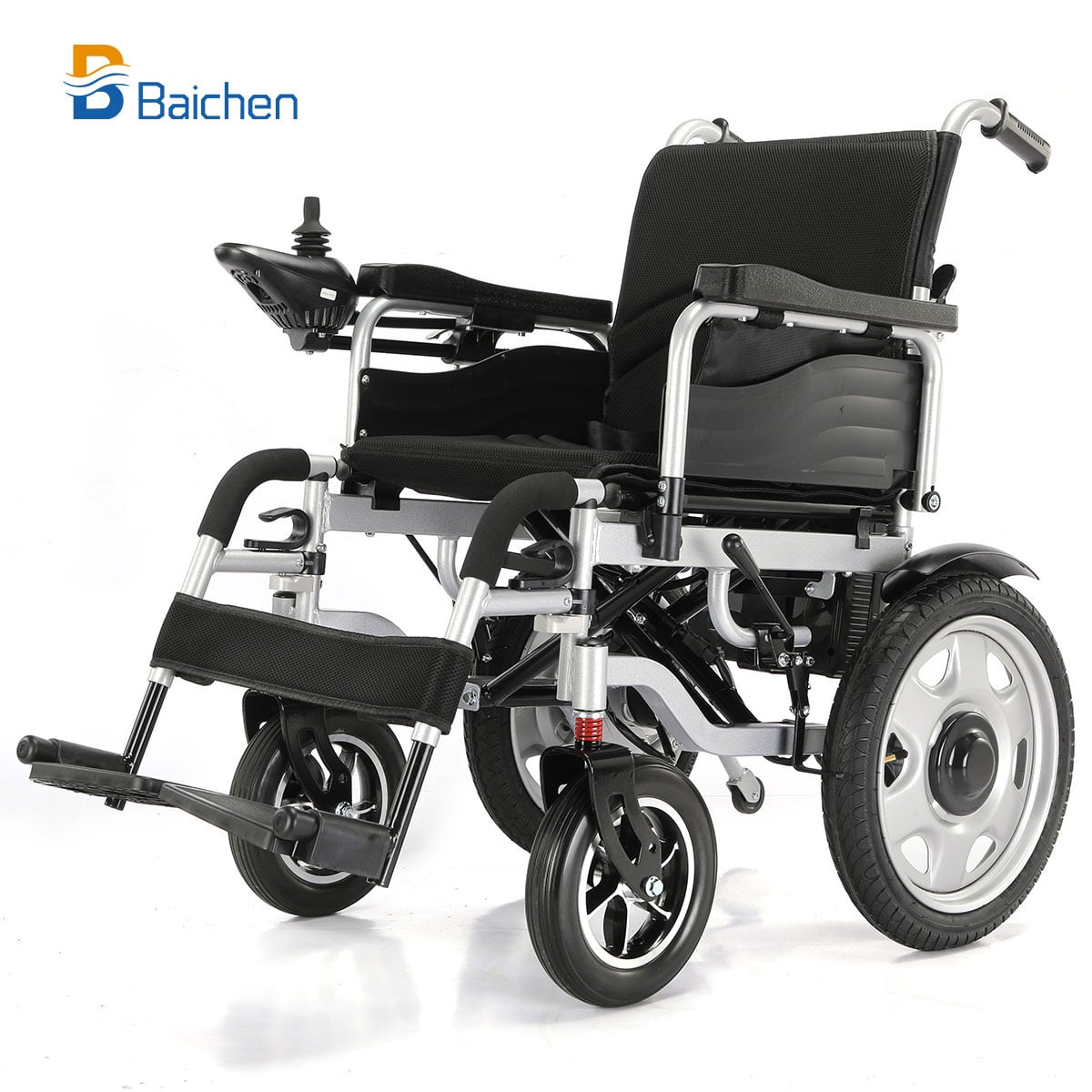
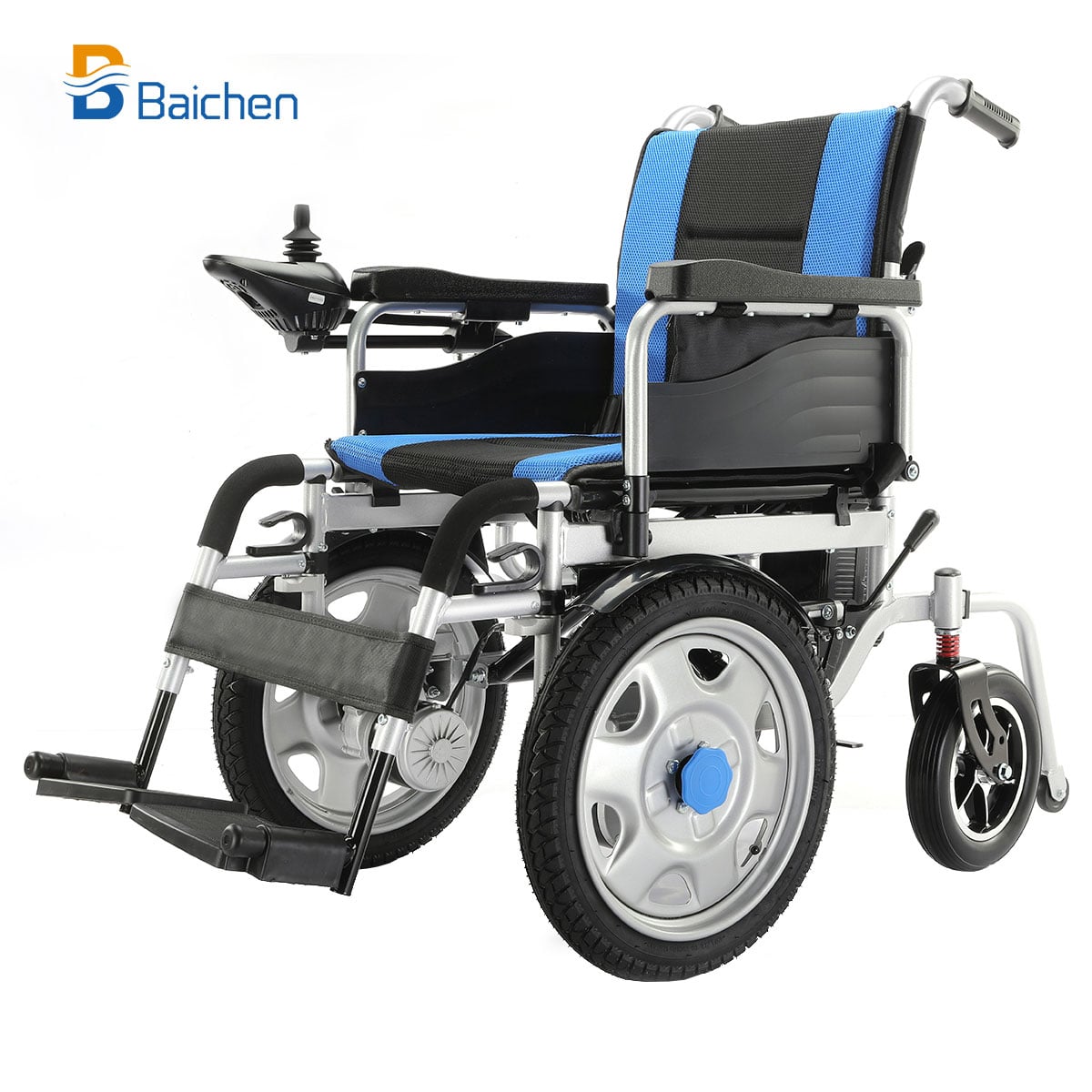
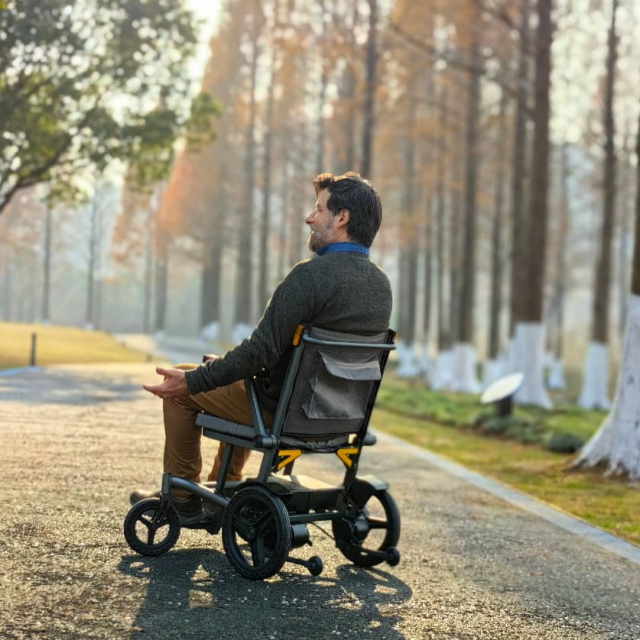
كرسي متحرك قابل للطي من ألياف الكربون من شركة بايتشن — بما في ذلك البطارية — يزن فقط ١٥ كجم. وعند طيه، تكون أبعاده ٩٧٠ × ٥٣٠ × ٢٧٠ مم، ما يحقق تمامًا معايير الأمتعة المسموح بها في قمرة الركاب لدى شركات الطيران الكبرى مثل شركة الخطوط الجوية الصينية، والخطوط الجوية الصينية الجنوبية، ولوفتهانزا، ودلتا. علاوةً على ذلك، يُزود هذا الكرسي افتراضيًّا ببطارية ليثيوم صناعية للطيران سعتها ١٠٠ واط/ساعة، ما يجعله أحد أكثر النماذج ملاءمةً للسفر بعد تطبيق هذه اللوائح الجديدة.
التزام شركة بايتشن: تبسيط إجراءات الامتثال
الهدف الأساسي من إدخال هذه اللوائح الجديدة هو ضمان أن تكون العمليات أكثر توحيدًا وشفافية—وليس خلق عوائق إضافية للسفر. وقد دمجت شركة «بايتشن» بسلاسة تصميم الطيران المتعلق بالصلاحية للطيران في نطاق منتجاتها الخفيفة بالكامل، لتأسيس سلسلة خدمات شاملة ومتكاملة من البداية إلى النهاية تشمل: «التحليل التنظيمي الفوري، وتقييم توافق المنتج، وإعداد الوثائق، والتنسيق مع شركات الطيران». وإذا كنت تنوي السفر جوًّا باستخدام كرسي متحرك في عام ٢٠٢٦ أو بعده، فندعوك لزيارة موقع شركة «بايتشن» الإلكتروني لاستخدام «أداة التحقق الذاتي من الامتثال للطيران»، أو الاتصال بخط الدعم الخاص بالسفر على مدار ٢٤ ساعة؛ وسنقوم بمساعدتك في إكمال جميع الاستعدادات اللازمة للإبلاغ عبر عملية مريحة واحدة تغطي كل المتطلبات.
ضمان الشعور بالطمأنينة مع كل إقلاع—هذه هي التزام «بايتشن» الراسخ تجاه مستخدميها.
نينغبو بايتشين لأجهزة طبية المحدودة،
+86-18058580651
Baichenmedical.com
 EN
EN
 AR
AR
 BG
BG HR
HR
 CS
CS
 DA
DA
 NL
NL
 FI
FI FR
FR
 DE
DE EL
EL
 IT
IT JA
JA
 KO
KO
 NO
NO PL
PL PT
PT RO
RO
 RU
RU
 ES
ES
 SV
SV
 TL
TL
 IW
IW
 ID
ID
 LV
LV
 LT
LT
 SR
SR
 SK
SK
 SL
SL
 VI
VI
 HU
HU
 TH
TH
 TR
TR
 FA
FA
 GA
GA
 CY
CY